
UK birdwatching calendar
July birdwatching in the UK
July is a changing month: seabird families, quieter woodland and the beginning of southbound wader passage can share the same week. Choose dates for the birds you want and keep warm-weather plans modest.
What changes in the birding year in July
July rarely fits a single seasonal label. Some birds are still feeding young, others have finished breeding, and the first returning waders can make a wetland feel autumnal while the weather remains summery. Woodland song usually becomes less prominent than in May, but that does not make the woods empty. Listen for contact calls and watch small groups moving through vegetation. Our choice is to adapt the kind of observation rather than judge the month against the peak dawn chorus.
Young birds introduce new identification challenges. Plumage can differ from the familiar adult, feeding groups may contain several age classes and a bird's proportions can be easier to interpret than its colour. Start with behaviour, size and the birds nearby. Keep uncertainty in your notes when the evidence is incomplete. A useful July day might be spent learning how a common species changes through early life, without adding anything unusual to the list.
The beginning and end of July can offer different opportunities. A seabird colony visited early in the month may still hold activity that has reduced by a later visit, while wader passage can become more noticeable as the weeks progress. Check the individual operator's seasonal guidance and the species page before booking. Calendar months are convenient labels for people; the birds' breeding success, departure and feeding movements follow a much less tidy pattern.
July seabirds: choose the date before the destination
If Puffins are the main aim, timing deserves particular care. RSPB Bempton Cliffs gives a narrower Puffin window than its broader seabird season, and colony activity changes as birds leave. Use the Puffin guide to compare destinations and the reserve guide to understand the local season. Our recommendation is to plan around a range of seabirds and colony behaviour, so a reduced number of one species does not make the day feel wasted.
RSPB Rathlin Island, Skomer Island and Isle of May National Nature Reserve provide different island experiences, each with its own visitor and operator arrangements. Confirm the intended trip type and season before committing to travel. A boat journey can be rewarding in its own right, but a cruise should not be mistaken for a landing. Keep a realistic weather alternative and avoid an itinerary that depends on every wildlife transfer running exactly as originally hoped.
Where to look for July wader passage
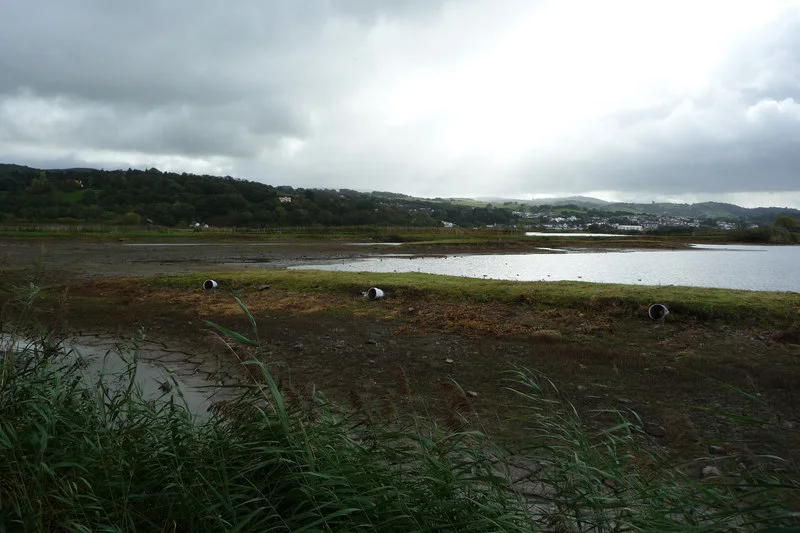
Returning waders are one of July's best reasons to spend time at shallow wetlands. RSPB Conwy explicitly highlights the start of returning passage from mid-July; elsewhere, conditions and exposed feeding areas help determine what is visible. Look carefully along mud and water edges, comparing birds side by side. Some may retain breeding plumage while others are changing, making structure and behaviour particularly valuable. A small mixed group can provide a better lesson than a distant mass of birds.
At RSPB Titchwell Marsh or RSPB Frampton Marsh, choose a sustained watch instead of repeatedly checking every view for a new arrival. Notice how water depth separates feeding methods and which areas are being used after a change in conditions. Tide matters at coastal sites, but managed pools have their own changing water levels. The reserve guide explains the setting; on the day, observe what the birds are actually using rather than assuming last week's productive patch remains the best one.
July heat, wind and tide planning
An early start usually gives a more comfortable combination of temperature and bird activity. Carry enough water, use suitable sun protection and plan a genuine break rather than waiting until everyone is tired. Hides can become warm, while cliffs can remain cool in wind. Pack for both parts of the day if your route includes them. Choose a shorter public circuit when heat makes exposed walking uncomfortable, and leave unnecessary equipment behind if carrying it would reduce your attention to the route.
At the coast, combine tide advice with weather and the operator's access rules. More daylight does not make tidal ground safer, and a pleasant beach can still hold birds needing space to rest or breed. Keep clear of marked nesting areas and follow dog restrictions. On island trips, listen to the operator about sea conditions rather than judging the crossing from the shelter of the departure point. A decision to cancel is a travel outcome to plan for, not a challenge to find another informal boat.
A suggested July weekend in North Norfolk
Use the North Norfolk weekend for a transition-season break, with Titchwell as the anchor wetland and a second day chosen for tide and weather. NWT Cley and Salthouse Marshes offers another reserve guide to compare before fixing the route. Early starts can leave afternoons free for a slower meal, notes or a return to the most productive view. Our preference is one base and two different observation goals: waterbird families on one day, careful wader comparison on the other.
Avoid treating every coastal report as a reason to abandon the plan. A bird may have moved before you arrive, while the unfamiliar common bird beside you offers immediate learning. If heat or glare makes identification difficult, take a break and return in better light. A July weekend works well when the timetable contains empty space. That allows an interesting feeding sequence, a changing tide or an ordinary flock to become the part of the trip you remember most clearly.
Responsible watching around fledglings and resting birds
Keep enough distance that adults can continue their normal feeding routes. A young bird beside a path may have parents waiting nearby, and prolonged attention can interrupt their return. Move past calmly and give the area room. At colonies, stay on authorised paths around burrows and nesting ledges. Follow biosecurity advice and never handle feathers, eggs or birds as souvenirs. The fact that the breeding season is advancing does not make the remaining nests or dependent young less vulnerable.
For a July exercise, choose a small wader group and describe five differences without naming the birds immediately. Compare body shape, bill length, leg proportions, feeding action and the way each bird stands at rest. Then use a field guide to test the identification. This approach is more reliable than beginning with a hoped-for rarity. Record what you could not see clearly, and keep exact sensitive locations out of public reports when operator guidance asks for discretion.
Where to go birdwatching in England in July
RSPB Titchwell Marsh
Titchwell is our English choice for July's transition from breeding activity to passage interest. Give shallow margins a careful look and compare birds directly when they stand together. A visit can also include familiar wetland families and coastal views, but avoid rushing between them. Read the guide for current practical arrangements and use the actual water and light conditions to choose where the longest watch belongs.
RSPB Frampton Marsh
Frampton Marsh suits a July day focused on waders and the relationship between mud, shallow water and vegetation. Start with broad scans before concentrating on the smallest unfamiliar shape. Our advice is to spend time describing structure and feeding method rather than repeatedly consulting a list of recent reports. The open setting needs sensible sun and wind planning, with the guide helping you choose a manageable route.
RSPB Bempton Cliffs
Bempton remains a possible July seabird choice, but the exact date matters if Puffins are your main interest. Use the operator's narrower seasonal advice for that species and keep the colony's wider activity central to the visit. Watch from managed positions and allow departing birds to mark a change in the season. A mainland cliff day is worthwhile without pretending the same colony scene persists unchanged throughout summer.
Where to go birdwatching in Scotland in July
RSPB Fowlsheugh
Fowlsheugh offers a Scottish mainland seabird option for July, with activity changing as the breeding season progresses. Choose suitable weather, follow the public route and watch the colony as a connected scene rather than a collection of close-up targets. Our preference is to compare flight and ledge behaviour over a sustained period. Consult the reserve guide for seasonal and terrain detail before building a wider coastal journey around it.
Isle of May National Nature Reserve
The Isle of May suits a July island trip when current operator arrangements and the species you want align. Check the guide before booking and leave flexibility around sea conditions. Once on the island, follow the route briefing carefully and avoid lingering where birds need to cross. The experience can include a changing colony, so let the whole habitat and its ordinary activity matter alongside any hoped-for Puffin view.
RSPB Loch of Strathbeg
Loch of Strathbeg is a wetland alternative when you want to compare summer waterbirds and the changing season away from a cliff. Work the official viewpoints slowly and notice how different parts of the landscape are being used. Our recommendation is to choose one broad observation question, such as feeding methods or family behaviour. The guide provides the practical foundation for a day that can adapt to the actual conditions.
Where to go birdwatching in Wales in July
RSPB Conwy
Conwy is our Welsh first choice for July's developing wader interest, with the operator highlighting returning passage from the middle of the month. Use tide context and the lagoon views together, and compare birds before trying to identify them from colour alone. Keep a useful view long enough for behaviour to help. The guide holds practical access details, letting this monthly plan concentrate on why the changing season is worth watching.
RSPB Newport Wetlands
Newport Wetlands offers a July reedbed day where listening, open-water observation and smaller family groups can share the interest. Song may be less continuous than earlier in spring, so use contact calls and visible movement as clues. Our suggestion is an early circuit with several quiet pauses, followed by a break before heat builds. Stay on public routes and give birds feeding young enough space to continue naturally.
RSPB South Stack
South Stack provides a Welsh mainland coastal option when the July forecast supports comfortable watching. Read the guide for seasonal expectations and watch the wider seabird scene from official public places. The colony will not look exactly as it did earlier in the year, which is part of the interest. Keep an alternative for poor visibility or strong wind rather than making the entire holiday depend on one exposed viewpoint.
Where to go birdwatching in Northern Ireland in July
RSPB Rathlin Island
Rathlin is our Northern Irish July seabird suggestion, with the operator's typical season extending into early August. Confirm the intended year's visitor and ferry arrangements before travel, and remember that individual species may change their activity earlier. Use the managed viewing experience and allow enough time to watch without hurrying back. A mainland weather alternative makes the trip more resilient and avoids pressure to force an unsuitable crossing.
RSPB Portmore Lough
Portmore Lough is a mainland July choice for summer waterbird observation, including the operator's Common Tern interest. Follow movement across the water from the public viewpoint and compare feeding with periods of rest. Our preference is a focused session that leaves dependent young and nesting areas undisturbed. The guide helps with practical planning, while a notebook makes it easier to remember behaviour rather than only the species name.
RSPB Belfast Window on Wildlife
Belfast Window on Wildlife suits a shorter July wetland outing when you want to follow seasonal change through repeat visits. Look for differences in groups and behaviour without assuming every juvenile can be identified immediately. Compare visible features, make cautious notes and enjoy familiar birds in new circumstances. Read the current guide for access arrangements and keep the visit comfortable enough that careful watching remains enjoyable in warm weather.
More reserves to consider in July
Plan your July birdwatching trip
Sources for birdwatching in July
- Confirmed: RSPB: July in nature
- Confirmed: RSPB Conwy: returning passage waders
- Confirmed: RSPB Bempton Cliffs seasonal advice
- Confirmed: RSPB Rathlin Island
- Confirmed: RSPB Portmore Lough
- Confirmed: RSPB Titchwell Marsh operator information
- Confirmed: RSPB Frampton Marsh operator information
- Confirmed: RSPB Fowlsheugh operator information
- Confirmed: Isle of May National Nature Reserve operator information
- Confirmed: RSPB Loch of Strathbeg operator information
- Confirmed: RSPB Newport Wetlands operator information
- Confirmed: RSPB South Stack operator information
- Confirmed: RSPB Rathlin Island operator information
- Confirmed: RSPB Belfast Window on Wildlife operator information
- Confirmed: Skomer Island operator information
- Confirmed: NWT Cley and Salthouse Marshes operator information