
EN 10 · RSPB reserve guide
RSPB Titchwell Marsh
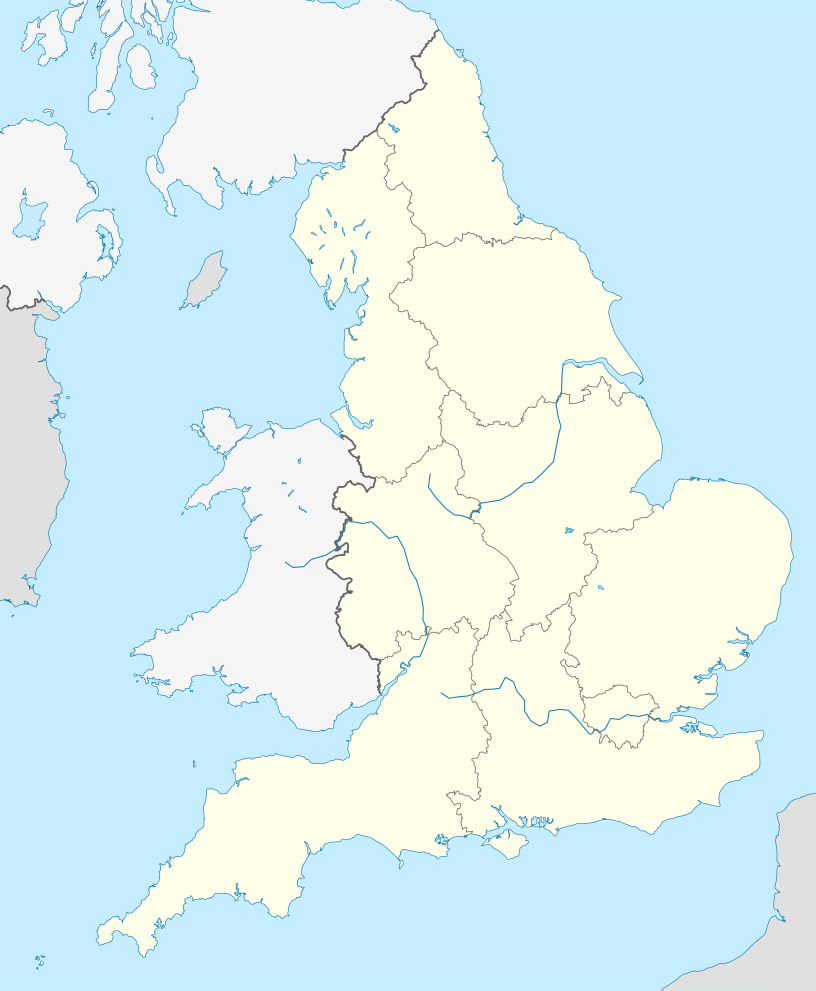
Titchwell, north Norfolk, England · PE31 8BB
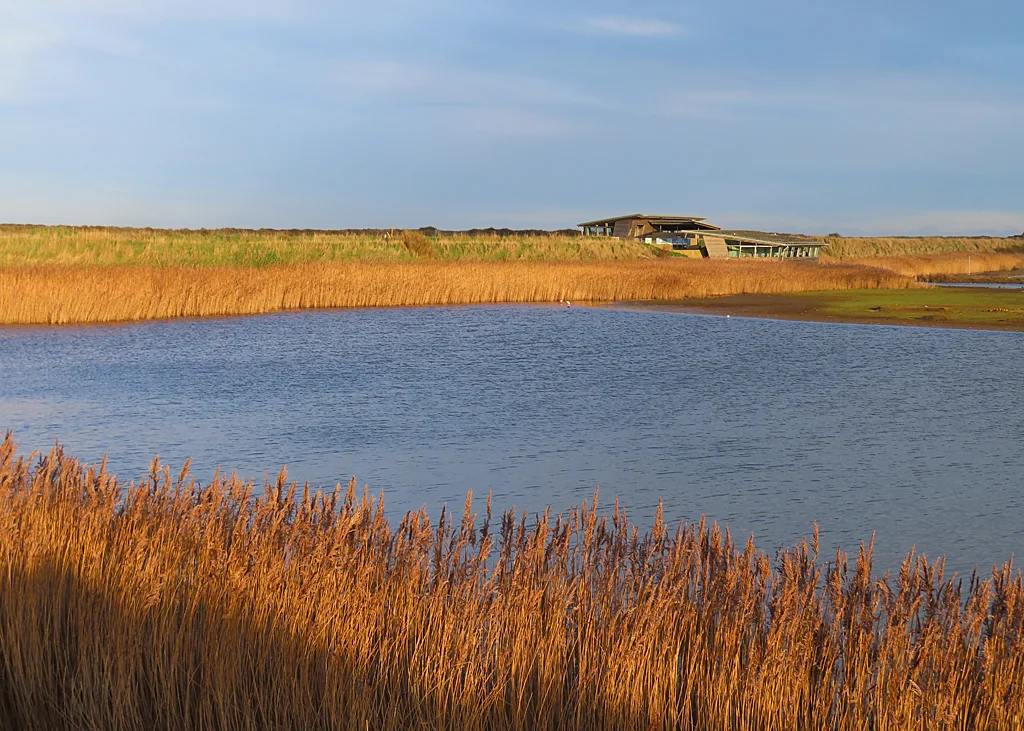
Avocets, Bearded Tits and Marsh Harriers breed among a rare sequence of reedbed and freshwater and saltwater lagoons; migration can bring Ruff, sandpipers, Spoonbills and scarce coastal visitors.
Decide if the visit fits.
RSPB Titchwell Marsh at a glance
Last checked 9 October 2026.
- Best time
- Spring & autumn migration · rewarding year-round
- Opening & entry
- Hours, admission and parking: see Entry below.
- Trails & visit length
- The West Bank Path connects the visitor centre with the beach in 1.2 kilometres each way, passing reedbed, freshwater lagoon and saltwater habitats.
- Accessibility
- Most routes are flat and use boardwalk, rolled sand or gravel with regular passing places.
- Facilities
- The café offers hot and cold snacks, cakes, ice creams and drinks, with a covered eating area.
- Dogs
- Dogs on leads may use West Bank Path and the beach, and are welcome in the visitor hub and shop.
- Public transport
- Lynx Coastliner 36 is the direct bus option, running between King's Lynn, Hunstanton, Wells-next-the-Sea and Fakenham.
Reserve overview
RSPB Titchwell Marsh reserve and habitat
Avocets, Bearded Tits and Marsh Harriers breed among a rare sequence of reedbed and freshwater and saltwater lagoons; migration can bring Ruff, sandpipers, Spoonbills and scarce coastal visitors.
Eight checks for a smoother visit.
Planning your visit to Titchwell Marsh
Conditions change: check the operator and transport notices before travelling.
Titchwell Marsh best time to visit and seasonal birds
January: Wigeon, Teal and other winter ducks usually fill the freshwater lagoon. Start at Island Hide and South Parrinder, then scan from the beach for sea ducks, divers and grebes in daylight. Sheltered hides make patient identification easier when the north coast is cold and windy. February: Winter wildfowl remain worth a morning watch, while Marsh Harriers may be seen over the reedbed. Fen Hide and Patsy's Reedbed offer a quieter contrast to the open lagoon. Use the beach at a useful tide for feeding waders, keeping plenty of distance from flocks. March: Avocets typically return to breeding activity and winter birds overlap with spring arrivals. South Parrinder gives a broad freshwater view; pause at Island Hide for nearer birds. Early morning on Fen Trail adds reedbed listening before the exposed West Bank walk. April: Avocets and Marsh Harriers usually become more conspicuous as the breeding season develops. Watch displays from the lagoon hides and reedbed viewpoints rather than approaching birds. Begin early for song, then use the West Bank Path to compare freshwater and saltwater habitats. May: Breeding Avocets, Bearded Tits and Marsh Harriers are central seasonal targets. Give Fen Hide and the reed edges a calm morning watch, then settle at South Parrinder for feeding and nesting activity. A quieter spell often reveals more than repeatedly moving between every viewpoint. June: Broods usually become an increasing part of the lagoon scene. Island Hide and the Parrinder hides help separate young birds from their parents, while Patsy's Reedbed may hold duck families. Early morning favours song; warmer daytime walks add dragonflies around the short woodland and meadow routes. July: Breeding families and early returning waders can overlap. Scan freshwater margins from South Parrinder in the morning and compare the saltwater side from North Parrinder. A later beach visit provides a different feeding area, but avoid compressing every habitat into a hurried circuit. August: Autumn passage usually gathers pace, with Ruff and sandpipers among the birds to search for. Start at the freshwater lagoon and spend time examining smaller waders from the hides. Spoonbills can be an added attraction; individual reports do not make their presence certain for a later visit. September: Passage waders and growing wildfowl numbers usually make both Parrinder views rewarding. Visit in the morning for a sustained lagoon scan, then the beach when the tide offers feeding edges. Bearded Tits may become easier to notice on calm reedbed watches than on windy days. October: The freshwater lagoon typically becomes increasingly winter-like, while migration still changes the mix. Begin at Island and South Parrinder, then scan Patsy's Reedbed for ducks and raptors. A beach watch in good daylight can add sea birds without relying on a late return. November: Winter duck flocks and coastal waders usually make a slower visit worthwhile. Use South Parrinder for freshwater birds and North Parrinder for the saltwater contrast. The beach offers another chance for divers and grebes; a telescope helps with distant birds beyond the surf. December: Plan around short daylight rather than trying to cover everything. Watch ducks from the lagoon hides in the morning, then choose Fen or the beach according to wind and light. Marsh Harriers are a useful reedbed target, and a quiet pause can reveal birds missed on the outward walk. Dated sightings: the official reserve and linked social pages were checked on 9 October 2026. Use the operator's dated reports for recent birds; this monthly account describes typical seasonal opportunities rather than guaranteeing a particular rarity.
RSPB Titchwell Marsh opening times, entry and facilities
Ordinary visits do not need advance booking; pay at the visitor centre. Current non-member admission is £8 for an adult, £4 for a child and £6 for a student with a valid NUS card. RSPB members, ages 16–24, under-fives, the first child and carers enter free. The published charges are for reserve admission; contact the reserve if you need a separate parking tariff. The October calendar lists the reserve and car park open 24 hours. Visitor centre, shop and café are 09:30–16:30, and toilets 09:00–17:00. The facilities page states that the toilets close on Christmas Day and Boxing Day. No overnight parking or camping is allowed, despite the car park's round-the-clock opening. For a dawn visit carry what you need before the staffed buildings open and leave the longer exposed section until there is enough light.
Titchwell Marsh trails, hides and visit length
The West Bank Path connects the visitor centre with the beach in 1.2 kilometres each way, passing reedbed, freshwater lagoon and saltwater habitats. Island, South Parrinder and North Parrinder hides let you compare the lagoon views. Fen Hide lies on the short Fen Trail, and Patsy's Reedbed screen provides another viewpoint away from the main line of walking. Fen Trail is about 200 metres; the Meadow boardwalk loop is about 100 metres. The East Trail adds quieter pool views. Two-hour plan: start with Island Hide, then choose a Parrinder hide for a longer watch. Scan the reedbed beside West Bank as you go and return without insisting on reaching the beach. This uses the reserve's main strength: several habitats close together, with time to learn the birds rather than simply walking past them. In spring, use a short Fen or Patsy's stop instead of chasing every lagoon viewpoint. Full-day plan: take West Bank to the beach in the morning, stopping at both freshwater and saltwater views. Spend a deliberate seawatch in suitable weather, then retrace the path for lunch. Give the afternoon to Fen, Meadow and the East Trail, finishing with a second lagoon watch to compare the birds and light. A full beach return is about 2.4 kilometres before the side trails and hide detours. Keep to paths and viewpoints: the apparent openness of the marsh does not make the islands or nesting edges walking routes. These are editorial self-led plans, with the order chosen to suit the day's birds and light.
Titchwell Marsh accessibility and step-free routes
Most routes are flat and use boardwalk, rolled sand or gravel with regular passing places. Both Parrinder hides are level and spacious, with accessible viewing positions. Other viewpoints use ramps or slopes and provide a range of window heights. This is a strong reserve for a shorter accessible lagoon visit, but the final beach approach is a different surface from the main path. Near the sea defence bank there is a short steep slope. Beyond it the route becomes very rough, with a steep rough dirt track towards the dunes. Some East Trail sections also have loose surfaces. Choose the turn-around point according to the chair, scooter or pushchair rather than assuming the beach itself is equally easy to reach. The visitor centre is about 120 metres from the car park, with shallow sloped approaches and light manual doors without a threshold. The café has step-free double-door entry. Eight Blue Badge bays have a bonded-gravel surface, and accessible toilets are in the car park block. The car park is unlit and has no formal drop-off point. Accessible picnic seating is provided in the courtyard and between the car park and centre.
Titchwell Marsh visitor facilities
The café offers hot and cold snacks, cakes, ice creams and drinks, with a covered eating area. Bring a picnic if you want a longer beach watch rather than repeatedly returning for refreshments. The shop sells optics, books and nature gifts; binoculars and a telescope can be hired. Picnic tables and benches give places to rest across the visitor area. The toilet block includes baby changing. Bicycle racks are provided, and the reserve runs bookable guided walks and events.
Titchwell Marsh dog rules
Dogs on leads may use West Bank Path and the beach, and are welcome in the visitor hub and shop. Fen, East, Meadow and Autumn trails are for assistance dogs only. Keep dogs on leads throughout, including beside feeding shorebirds on the beach. Waste bins are in the car park and at the top of West Bank Path.
Titchwell Marsh public transport and getting there
Lynx Coastliner 36 is the direct bus option, running between King's Lynn, Hunstanton, Wells-next-the-Sea and Fakenham. It serves the RSPB Titchwell Marsh stop immediately outside the entrance on the A149. The current daytime pattern through this coastal section is broadly hourly, including published Sunday journeys, rather than the much more frequent combined services nearer King's Lynn. Routes 34 and 35 do not provide the equivalent through ride to Titchwell. For a rail arrival use King's Lynn station, then walk to the bus station or Transport Interchange for the 36. Hunstanton, Brancaster and nearby coast villages also offer a useful bus approach. Leave time to reach the correct direction's roadside stop for the return rather than finishing a beach watch at the bus departure time. National Cycle Route 1 passes within about two miles and the reserve supplies cycle racks. Arriving by car, follow the signed entrance off the A149 between Thornham and Titchwell. The measured town-to-reserve journeys below are driving estimates, distinct from the longer all-stops bus ride.
Useful bases for an early start.
Where to stay near Titchwell Marsh
Booking.com links are affiliate links: we may earn a commission at no extra cost to you. How these links work.
- 01
Titchwell
About 0.7 miles by road, roughly 5 minutes’ drive from Titchwell to the visitor arrival point. Check the final approach to your accommodation in Titchwell.
Measured driving route · 2026-10-09. Map estimates exclude live traffic.
Choose Titchwell for the earliest start; current Visit Norfolk listings include Briarfields Hotel in Titchwell and coastal self-catering around Brancaster.Find places to stay in Titchwell on Booking.com - 02
Brancaster
About 1.5 miles by road, roughly 5 minutes’ drive from Brancaster to the visitor arrival point. Check the final approach to your accommodation in Brancaster.
Measured driving route · 2026-10-09. Map estimates exclude live traffic.
Choose Brancaster for the earliest start; current Visit Norfolk listings include Briarfields Hotel in Titchwell and coastal self-catering around Brancaster.Find places to stay in Brancaster on Booking.com - 03
Hunstanton
About 5.5 miles by road, roughly 10 minutes’ drive from Hunstanton to the visitor arrival point. Check the final approach to your accommodation in Hunstanton.
Measured driving route · 2026-10-09. Map estimates exclude live traffic.
Best for seaside facilities and a broader choice of hotels and guesthouses, including current Visit Norfolk listings around Old Hunstanton.Find places to stay in Hunstanton on Booking.com - 04
King's Lynn
About 21.5 miles by road, roughly 30 minutes’ drive from King's Lynn to the visitor arrival point. Check the final approach to your accommodation in King's Lynn.
Measured driving route · 2026-10-09. Map estimates exclude live traffic.
Best for a car-free break, late rail arrival and combining Titchwell with other west Norfolk destinations.Find places to stay in King's Lynn on Booking.com
Titchwell Marsh official sightings, safety and contact
The reserve can be reached on 01485 210779 or titchwell@rspb.org.uk. The visitor address is Titchwell Marsh, Main Road, King's Lynn, Norfolk, PE31 8BB; the entrance is on the A149 rather than in King's Lynn itself. Use the official facilities and access guides when choosing a route for mobility needs. The RSPB reserve page links its social updates and events, while the live calendar separates unrestricted trail access from staffed facilities.
Best months for this reserve
Nearby complete guides.
Bird reserves near Titchwell Marsh
Stops with a purpose: use one as a contrasting habitat or weather-proof Plan B. Distances are straight-line estimates, not road journeys.
- About 9 miles away · A useful habitat changeHolkham National Nature ReserveWinter wildfowl · spring breeding birds · autumn migration
- About 9 miles away · A useful habitat changeRSPB SnettishamLate summer–winter
- About 15 miles away · A familiar habitatGibraltar Point National Nature ReserveSpring seabirds · autumn migration · winter coast