
Collections · Practical UK birdwatching
UK seabird spectacles: choose your coast
Compare mainland cliffs, island landings and cruises, then choose a seabird trip that fits your season, walking and weather window.
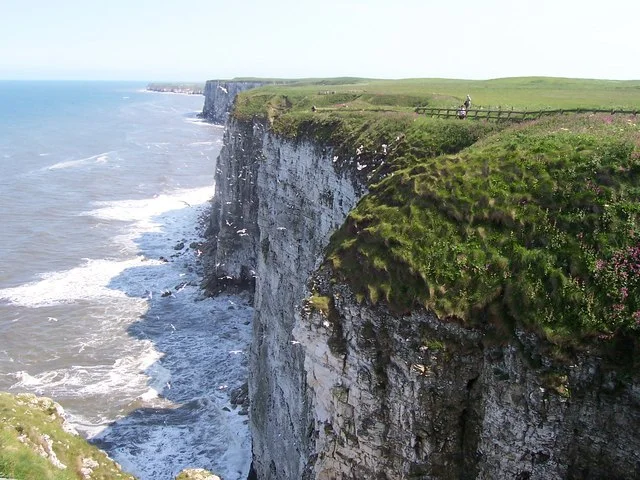
Where to see seabirds in the UK
Choose a mainland cliff for a straightforward first seabird day, an island landing for time inside a managed colony, or a cruise for birds seen from the water. Our choice for a first mainland visit is RSPB Bempton Cliffs; for an island holiday, start by comparing Skomer Island with Isle of May National Nature Reserve. The most useful distinction is the experience you want, followed by the season and the journey you can manage.
A photograph of a Puffin beside a path can suggest that every colony offers that view. In practice, a distant ledge, a moving boat and a grassy island path are very different places to watch. Think about walking confidence, comfort at sea, available holiday days and the needs of everyone travelling. A shorter mainland watch can be a better choice than an ambitious landing that leaves someone exhausted before the birds appear.
When is the best time for UK seabirds?
Breeding colonies are typically busiest through spring and early summer, with each species keeping its own timetable. May and June usually give the broadest choice of colony experiences, while late summer increasingly favours migration and seawatching. Begin with the species you most want to understand. A Gannet day and a Puffin day need not have the same ideal dates, even when the birds share a stretch of coast.
Build a boat holiday around more than one possible sailing day. Strong wind and swell can prevent a landing in the middle of the breeding season. Keep an interesting mainland walk available and leave space between an island excursion and a long journey home. Later in summer, investigate what the operator says is still present ashore before booking specifically for breeding seabirds. The reserve guides hold local season, booking and landing details.
Mainland cliffs: our choice for flexibility
RSPB Bempton Cliffs and Flamborough Head and Flamborough Bird Observatory make a useful Yorkshire comparison: begin with organised colony viewing, then consider the wider headland if time and weather allow. Wales offers RSPB South Stack, where the appeal combines seabird watching with a dramatic coastal setting. Choose a single manageable section of path, keep back from edges and spend enough time for activity on the ledges to become intelligible.
For Scottish mainland choices compare RSPB Fowlsheugh, RSPB Troup Head, St Abbs Head National Nature Reserve, Mull of Galloway and RSPB Dunnet Head. The decision is geographical as much as ornithological: a colony near your existing route gives you scope to return when the light improves. At a distant cliff, binoculars introduce the scene, while a telescope helps you separate individual birds without moving towards an unsafe edge.
Island landings: choose the walking and boat together
Skomer Island, Farne Islands and Isle of May National Nature Reserve are the starting shortlist for many visitors comparing managed island trips. Read the boat and landing arrangements as a single plan. The sailing, step ashore, path surface and return assembly all need to suit the party. An island circuit should leave time to sit quietly and watch rather than turning into a race from one photograph to the next.
Further west, compare Handa Island and Lunga and the Treshnish Isles with the trip shape you actually want. RSPB Rathlin Island adds a ferry journey and onward island travel, so it deserves a proper day rather than a hurried mainland detour. RSPB Ramsey Island suits a Pembrokeshire plan with its own landscape and wildlife interests. Consult each guide before assuming that one island offers the same close views, facilities or walking conditions as another.
Scottish island seabirds without rushing the journey
For a northern holiday, explore RSPB Sumburgh Head, RSPB Marwick Head, RSPB Hoy and RSPB Noup Cliffs. Their names belong on an island itinerary with transport and spare time already allowed for. Arriving on the right island is only the beginning; the final road, path and daylight window still determine whether a visit is comfortable. Choose fewer colonies and make room for changing wind direction.
Fair Isle Bird Observatory belongs in a properly arranged island stay rather than a hurried excursion. RSPB The Oa gives an Islay coastal option that can sit alongside the island’s winter interests. RSPB Mousa deserves separate planning around its operator-run experience rather than being treated as another daytime cliff stop. Keep the published trip arrangements central and follow local instructions closely. For overnight island experiences compare Bardsey Island and Bird Observatory and Skokholm Island. Staying changes the rhythm of a visit: you can observe one place repeatedly, but accommodation, crossings and any resident activities need arranging through the operator.
Cruises, low islands and coastal alternatives
Bass Rock and Scottish Seabird Centre is especially useful when deciding between watching from a boat and organising a landing experience. Compare the actual trip descriptions and your tolerance for movement at sea. A cruise may give a memorable view of flying birds and colony scale, while leaving less opportunity for a steady telescope view. Keep camera equipment simple enough to handle safely without blocking anyone else.
Brownsea Island and Blakeney Point broaden the collection beyond towering auk cliffs. Read their guides if your interest lies in a different island or coastal setting, and choose the season for the birds you want to study. Portland Bird Observatory and Portland Bill is a further alternative for people who enjoy passage and seawatching. The coast remains interesting after breeding ledges quieten, but the style of watching changes substantially.
How to watch a seabird colony responsibly
Begin with the widest view. Notice where birds are travelling, which parts of the sea hold activity and how the colony fits the cliff. Then choose one small area and watch it for several minutes. This produces a much richer understanding than constantly changing position. Learn a few recognisable flight shapes and compare them with birds settled on a ledge before trying to name every distant silhouette.
Keep every person and tripod within authorised viewing areas. Leave returning birds a clear route, give burrows a wide berth on permitted paths and obey temporary restrictions. Avoid playback, drones and any attempt to make birds fly for a picture. If a bird repeatedly hesitates because of your position, create space. A smaller bird in a broader scene can show the place more honestly than an intrusive close-up.
Turn a seabird day into a workable trip
Our recommendation is to book a base for the wider coast, then fit the colony into its strongest available weather window. In Yorkshire, a mainland plan gives more flexibility than an itinerary dependent on a single boat. In Pembrokeshire, keeping reserve alternatives handy makes a cancelled crossing less disruptive. Around Scottish islands, a spare day also protects onward travel and gives you time to enjoy the island beyond its headline colony.
Choose your next page by the decision still unresolved. Use the Puffin guide to compare likely seasonal experiences, the sea-cliff habitat guide to improve your watching, and a regional trip for the broader holiday. Pack warm layers even for a summer visit: standing at an exposed viewpoint feels different from walking inland. Finish with enough energy for the return journey, and keep notes on behaviour as well as names.
Northern cliffs and western islands
Hermaness National Nature Reserve and Noss National Nature Reserve bring substantial Shetland cliff scenery, with public paths and seasonal access deciding the visit. Noss is closed for the winter at the October 2026 review: plan its crossing only when NatureScot confirms reopening. St Kilda needs a verified operator and favourable sea conditions; the guide explains the current Harris departures and landing restrictions.
Lundy offers a separately booked MS Oldenburg visit or an island stay. Isle of Rum National Nature Reserve adds Manx Shearwater interest from the sea and suitable public shore viewpoints. For either island, the crossing and the permitted viewing route matter more than trying to reproduce a colony photograph.
Reserve guides for this visit
Sources and review
- Confirmed: Skomer Island — operator visitor guidance
- Confirmed: Farne Islands — operator visitor guidance
- Confirmed: Bass Rock and Scottish Seabird Centre — operator visitor guidance
- Confirmed: RSPB Bempton Cliffs — operator visitor guidance
- Confirmed: RSPB Rathlin Island — operator visitor guidance
- Confirmed: RSPB South Stack — operator visitor guidance
- Confirmed: Isle of May National Nature Reserve — operator visitor guidance
- Confirmed: RSPB Fowlsheugh — operator visitor guidance
- Confirmed: Mull of Galloway — operator visitor guidance
- Confirmed: Portland Bird Observatory and Portland Bill — operator visitor guidance
- Confirmed: Flamborough Head and Flamborough Bird Observatory — operator visitor guidance
- Confirmed: Brownsea Island — operator visitor guidance
- Confirmed: Blakeney Point — operator visitor guidance
- Confirmed: RSPB Sumburgh Head — operator visitor guidance
- Confirmed: RSPB Troup Head — operator visitor guidance
- Confirmed: RSPB Marwick Head — operator visitor guidance
- Confirmed: St Abbs Head National Nature Reserve — operator visitor guidance
- Confirmed: Handa Island — operator visitor guidance
- Confirmed: RSPB Dunnet Head — operator visitor guidance
- Confirmed: Lunga and the Treshnish Isles — operator visitor guidance
- Confirmed: RSPB Hoy — operator visitor guidance
- Confirmed: RSPB Noup Cliffs — operator visitor guidance
- Confirmed: Bardsey Island and Bird Observatory — operator visitor guidance
- Confirmed: Skokholm Island — operator visitor guidance
- Confirmed: RSPB Mousa — operator visitor guidance
- Confirmed: RSPB Ramsey Island — operator visitor guidance
- Confirmed: Fair Isle Bird Observatory — operator visitor guidance
- Confirmed: RSPB The Oa — operator visitor guidance
- Confirmed: Hermaness National Nature Reserve visitor arrangements
- Confirmed: Noss National Nature Reserve visitor arrangements
- Confirmed: St Kilda visitor arrangements
- Confirmed: Lundy visitor arrangements
- Confirmed: Isle of Rum National Nature Reserve visitor arrangements