
Responsible wildlife guide
Where to see divers and sea ducks in the UK
Choose a sheltered public coastal viewpoint and a day when you can see the water clearly. Winter is the broadest starting point for divers and sea ducks, although Eiders and some other species occur throughout the year. Our choice for a first session is a comfortable shore watch with a scope and a manageable patch of sea.
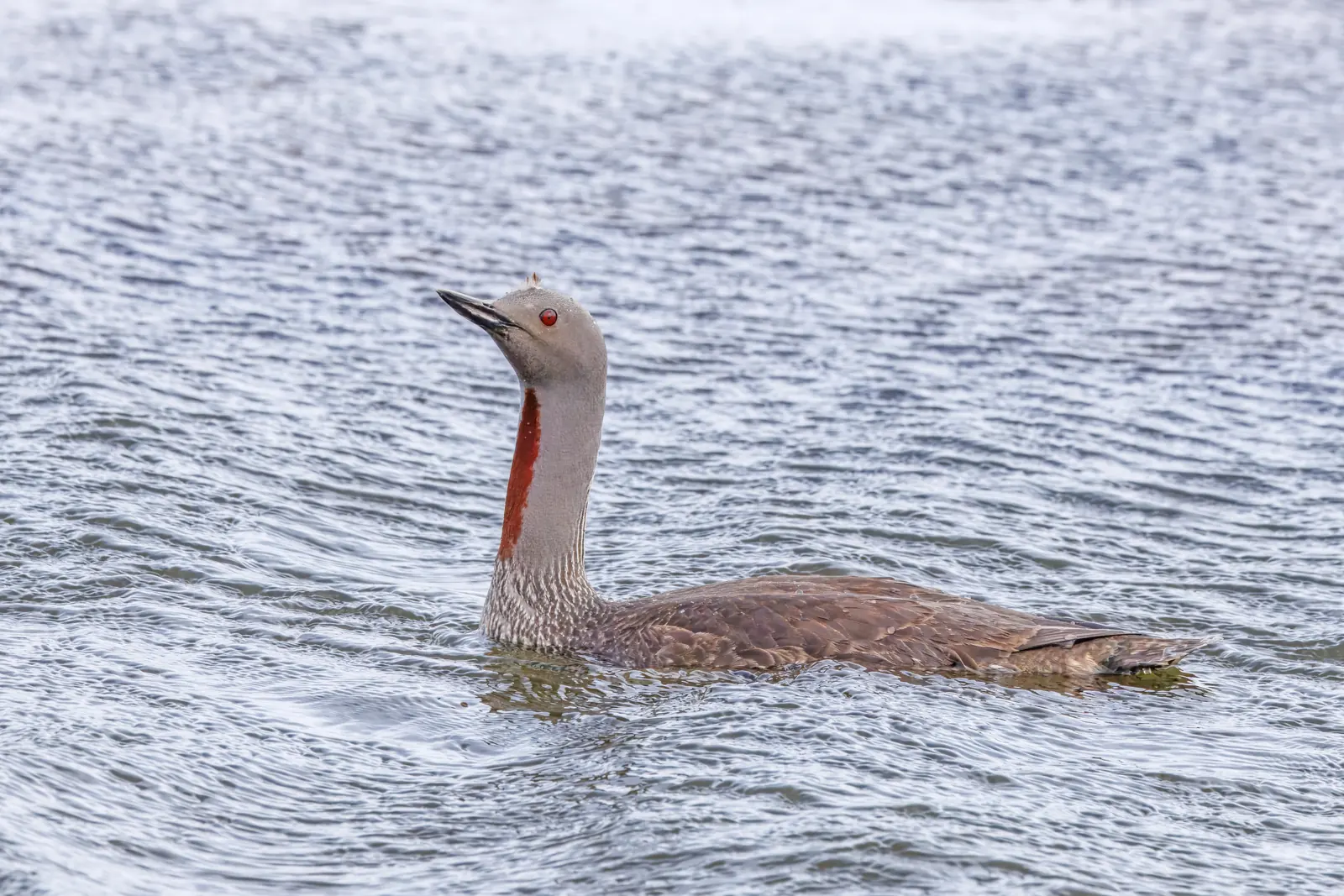
When is the best time to watch divers and sea ducks?
Start by choosing which experience appeals: identifying birds sitting on sheltered water, scanning offshore flocks, or watching passage from a coastal viewpoint. Winter combines several possibilities, but a calm day can matter more to a beginner than being at a famous headland during strong winds. Our preference is a forecast that permits a steady view through binoculars or a scope, with somewhere to shelter and another habitat nearby if the sea becomes difficult to read.
Great Northern Divers typically arrive during October and November, according to BTO, and begin returning towards breeding grounds in April. Long-tailed Ducks also start arriving in October, with northern Scotland a particularly important winter area. These broad patterns help choose the holiday season. Use the individual reserve’s target months to refine the destination, leaving room to change the day if mist, glare or rough water removes the useful view. Late autumn and midwinter can feel very different even at the same place.
Where to see divers around the UK coast
Red-throated Divers have a broad winter coastal distribution, with many birds along the North Sea coast. Great Northern Divers are particularly associated with northern and western waters, including sheltered Scottish sea lochs and the Northern Isles. Black-throated Divers winter in smaller numbers around coastal waters. Choose a guide that names a public sea-viewing place and supports the species locally; the national distribution helps narrow the region, while the guide determines whether you can make a worthwhile visit.
For a first trip, compare the distance to the water, shelter, parking or public transport, and the amount of walking your party wants. A modest sheltered bay may teach more than a vast exposed sea view where every bird is a speck. If you travel to Scotland, allow weather alternatives within the same area. The presence of breeding divers in the country does not justify searching remote freshwater lochs: coastal winter watching offers an appropriate way to enjoy them without seeking nesting places.
How to identify divers in winter
Begin with the whole bird: body size, head shape, bill angle, posture and how it sits on the water. Winter plumage is less striking than the summer illustrations that often attract people to divers. Take several views and compare birds under the same light rather than judging a distant individual against a photograph on a bright phone screen. BTO’s winter-diver identification resources are a useful preparation before the trip, especially when the encounter may be brief.
Keep a nearby fixed landmark in mind so you can find the bird again after it dives. Describe the distance and direction for companions using that landmark, then allow them time to locate it before changing magnification. Waves can hide much of a bird and distort its outline. If the features remain insufficient, write down diver species rather than a confident name. A careful unresolved observation is more useful than attaching a scarce identification to a succession of momentary shapes.
Eiders or scoters for a first sea-duck watch?
Eider is our approachable starting point where the guide supports close public shore views. BTO describes it as breeding around northern coasts, with some birds farther south in winter and British birds generally making relatively short movements. Watch feeding and resting behaviour from a settled position, then compare birds within the same group. Keep people and dogs from pushing a resting flock off the shore, and let the birds choose their distance from the public route.
Common Scoters often present a different challenge: offshore birds or flocks requiring patient scanning. BTO notes important moulting gatherings from summer into early autumn, including off eastern Scotland and in Carmarthen Bay, so sea-duck watching is not confined to winter. Choose a published shore viewpoint and a clear forecast rather than assuming the flock will be close. Learn the ordinary flock first. Searching for an unusual individual is more productive after you understand how the common birds look in that light and sea state.
Where do Velvet Scoters and Long-tailed Ducks fit?
Velvet Scoter is primarily a winter and passage bird, with some arriving to moult from late summer. The species’ white wing patches are an important feature, but viewing angle and folded wings can make a resting bird difficult. Compare several features and wait for natural movement rather than trying to make a flock fly. It is sensible to use a reserve with established local records instead of extending a Common Scoter report into an assumption that both species will be present.
Long-tailed Duck is another reason to think regionally. BTO places most UK wintering birds around Shetland, Orkney and north-east Scotland, with smaller numbers farther south. A northern coastal holiday can therefore offer an appropriate setting, but the birds may be offshore. Read the guide’s viewing advice and plan something else nearby for a poor-visibility day. Choose the area because its whole winter landscape interests you; a mobile offshore species is an uncertain basis for an otherwise inflexible itinerary.
What conditions and equipment help with a seawatch?
A steady tripod and a scope can transform a distant water watch, but magnification helps only when the image remains usable. Start low, locate the birds, then increase power if the view improves. Binoculars are valuable for finding movement and following flying birds. Our priority would be warm layers, a windproof outer layer and a stable sheltered position before buying more magnification. If you cannot keep still comfortably, the extra optical detail will be difficult to use.
Check tide predictions for the locality and the forecast for the whole visit, including the return walk. Tide state can change feeding areas and access, but a prediction does not establish the safety of a beach, landing or cliff route. Follow the reserve’s particular guidance rather than adopting a universal best tide. Avoid setting a tripod where it obstructs a narrow path, and choose a location well away from breaking waves. Move to an inland wetland or sheltered hide if the coast becomes uncomfortable.
How to make a coastal birding day work
Divide the watch into small areas of water and scan them deliberately, with pauses to rest your eyes. When something disappears, return to its last known area before sweeping the entire horizon again. Keep notes on conditions, distance, features and confidence. This helps explain why the same site feels easy one day and frustrating the next, and makes a later conversation with an experienced observer more useful than simply asking whether an unlikely bird could have been there.
Combine the shore session with a reserve offering another habitat and facilities that suit your group. The linked guides carry current route and access details; check those before committing to a long exposed walk. End while the observation is still enjoyable, especially with children or companions new to scopes. A clear comparison of two familiar birds, watched without disturbance, can be a better introduction than hours of cold scanning for a distant speciality. Return in another season to learn what changes.
Where to see divers and sea ducks by month
The months below come from each reserve’s local birding guide. They describe typical presence or a preferred watching season; national occurrence can be broader. Reports show past observations and cannot promise an encounter. Sensitive birds have no published watching position.
| Species | Reserve guide | Typical or preferred months |
|---|---|---|
| Eider | Bass Rock and Scottish Seabird Centre | January, February, March, April, May, June, July, August, September, October, November, December |
| Long-tailed Duck | Bass Rock and Scottish Seabird Centre | January, February, March, November, December |
| Eider | Farne Islands | January, February, March, April, May, June, July, August, September, October, November, December |
| Common Scoter | Farne Islands | January, February, March, April, July, August, September, October, November, December |
| Common Scoter | Skomer Island | May, June, July, August, September, October |
| Common Scoter | RSPB Minsmere | January, February, March, October, November, December |
| Red-throated Diver | RSPB Minsmere | January, February, March, October, November, December |
| Eider | RSPB Rathlin Island | January, February, March, April, May, June, July, August, September, October, November, December |
| Eider | WWT Castle Espie | January, February, March, April, May, June, July, August, September, October, November, December |
| Common Scoter | RSPB Titchwell Marsh | January, February, March, April, May, June, July, August, September, October, November, December |
| Long-tailed Duck | RSPB Titchwell Marsh | January, February, March, October, November, December |
| Red-throated Diver | RSPB Titchwell Marsh | January, February, March, October, November, December |
| Eider | Montrose Basin | January, February, March, April, May, June, July, August, September, October, November, December |
| Red-throated Diver | RSPB Forsinard Flows | April, May, June, July, August |
| Black-throated Diver | RSPB Forsinard Flows | April, May, June, July, August |
| Common Scoter | RSPB Forsinard Flows | April, May, June, July, August |
| Great Northern Diver | RSPB Arne | November, December, January, February |
| Common Scoter | NWT Cley and Salthouse Marshes | January, February, March, September, October, November, December |
| Red-throated Diver | NWT Cley and Salthouse Marshes | January, February, March, October, November, December |
| Great Northern Diver | Rutland Water Nature Reserve | November, December, January, February |
| Eider | Isle of May National Nature Reserve | April, May, June, July |
| Common Scoter | Isle of May National Nature Reserve | June, July, August, September |
| Red-throated Diver | Spurn National Nature Reserve | January, February, March, October, November, December |
| Common Scoter | Spurn National Nature Reserve | January, February, March, September, October, November, December |
| Eider | Lindisfarne National Nature Reserve | January, February, March, April, May, June, July, August, September, October, November, December |
| Red-throated Diver | Lindisfarne National Nature Reserve | November, December, January, February, March |
| Eider | Freiston Shore | October, November, December, January, February, March |
| Common Scoter | Flamborough Head and Flamborough Bird Observatory | January, February, March, April, September, October, November, December |
| Eider | Flamborough Head and Flamborough Bird Observatory | January, February, March, April, September, October, November, December |
| Red-throated Diver | Flamborough Head and Flamborough Bird Observatory | January, February, March, April, September, October, November, December |
| Red-throated Diver | Handa Island | May, June, July |
| Common Scoter | Hilbre Island and Bird Observatory | January, February, March, April, September, October, November, December |
| Red-throated Diver | Hilbre Island and Bird Observatory | January, February, March, April, October, November, December |
| Eider | South Walney Nature Reserve and Observatory | January, February, March, April, May, June, July, August, September, October, November, December |
| Eider | Lymington–Keyhaven Marshes Nature Reserve | November, December, January, February, March |
| Eider | RSPB Hodbarrow | April, May, June, July, August |
| Common Scoter | RSPB Culbin Sands | October, November, December, January, February, March |
| Long-tailed Duck | RSPB Culbin Sands | October, November, December, January, February, March |
| Velvet Scoter | RSPB Culbin Sands | October, November, December, January, February, March |
| Eider | RSPB Culbin Sands | October |
| Eider | Lunga and the Treshnish Isles | June |
| Great Northern Diver | RSPB Coll | January, February, March, April, October, November, December |
| Red-throated Diver | RSPB Hoy | April, May, June, July, August, September |
| Red-throated Diver | RSPB Cottascarth and Rendall Moss | May, June, July, August |
| Red-throated Diver | RSPB Mousa | April, May, June, July, August |
| Eider | North Ronaldsay Bird Observatory | January, February, March, April, May, June, July, August, September, October, November, December |
| Long-tailed Duck | North Ronaldsay Bird Observatory | January, February, March, April, October, November, December |
| Great Northern Diver | North Ronaldsay Bird Observatory | January, February, March, April, May, October, November, December |
| Great Northern Diver | Grafham Water | November, December, January, February, March, April, May |
| Great Northern Diver | Draycote Water | January, February, March, November, December |
| Common Scoter | Aberlady Bay Local Nature Reserve | September, October, November, December, January, February, March |
| Eider | Aberlady Bay Local Nature Reserve | January, February, March, April, May, June, July, August, September, October, November, December |
| Long-tailed Duck | Aberlady Bay Local Nature Reserve | October, November, December, January, February, March |
| Eider | Forvie National Nature Reserve and Ythan Estuary | January, February, March, April, May, June, July, August, September, October, November, December |
| Eider | Findhorn Bay Local Nature Reserve | January, February, March, April, May, June, July, August, September, October, November, December |
| Long-tailed Duck | Findhorn Bay Local Nature Reserve | January, February, March, October, November, December |
| Common Scoter | Findhorn Bay Local Nature Reserve | January, February, March, October, November, December |
| Black-throated Diver | Beinn Eighe National Nature Reserve | April, May, June, July, August, September |
| Red-throated Diver | Beinn Eighe National Nature Reserve | April, May, June, July, August, September |
| Eider | Isle of Rum National Nature Reserve | January, February, March, April, May, June, July, August, September, October, November, December |
| Red-throated Diver | Isle of Rum National Nature Reserve | April, May, June, July, August, September |
| Red-throated Diver | Hermaness National Nature Reserve | April, May, June, July, August |
| Red-throated Diver | RSPB Fetlar | April, May, June, July, August |
| Eider | St Kilda | January, February, March, April, May, June, July, August, September, October, November, December |
Reserve guides for divers and sea ducks
- Bass Rock and Scottish Seabird Centre · Scotland
- Farne Islands · England
- Skomer Island · Wales
- RSPB Minsmere · England
- RSPB Rathlin Island · Northern Ireland
- WWT Castle Espie · Northern Ireland
- RSPB Titchwell Marsh · England
- Montrose Basin · Scotland
- RSPB Forsinard Flows · Scotland
- RSPB Arne · England
- NWT Cley and Salthouse Marshes · England
- Rutland Water Nature Reserve · England
- Isle of May National Nature Reserve · Scotland
- Spurn National Nature Reserve · England
- Lindisfarne National Nature Reserve · England
- Freiston Shore · England
- Flamborough Head and Flamborough Bird Observatory · England
- Handa Island · Scotland
- Hilbre Island and Bird Observatory · England
- South Walney Nature Reserve and Observatory · England
- Lymington–Keyhaven Marshes Nature Reserve · England
- RSPB Hodbarrow · England
- RSPB Culbin Sands · Scotland
- Lunga and the Treshnish Isles · Scotland
- RSPB Coll · Scotland
- RSPB Hoy · Scotland
- RSPB Cottascarth and Rendall Moss · Scotland
- RSPB Mousa · Scotland
- North Ronaldsay Bird Observatory · Scotland
- Grafham Water · England
- Draycote Water · England
- Aberlady Bay Local Nature Reserve · Scotland
- Forvie National Nature Reserve and Ythan Estuary · Scotland
- Findhorn Bay Local Nature Reserve · Scotland
- Beinn Eighe National Nature Reserve · Scotland
- Isle of Rum National Nature Reserve · Scotland
- Hermaness National Nature Reserve · Scotland
- RSPB Fetlar · Scotland
- St Kilda · Scotland
Sources and review
Reviewed 2026-10-19.
- BTO Red-throated Diver distribution and seasonality
- BTO Black-throated Diver coastal winter distribution
- BTO Great Northern Diver arrival and departure
- BTO Eider movements and feeding
- BTO Common Scoter summer moult and winter coast
- BTO Velvet Scoter winter and passage timing
- BTO Long-tailed Duck autumn arrival and northern winter distribution