
Responsible wildlife guide
Where to see terns in the UK
For a first tern watch, choose a reserve with a comfortable public view over feeding water and time to compare several birds. Common Terns offer the widest inland options; a coastal visit opens up the other species, with the destination and season determining which are realistic targets.
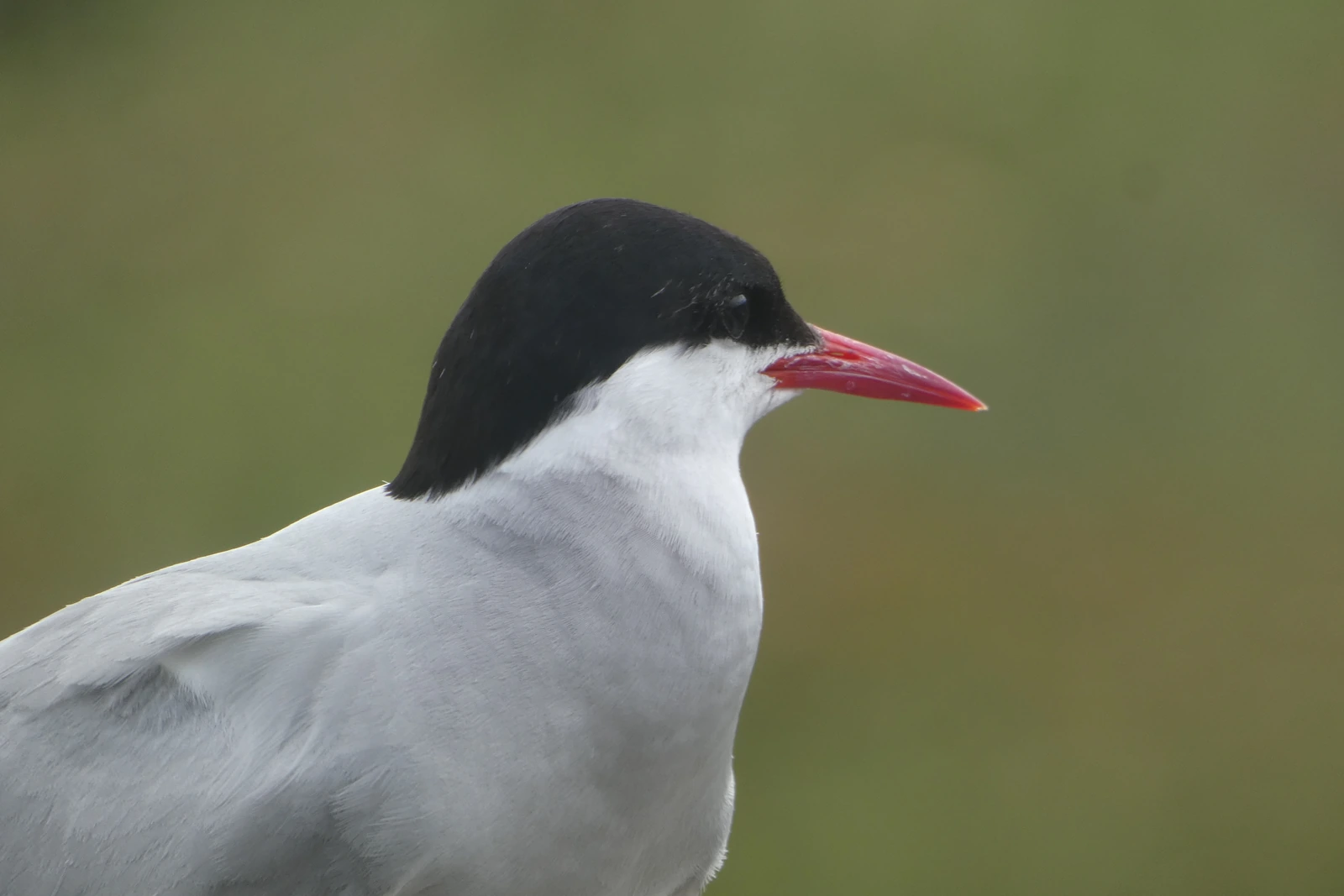
Which tern should you try to see first?
Common Tern is our choice for learning the group. The RSPB identifies it as the tern most frequently found inland, with lakes, reservoirs and gravel pits among its habitats. A nearby wetland can therefore give you repeated practice without a distant coastal journey. Choose a public hide overlooking open water, settle comfortably and follow individual birds through a sequence of hovering, diving and flying on.
Sandwich Tern is a useful coastal comparison because its bill pattern and larger impression can be more distinctive. Arctic Tern takes more care alongside Common Tern, especially during a brief flight view. Little Tern’s small size and quick movement give another character again, while Roseate Tern is a scarcer target that merits a dedicated choice of destination or a well-supported passage report.
Build the first trip around one or two species. Trying to complete all five in a weekend can lead to long transfers and hurried identifications. A good Common Tern watch followed by a coastal session with Sandwich Terns is a satisfying progression. Let the birds present determine what you learn, and keep an unfamiliar bird under observation long enough to see several features before reaching a conclusion.
When is the best time to see terns?
Spring brings arriving migrants and opportunities to compare birds at established public viewing places. BTO describes Common Terns arriving from April, Arctic Terns from April or May, and Little Terns from April or May. Roseate Terns usually arrive from May. Those broad patterns help choose a holiday, but use the individual guide’s target months to plan a particular reserve visit.
May to July is our preferred starting window for a mixed coastal tern watch where the operator lists the relevant species. Cemlyn, for example, identifies Sandwich, Common and Arctic Terns and recommends May through July. Choose the authorised viewing area and follow the wardens’ instructions. A reserve that held birds in a previous summer may change, so read current operator notices before travelling for one protected colony.
Late summer and early autumn shift the emphasis towards feeding groups and passage. The RSPB describes Common Tern gatherings in September and coastal Roseate Tern opportunities as birds leave Coquet Island. Winter is a different proposition: BTO notes small numbers of Sandwich Terns along the south coast. Plan a winter coastal day for its broader wildlife, rather than expecting the variety and activity of a summer tern visit.
Common or Arctic Tern: compare the whole bird
Both species can look pale and elegant with a dark cap and a forked tail, so start with a sustained view. The RSPB points to the Common Tern’s black-tipped bill, darker wing feathers and longer legs among the useful comparisons. These details are easiest when you can watch a bird both resting and flying. Light, age and the viewing angle can complicate any single feature.
Our approach is to compare nearby birds of a similar age instead of relying on one remembered photograph. Follow the body shape, tail projection and wing pattern through several positions, then check the bill when the bird turns. BTO’s Common-and-Arctic identification workshop is a useful preparation resource. Learn the calls at home as another clue, but do not play them beside a colony to provoke a response.
At a distant feeding group, some individuals may remain unidentified. Keep a note of the features that were visible and return to the comparison when a bird gives a better view. Use binoculars for flight and a telescope for resting groups if available. Enlarging a poor image cannot recover a feature that was never visible, and a patient second look is often more useful than a rapid confident label.
How to recognise Sandwich, Little and Roseate Terns
A Sandwich Tern’s dark bill with a yellow tip is a useful adult feature, alongside its dark legs and pale body. Look for the pattern when a bird is resting or turns its head; a fish can obscure part of the bill. Compare the bird with others in the group rather than judging apparent size in isolation. A nearby bird can look much larger simply because it is nearer.
Little Tern is the smallest UK tern. The RSPB describes its relatively short tail, fast flight and yellow bill with a black tip. Choose an official viewpoint where you can watch birds fishing without entering their beach habitat. If the birds are too distant to resolve the details, stay with the feeding behaviour and wait. The correct response to a difficult view is better observation, not crossing a fence.
Roseate Terns can appear strikingly pale, with long tail streamers and a largely dark bill that may show red at the base in breeding adults. The pink tone that gives the species its name can be subtle, so do not make that your only test. Compare the shape, bill and flight with accompanying Common or Arctic Terns, and seek help from an experienced observer when a distant bird remains uncertain.
Where to watch terns from public viewpoints
Cemlyn is our choice for a planned mixed-tern day on Anglesey. Its lagoon setting allows comparison across water, and the Trust gives clear instructions for the breeding season. Use the Cemlyn guide to choose the appropriate approach and understand the difficult shingle surfaces before setting off. Stay within the permitted viewing arrangements even when another angle appears to offer a closer photograph.
For Common Terns, start with the linked inland guides where the species is an established target. A hide facing a lake or wetland pool lets you practise without a sea crossing. Check whether the current route and facility are open: an old description of a familiar reserve can remain online after access changes. Choose the place that gives you time for a second session, not simply the longest list of species.
For Roseate Terns, the RSPB identifies Coquet Island off Northumberland as the UK’s breeding location and describes boat viewing from Amble. The island is a sanctuary, so plan an operator-run boat watch rather than a landing. Coastal passage can also offer opportunities later in the season. The destination guide should control the practical plan, including the correct departure, product and weather contingency.
How to watch a feeding flock without disturbing it
Begin from the established public view and identify where birds are feeding, resting and moving between the two. Keep the whole scene visible before focusing tightly on one bird. If a group rests on a bank or beach, leave a broad margin and let it remain settled. A feeding flight can be enjoyed at a distance without making the birds pass repeatedly around people or equipment.
A camera should fit the watch you are already having. Avoid advancing in small steps whenever a bird tolerates the previous one; that gradually removes the space it needs. At wardenned sites, follow the current cordons even when they differ from an earlier visit. Keep access routes clear for other people, and explain the viewing arrangement calmly if someone has overlooked a sign.
Leave with a useful note: the species you identified securely, the time, the public viewpoint and any behaviour that interested you. A mixed group can reward a return visit later in the day as light changes. The estuary and coastal-waters pages below help broaden that second session, while the individual reserve guides supply the route, access and seasonal details for the place you choose.
Where to see terns by month
The months below come from each reserve’s local birding guide. They describe typical presence or a preferred watching season; national occurrence can be broader. Reports show past observations and cannot promise an encounter. Sensitive birds have no published watching position.
| Species | Reserve guide | Typical or preferred months |
|---|---|---|
| Arctic Tern | Farne Islands | April, May, June, July |
| Sandwich Tern | Farne Islands | April, May, June, July |
| Common Tern | Farne Islands | May, June, July |
| Common Tern | RSPB Minsmere | May, June, July, August |
| Common Tern | RSPB Belfast Window on Wildlife | May, June, July, August |
| Arctic Tern | RSPB Belfast Window on Wildlife | May, June, July, August |
| Common Tern | RSPB Dungeness | April, May, June, July, August, September |
| Common Tern | RSPB Portmore Lough | May, June, July, August |
| Common Tern | RSPB Loch of Strathbeg | May, June, July, August |
| Common Tern | RSPB Titchwell Marsh | April, May, June, July, August, September |
| Sandwich Tern | RSPB Titchwell Marsh | April, May, June, July, August, September |
| Common Tern | Montrose Basin | May, June, July, August |
| Common Tern | WWT London Wetland Centre | April, May, June, July, August |
| Sandwich Tern | RSPB Lower Lough Erne Islands | May, June, July |
| Common Tern | RSPB Lower Lough Erne Islands | May, June, July |
| Common Tern | WWT Washington | April, May, June, July, August |
| Common Tern | RSPB Frampton Marsh | April, May, June, July, August, September |
| Common Tern | RSPB Otmoor | April, May, June, July, August |
| Common Tern | RSPB Arne | May, June, July, August |
| Sandwich Tern | RSPB Arne | May, June, July, August |
| Common Tern | Oxford Island National Nature Reserve | May, June, July, August |
| Common Tern | Rutland Water Nature Reserve | April, May, June, July |
| Arctic Tern | Isle of May National Nature Reserve | May, June, July, August |
| Common Tern | Isle of May National Nature Reserve | May, June, July, August |
| Sandwich Tern | Isle of May National Nature Reserve | May, June, July, August, September |
| Common Tern | Spurn National Nature Reserve | May, June, July, August, September |
| Little Tern | Spurn National Nature Reserve | May, June, July, August |
| Common Tern | RSPB Rainham Marshes | April, May, June, July, August, September |
| Common Tern | Shapwick Heath National Nature Reserve | April, May, June, July, August, September |
| Little Tern | Holkham National Nature Reserve | May, June, July, August |
| Common Tern | RSPB Saltholme | May, June, July, August |
| Common Tern | RSPB Fairburn Ings | April, May, June, July, August |
| Common Tern | RSPB St Aidan's | April, May, June, July, August |
| Common Tern | RSPB Strumpshaw Fen | April, May, June, July, August, September |
| Arctic Tern | Ouse Washes | April, May |
| Common Tern | RSPB Fen Drayton Lakes | April, May, June, July, August, September |
| Common Tern | Oare Marshes Nature Reserve | May, June, July, August, September |
| Common Tern | Elmley National Nature Reserve | May, June, July, August, September |
| Common Tern | Potteric Carr | April, May, June, July, August |
| Common Tern | Middleton Lakes | April, May, June, July, August |
| Common Tern | RSPB Lodmoor | April, May, June, July, August |
| Sandwich Tern | Pagham Harbour Local Nature Reserve | April, May, June, July, August |
| Common Tern | Pagham Harbour Local Nature Reserve | April, May, June, July, August |
| Little Tern | Pagham Harbour Local Nature Reserve | May, June, July, August |
| Little Tern | Gibraltar Point National Nature Reserve | May, June, July, August |
| Common Tern | Brownsea Island | May, June, July |
| Sandwich Tern | Brownsea Island | May, June, July |
| Little Tern | Blakeney Point | May, June, July, August |
| Common Tern | Blakeney Point | May, June, July, August |
| Arctic Tern | Handa Island | May, June, July |
| Arctic Tern | South Walney Nature Reserve and Observatory | May, June, July, August |
| Little Tern | South Walney Nature Reserve and Observatory | May, June, July, August |
| Sandwich Tern | South Walney Nature Reserve and Observatory | April, May, June, July, August, September |
| Common Tern | RSPB Old Hall Marshes | April, May, June, July, August |
| Common Tern | RSPB Cliffe Pools | May, June, July |
| Common Tern | Titchfield Haven National Nature Reserve | April, May, June, July, August |
| Common Tern | Lymington–Keyhaven Marshes Nature Reserve | April, May, June, July, August |
| Little Tern | Lymington–Keyhaven Marshes Nature Reserve | May, June, July |
| Common Tern | College Lake | April, May, June, July, August, September |
| Little Tern | RSPB Hodbarrow | May, June, July |
| Common Tern | RSPB Hodbarrow | May, June, July |
| Sandwich Tern | RSPB Hodbarrow | May, June, July |
| Arctic Tern | RSPB Coll | May, June, July, August |
| Little Tern | RSPB Coll | May, June, July, August |
| Arctic Tern | RSPB Loch of Spiggie | April, May, June, July, August |
| Arctic Tern | RSPB Mousa | May, June, July, August |
| Sandwich Tern | Bardsey Island and Bird Observatory | April, May, June, July, August, September |
| Common Tern | Woodberry Wetlands | April, May |
| Common Tern | Abberton Reservoir | April, May, June, July, August, September |
| Common Tern | Chew Valley Lake | April, May, June, July, August, September |
| Common Tern | Blashford Lakes | May, June, July, August |
| Common Tern | Grafham Water | April, May, June, July, August, September |
| Common Tern | Draycote Water | April, May, June, July, August, September |
| Common Tern | Upton Warren | April, May, June, July, August |
| Common Tern | Seaforth Nature Reserve | May, June, July, August |
| Sandwich Tern | Dawlish Warren National Nature Reserve | March, April, May, June, July, August, September, October |
| Little Tern | John Muir Country Park and Tyninghame | May, June, July, August |
| Sandwich Tern | Forvie National Nature Reserve and Ythan Estuary | April, May, June, July, August |
| Common Tern | Forvie National Nature Reserve and Ythan Estuary | April, May, June, July, August |
| Arctic Tern | Forvie National Nature Reserve and Ythan Estuary | May, June, July, August |
| Little Tern | Forvie National Nature Reserve and Ythan Estuary | May, June, July, August |
| Sandwich Tern | Findhorn Bay Local Nature Reserve | April, May, June, July, August, September |
Reserve guides for terns
- Farne Islands · England
- RSPB Minsmere · England
- RSPB Belfast Window on Wildlife · Northern Ireland
- RSPB Dungeness · England
- RSPB Portmore Lough · Northern Ireland
- RSPB Loch of Strathbeg · Scotland
- RSPB Titchwell Marsh · England
- Montrose Basin · Scotland
- WWT London Wetland Centre · England
- RSPB Lower Lough Erne Islands · Northern Ireland
- WWT Washington · England
- RSPB Frampton Marsh · England
- RSPB Otmoor · England
- RSPB Arne · England
- Oxford Island National Nature Reserve · Northern Ireland
- Rutland Water Nature Reserve · England
- Isle of May National Nature Reserve · Scotland
- Spurn National Nature Reserve · England
- RSPB Rainham Marshes · England
- Shapwick Heath National Nature Reserve · England
- Holkham National Nature Reserve · England
- RSPB Saltholme · England
- RSPB Fairburn Ings · England
- RSPB St Aidan's · England
- RSPB Strumpshaw Fen · England
- Ouse Washes · England
- RSPB Fen Drayton Lakes · England
- Oare Marshes Nature Reserve · England
- Elmley National Nature Reserve · England
- Potteric Carr · England
- Middleton Lakes · England
- RSPB Lodmoor · England
- Pagham Harbour Local Nature Reserve · England
- Gibraltar Point National Nature Reserve · England
- Brownsea Island · England
- Blakeney Point · England
- Handa Island · Scotland
- South Walney Nature Reserve and Observatory · England
- RSPB Old Hall Marshes · England
- RSPB Cliffe Pools · England
- Titchfield Haven National Nature Reserve · England
- Lymington–Keyhaven Marshes Nature Reserve · England
- College Lake · England
- RSPB Hodbarrow · England
- RSPB Coll · Scotland
- RSPB Loch of Spiggie · Scotland
- RSPB Mousa · Scotland
- Bardsey Island and Bird Observatory · Wales
- Woodberry Wetlands · England
- Abberton Reservoir · England
- Chew Valley Lake · England
- Blashford Lakes · England
- Grafham Water · England
- Draycote Water · England
- Upton Warren · England
- Seaforth Nature Reserve · England
- Dawlish Warren National Nature Reserve · England
- John Muir Country Park and Tyninghame · Scotland
- Forvie National Nature Reserve and Ythan Estuary · Scotland
- Findhorn Bay Local Nature Reserve · Scotland
Sources and review
Reviewed 2026-10-19.
- RSPB Common Tern: identification, inland habitats and September gatherings
- RSPB Arctic Tern: coastal habits and appearance
- RSPB Sandwich Tern: identification
- RSPB Little Tern: size, flight and bill pattern
- RSPB Roseate Tern: adult identification
- BTO Common Tern: timing and Common/Arctic identification workshop
- BTO Arctic Tern: arrival and passage
- BTO Sandwich Tern: summer and local winter presence
- BTO Little Tern: April/May arrival and August/September departure
- BTO Roseate Tern: May–September presence
- North Wales Wildlife Trust Cemlyn: species, season and public viewing rules
- RSPB Roseate Tern conservation: Coquet sanctuary and Amble boat viewing
- RSPB Coquet Island sanctuary: no public landing