
Start here · Practical UK birdwatching
New to birdwatching? Start here
Begin with a nearby place, a little time and birds you can watch comfortably. A first year built around repeat visits, simple notes and a few well-chosen reserves is more useful than rushing after a long list.
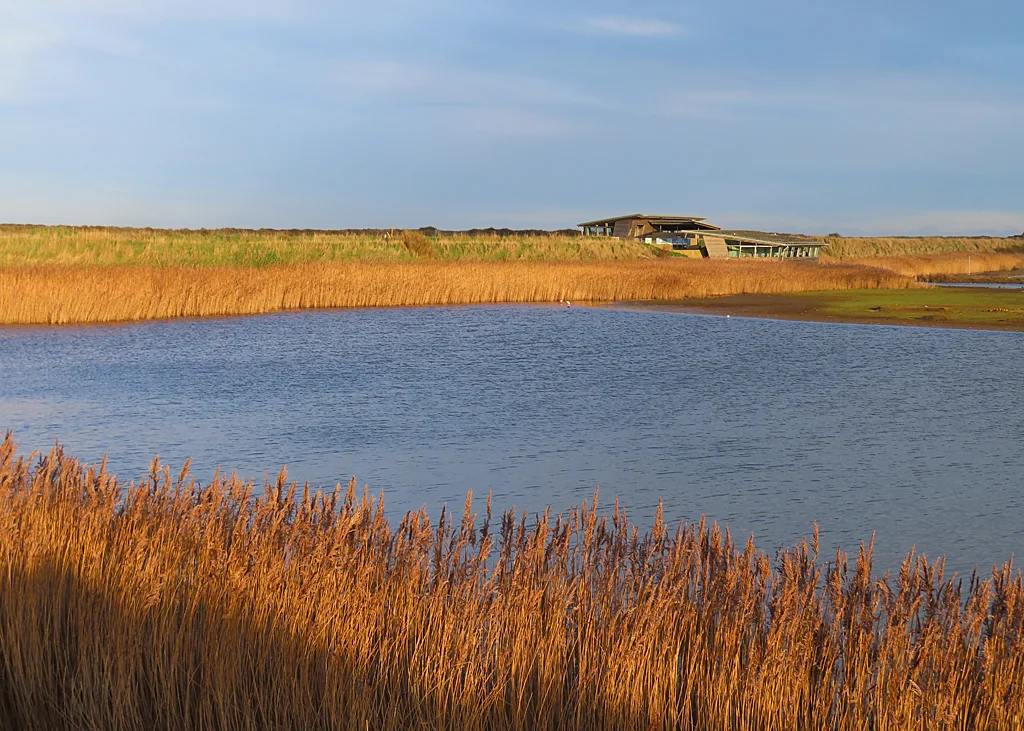
How do I start birdwatching?
Choose a familiar park, garden or nearby reserve and give yourself half an hour to watch. You can start without binoculars: notice how birds move, where they feed and which sounds repeat. Try describing one bird in ordinary words before looking up its name. Size, shape, posture and behaviour give you a much stronger beginning than a hurried guess based on colour alone. Our choice for the first goal is to recognise a few common local birds confidently.
A reserve can make the first outing easier because paths, hides and visitor information provide a useful framework. Choose somewhere whose route and journey suit you, then open its guide for current arrangements. A famous destination is not automatically a better first visit. If you arrive tired from a difficult transfer or spend the whole morning worrying about the return bus, you will have less attention available for birds. Keep the first day simple enough to repeat.
What should I take on a first birdwatching day?
Take footwear suited to the route, weather layers, water, food and a charged phone. Pack for time standing still as well as time walking: a hide or exposed viewpoint can feel much colder than the approach. A small notebook or a notes app helps you keep the details that memory quickly smooths away. Write down what the bird actually did and what remained unclear. You do not need to produce a complete list.
If you borrow or buy binoculars, practise focusing on a stationary object before the visit. Raise them towards something you are already looking at, keeping your eyes on that spot. Read the binoculars guide before spending money and try different models where possible. A telescope can wait until you know which habitats you enjoy and whether distant waterbirds are a regular part of your watching. The spotting scope guide helps with that later decision; it is not a requirement for beginning.
Your first three months: learn one place
In the first month, repeat the same short route several times if you can. Notice which birds use the water, hedge, grass and trees. Learn the easiest three or four before chasing unfamiliar ones. Read listen before looking and try a short pause at the same point on each visit. Sounds often reveal activity that remains difficult to see, particularly once trees are in leaf. Keep your phone silent and avoid using playback to draw a bird closer.
During months two and three, add identify by structure and keep better notes. Describe proportions and movement, then compare those details with a guide after watching. Make a short sketch if words are awkward; even a rough outline can preserve something useful. Keep uncertain records separate from confident identifications. A return visit may answer the question more convincingly than searching photographs until one seems to fit.
Months four to six: add a second habitat
Choose a different habitat within a comfortable journey. If you have started in a park, a wetland gives you larger birds and more open views. If you have begun beside water, a woodland visit builds listening and flock-watching skills. Look at the habitat guides and choose a contrast you can explain in simple terms. Ask where birds are feeding, which parts of the landscape offer cover, and how your viewpoint affects what you notice.
Try one longer reserve visit with a proper rest rather than several rushed stops. Read your first reserve visit before travelling and leave time to ask staff or volunteers a concise question. They may help with a bird you are already watching or point out a suitable public route. Respect quiet hides, share viewing space and move bags out of the way. If another watcher offers help, describe the features you saw instead of simply asking for the next rare bird.
Months seven to twelve: follow seasonal change
Return to your original place in a different season and compare the birds, vegetation and light. The birdwatching calendar helps explain typical changes without requiring you to travel across the country. Set a small seasonal aim: a spring listening session, a summer visit to a managed seabird viewpoint, or a winter wetland watch. Choose one that fits your transport and comfort, then use the appropriate month guide to plan it.
Towards the end of the year, look back at your notes. Notice which birds you now recognise without effort and which habitats you want to understand next. You may prefer watching feeding ducks to searching woodland for migrants; that is useful information. A good second-year plan follows that interest while adding one new skill. If recording appeals, read the relevant BTO scheme instructions and choose a project that matches your experience and available time rather than assuming all surveys work in the same way.
Five first reserve choices in England
Our suggested starting set is RSPB Titchwell Marsh, RSPB Minsmere, RSPB Leighton Moss, WWT London Wetland Centre and WWT Slimbridge. They offer different wetland experiences and geographical choices. Pick the one with the least awkward journey, then use its guide to choose an appropriate route and season. You do not need to visit all five: the list gives alternatives for finding a comfortable beginning near where you live or will be staying.
For a first day, aim to watch a small group of birds for long enough to recognise feeding, resting and alert behaviour. A hide can help, but it is equally useful to pause on an authorised path with a clear view. Read the route notes before bringing a pushchair or mobility aid, and plan food and toilets around the facilities actually available. Save a second habitat for another visit if the first part of the day already feels full.
Five first reserve choices in Scotland
Compare RSPB Lochwinnoch, WWT Caerlaverock, RSPB Loch Garten, RSPB Insh Marshes and Montrose Basin. This is a choice of contrasting places, not a single touring route. Think about whether you want open water, wetland flocks or woodland listening, then match that to the season and the distance from home. Read the individual guide for access arrangements and established viewing places before making a long journey.
Weather and exposure can change the pace of a Scottish visit, including a day that begins in comfortable conditions. Carry the clothing you need for a stationary watch and keep a shorter route available. If a sensitive species is part of the attraction, use the operator’s visitor facilities and guidance. Avoid asking for unofficial nest or lek directions. A productive first day can be built entirely around widespread birds and the process of learning how they use the landscape.
Five first reserve choices in Wales
Start by comparing RSPB Conwy, RSPB Newport Wetlands, WWT Llanelli, Teifi Marshes Nature Reserve and RSPB Ynys-hir. Choose one rather than attempting to combine distant parts of Wales. The linked guides help you compare routes, viewing opportunities and travel. Our preference for a beginner is a visit with enough flexibility to shorten the walk and still spend time watching, particularly when children or mixed walking abilities are part of the group.
Use an open view to practise finding a bird with your eyes before raising binoculars. Name a fixed landmark, follow the bird’s movement briefly, then bring the binoculars into position. If you lose it, lower them and start again instead of sweeping blindly. Ask companions what they can see and give patient directions such as “beside the pale post” rather than announcing a name without a location. Shared watching is easier when everyone has time to find the subject.
Five first reserve choices in Northern Ireland
Compare RSPB Belfast Window on Wildlife, WWT Castle Espie, RSPB Portmore Lough, Oxford Island National Nature Reserve and Quoile Pondage Nature Reserve. Pick a convenient wetland day and use its guide to understand the route before departure. These choices give different starting points around the region; the best one for you depends on your journey, the facilities you need and the amount of walking you enjoy.
At open water, begin with broad differences: birds that swim, birds that stand at the edge and birds that fly over without landing. Within each group, compare body shape and feeding action. Resist the urge to identify every distant individual at once. Spend longer with a nearby bird you can describe well, then test those observations against a guide. Confidence grows from recognising why an identification fits, including the features that would rule it out.
What if I cannot identify a bird?
Write down a useful description and let the name wait. Note the approximate size, shape, habitat, movement and any clear sound. If you took a photograph without approaching or disturbing it, compare the image with a field guide after the visit. Avoid treating an app suggestion as a final answer when the photograph is blurred or the sound contains several birds.
Ask for help with the evidence you have: a short description and the broad place and date are often more useful than a confident guess. Explain which features were uncertain. A patient observer can enjoy a bird without resolving it immediately, and that unfinished question gives the next local walk a purpose. Keeping honest notes also makes later progress easier to recognise.
How to watch birds without disturbing them
Stay on authorised routes, follow local restrictions and give birds space to continue feeding or resting. Raised heads, repeated alarm calls or movement away from you are reasons to back off. A photograph is worth abandoning before it causes that response. Read watch waders without flushing and responsible sightings before a coastal trip or sharing a sensitive observation. Avoid publishing precise nest, lek or vulnerable roost locations.
Finish each outing with three short notes: one bird you understood better, one behaviour you noticed and one question for next time. That is enough to create a useful record without turning a relaxing walk into an examination. When you are ready for a longer break, compare the trip guides and keep the same approach: manageable travel, time to pause and a flexible alternative. Birdwatching becomes richer when returning feels inviting rather than like an unfinished assignment.
Reserve guides for this visit
Sources and review
- Confirmed: BTO Birders’ Code, disturbance and responsible recording
- Confirmed: RSPB bird identification and beginner learning
- Confirmed: BTO bird learning resources
- Confirmed: BTO bird topography and main feather tracts
- Confirmed: RSPB bird migration
- Confirmed: BTO BirdTrack
- Confirmed: RSPB Belfast Window on Wildlife operator information
- Confirmed: RSPB Conwy operator information
- Confirmed: RSPB Ham Wall operator information
- Confirmed: RSPB Leighton Moss operator information
- Confirmed: RSPB Loch Garten operator information
- Confirmed: RSPB Lochwinnoch operator information
- Confirmed: RSPB Minsmere operator information
- Confirmed: RSPB Newport Wetlands operator information
- Confirmed: RSPB Titchwell Marsh operator information
- Confirmed: WWT Castle Espie operator information
- Confirmed: Farne Islands operator information
- Confirmed: RSPB Bempton Cliffs operator information
- Confirmed: RSPB Insh Marshes operator information
- Confirmed: RSPB Loch Gruinart operator information
- Confirmed: RSPB Snettisham operator information
- Confirmed: RSPB The Oa operator information
- Confirmed: RSPB South Stack operator information
- Confirmed: Montrose Basin operator information
- Confirmed: Oxford Island National Nature Reserve operator information
- Confirmed: Quoile Pondage Nature Reserve operator information
- Confirmed: RSPB Portmore Lough operator information
- Confirmed: RSPB Ynys-hir operator information
- Confirmed: Teifi Marshes Nature Reserve operator information
- Confirmed: WWT Caerlaverock operator information
- Confirmed: WWT Llanelli operator information
- Confirmed: WWT London Wetland Centre operator information
- Confirmed: WWT Slimbridge operator information