
Fieldcraft · Practical UK birdwatching
How to read an estuary for birds
Read the waterline before you search for individual species. An estuary becomes easier to understand when you watch how feeding areas, channels and safe resting places change through a tide.
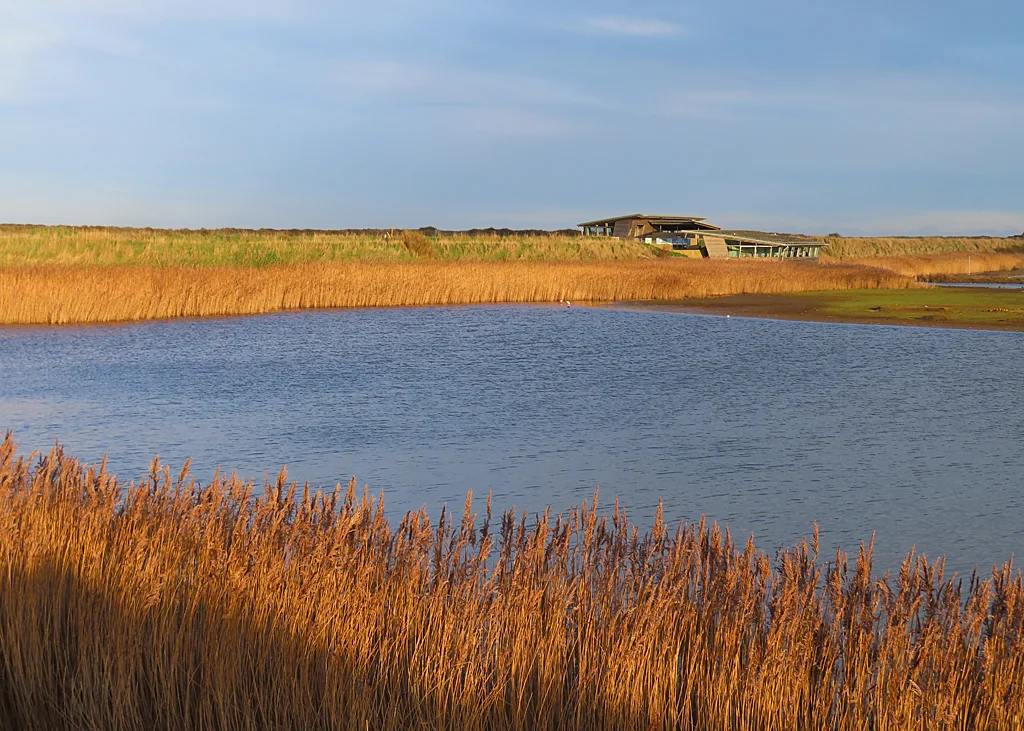
Where to look for birds on an estuary
Start with a wide view from an authorised path or hide. Divide what you can see into open water, exposed mud, channels, sand and higher ground. Choose a fixed landmark for each part: a creek mouth, an island end or a distant marker. These become the framework for your scan. Looking at the structure first helps you describe where birds are feeding and makes it easier to relocate a group when you lift your eyes from the telescope.
Notice what is moving. A group near the water may be following the retreating edge; another may remain on ground that has been exposed longer. Avoid assuming every bird on the same mudflat is doing the same thing. Watch a small section until you can say whether the birds are feeding, washing, resting or walking to a new patch. Our choice for learning is an unhurried ordinary tide at a reserve with a clear public viewpoint.
How to use tide times when birdwatching
Look up the correct local tide information before travelling and read the reserve’s advice about useful watching conditions. High water at the nearest named port is only one part of the plan. The route, height of tide and place you are watching all matter. Use the operator’s interpretation where a spectacle depends on particular conditions. Keep tide planning separate from access permission: exposed ground is not an invitation to leave the visitor route.
Arrive with enough time to observe a change rather than a single instant. Make a note of the waterline against your chosen landmark, then compare it after a short interval. Does a channel widen? Is a feeding patch disappearing? Are birds walking or flying towards another permitted viewing area? Your notes gradually connect the tide table with the landscape. A photograph of the general scene can help with later comparison if taking it does not distract from safe footing.
How to identify feeding zones and wader behaviour
Compare birds that are close enough to watch comfortably. Look at the relationship between leg length, water depth and feeding action. A bird picking from the surface presents a different problem from one probing with much of its bill hidden. Describe the movement before choosing a name. Shape, bill proportions and behaviour can then be checked against a field guide. A bird standing in deep water may show very little leg, so allow the view to change.
Scan a settled group in overlapping sections. Check the front edge, middle and back, because a taller bird can hide a smaller one. If the flock takes flight naturally, lower the optics and follow its direction before attempting to identify details. Do not pursue it along the shore. A change of position can be part of the tide’s normal progress; the useful task is to learn the pattern from the established public viewpoints.
Practise it here: four different estuary visits
Use RSPB Titchwell Marsh for an exercise comparing the coastal view with the reserve’s other wetland habitats. Give the shoreline one careful scan, then explain in a sentence why birds are using that particular strip. At RSPB Snettisham, build the visit around the operator’s tide advice and designated viewing areas. Concentrate on where groups move as space changes, leaving the details of arrival, paths and facilities to the reserve guide.
RSPB Conwy offers another chance to distinguish managed pools from the tidal landscape beyond them. Label those areas separately in your notebook so that a water-level change is not assigned to the wrong cause. At RSPB Lough Foyle, select the official viewing arrangement described in the guide and compare broad feeding zones. These are alternatives for regional practice, not a four-stop itinerary. Revisit the nearest suitable estuary before planning a long journey to another.
How to watch estuary birds without disturbing them
Choose your viewing position before approaching the visible flock and use cover supplied by the reserve. Keep dogs within the site’s rules, avoid sudden movement on a skyline and leave a clear route past your telescope. If heads rise together or birds repeatedly move away from you, increase the space. Never make a flock fly to count or photograph it. A distant resting group deserves the same care as birds feeding close to a path.
Treat soft mud, tidal channels and edges as hazards rather than shortcuts. RNLI advises checking weather and tides, carrying a way to call for help and telling someone your plan. Strong wind and poor visibility can change a comfortable visit, so shorten it when necessary. End your exercise with a simple sketch showing water, feeding ground and resting ground. Add the time and state of tide. On the next visit, test whether your explanation still fits the scene.