
Trips · Practical UK birdwatching
Orkney birdwatching week
Allow a week for Orkney Mainland, Hoy and Westray, with Marwick Head, Cottascarth and Noup Cliffs given proper time. Our choice is to book the island transfers first and protect a spare day for wind or ferry changes.
Who this Orkney birding week suits
Choose Orkney when you want enough time to understand an island landscape rather than spend every day catching the next connection. Our outline gives seven days to a mixture of Mainland visits and separate Hoy and Westray outings. It suits confident independent travellers who enjoy open coast, patient scanning and a flexible schedule. A smaller version based on Mainland alone is entirely sensible when you prefer fewer transfers or have limited walking capacity.
Late spring and early summer are our suggested starting period for a seabird-focused first visit. Autumn and winter create a different holiday, with shorter days and transport or weather more likely to shape the route. Choose the seasonal character before making reservations. Ferries, onward island transport and accommodation need to fit together; a successful outward sailing is only part of an enjoyable day when you also need a practical return and a comfortable route from the arrival pier.
Days 1 and 2: arrive, then Marwick Head
Keep the first day for arrival, food and a modest local public-route introduction. If you have flown or crossed overnight, avoid turning tiredness into a long exposed walk. Use the evening to compare the forecast with the ferry bookings, pack the next day's bag and check whether any reserve access notices affect the plan. An ordinary local watch can still give a pleasing sense of place without needing a large first-day list.
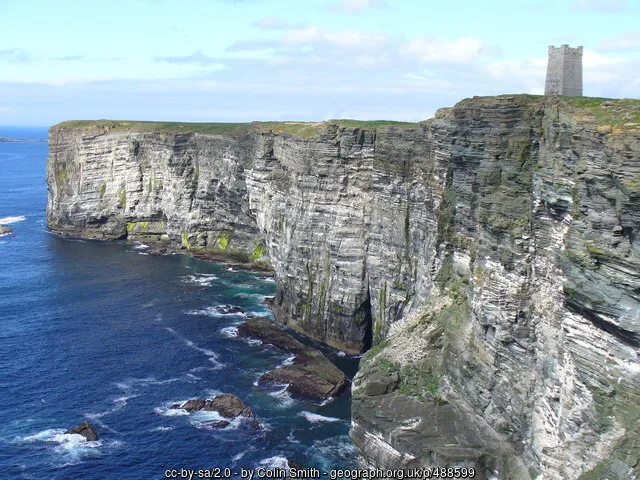
Give the second day to RSPB Marwick Head, using its guide for the official approach and walking requirements. Choose the viewpoint that suits the conditions and share space with other observers. Watch the cliff and sea as a whole, then settle on a few individual birds to study. Wind and visibility can change the usefulness of a location quite quickly, so allow a shorter walk when the open ground feels uncomfortable. Do not approach cliff edges or move outside the authorised route for a photograph.
Day 3: Cottascarth and a slower Mainland day
Visit RSPB Cottascarth and Rendall Moss for a different form of observation. A quiet hide session gives the group a useful change from a cliff walk, and can provide a steadier setting for distant scanning. Read the guide's facilities and arrival information before travelling: a small rural reserve needs its own food, toilet and parking plan rather than assumptions based on a large visitor-centre site.
OSRM measured 29 minutes between the mapped Marwick Head and Cottascarth locations on 18 October 2026. Add the final arrival and walking time when planning the actual day. Our preference is to give each reserve a separate substantial session rather than rush both simply because the road link looks short. Observe the wider moorland and wetland from permitted places and avoid precise directions to sensitive breeding birds. The most useful note may describe a hunting style or change in behaviour rather than a confidently assigned distant species.
Day 4: Hoy needs its own ferry and walking plan
Set aside the fourth day for RSPB Hoy, provided the sailing, onward transfer and forecast work together. Orkney Ferries distinguishes the routes serving Hoy, including the Moaness foot-passenger connection and the South Isles service. Choose the arrival that fits your intended public route and transport, then check the complete return journey. An island label on the timetable is not enough to establish that your chosen walk starts conveniently beside the pier.
Book any required vehicle space or island transfer in advance. If travelling as a foot passenger, agree how you will reach and leave the walking start before buying the crossing. Read the Hoy guide for terrain and exposure, carry food and water, and choose a manageable route for the least confident walker. A long cliff outing belongs on a day when the group has the conditions, footwear and time to enjoy it. If those elements fail, keep Hoy for another visit and use the Mainland fallback.
Day 5: Westray and Noup Cliffs
Give RSPB Noup Cliffs a separate Westray day or an overnight extension. First confirm the Kirkwall–Westray ferry and the onward journey from the island arrival to the reserve approach. Orkney Ferries advises booking vehicles because space for an unbooked vehicle cannot be guaranteed. For a car-free visit, arrange the island transport and return collection directly, using the current council or operator information rather than assuming a bus meets every sailing.
Read the reserve guide before choosing the walk and allow time for food and shelter breaks. A seabird viewpoint can hold attention for much longer than expected, so keep the last safe return time visible in the day's plan. The road journey from a pier and the sea crossing are separate legs; no mainland driving estimate can represent the complete transfer to Noup. Use the actual booked sailing and confirmed local connection to decide whether a day visit gives enough time or an overnight stay is the more comfortable choice.
Days 6 and 7: weather margin and a relaxed departure
Keep day six available for the outing that weather or transport displaced. If all the planned visits went ahead, return to the favourite reserve and watch a little more carefully. At RSPB Marwick Head, different light may help with flying birds; at RSPB Cottascarth and Rendall Moss, an extended quiet watch can reveal movements missed during the first visit. A repeated reserve is a useful part of the week, especially when it reduces the pressure on island connections.
On day seven, make any morning outing subordinate to the departure arrangements. Check the operator's live notices and allow time for packing, terminal arrival and the next mainland connection. If the forecast points to disruption, discuss the practical options with the transport provider and accommodation before committing to another long trip. A shorter final watch can still be memorable. Having enough time to leave calmly protects the enjoyment of the whole week much better than squeezing in one last distant reserve.
Car-free Orkney and sensible places to stay
A car-free week works best with a settled Mainland base and only the island outings whose onward transfers are explicitly arranged. Kirkwall is our first accommodation comparison for a Westray-ferry emphasis; Stromness suits a Moaness–Hoy emphasis. Compare the actual property-to-terminal walk, baggage arrangements and evening food. An early departure can be awkward when breakfast is served only after the bus or boat has left.
Pierowall on Westray is worth comparing for an overnight Noup extension, provided the local transfer is confirmed. Do not move rooms merely to make the itinerary look comprehensive; an extra night is useful when it gives more comfortable time on an island. Check cancellation and disruption terms for both accommodation and ferries. Carry the contact information offline and let a host know when changed transport affects arrival. The timetable should shape the scope of the holiday, with plenty of room for watching once you reach each place.
What to book and how to watch responsibly
Arrange the main journey to Orkney, the room and the inter-island transport as a connected plan. Reserve any required island taxi or organised outing, and discuss access needs with the provider before paying. Keep the ferry reference and return details together with the reserve guide. A week offers useful flexibility, but it still needs clear decisions about which transfers are fixed and which outings can move.
Follow the official cliff routes, keep dogs within local rules and use hides or public viewpoints for sensitive wildlife. Leave nest, roost and breeding-site pins out of public posts. Take a few detailed field notes each evening and use them to choose the next day's pace.
Other reserves to compare for a longer birding holiday
North Ronaldsay Bird Observatory is an additional Orkney option for a longer stay with its own accommodation and transport arranged first. A specialist island extension deserves spare days around arrival and departure, especially when you want time for the observatory's particular rhythm. Read its guide before making an extra connection part of an already booked week.
For a future island comparison, explore Fair Isle Bird Observatory, RSPB Sumburgh Head and RSPB Mousa. These belong to separate northern-island travel plans, with different flights, ferries or boat arrangements. Comparing them helps choose the kind of wildlife visit you want next; it does not make them practical extra stops during a Mainland Orkney day. Give the chosen island the time its journey and public access require.
Reserve guides for this visit
Sources and review
- Confirmed: RSPB Marwick Head operator visitor information
- Confirmed: RSPB Cottascarth and Rendall Moss operator visitor information
- Confirmed: RSPB Hoy operator visitor information
- Confirmed: RSPB Noup Cliffs operator visitor information
- Confirmed: North Ronaldsay Bird Observatory official visitor information
- Confirmed: Fair Isle Bird Observatory official visitor information
- Confirmed: RSPB Sumburgh Head official visitor information
- Confirmed: RSPB Mousa official visitor information
- Confirmed: RSPB Mousa boat booking arrangements
- Confirmed: Orkney Ferries route timetables and vehicle booking
- Confirmed: Orkney Islands Council bus service information
- Confirmed: OSRM road estimate measured 18 October 2026 — RSPB Marwick Head to RSPB Cottascarth and Rendall Moss