
Trips · Practical UK birdwatching
UK birdwatching trips and weekends
Choose a birding break by the time you have, the season and how you will travel. These itineraries favour time watching over long lists of stops.
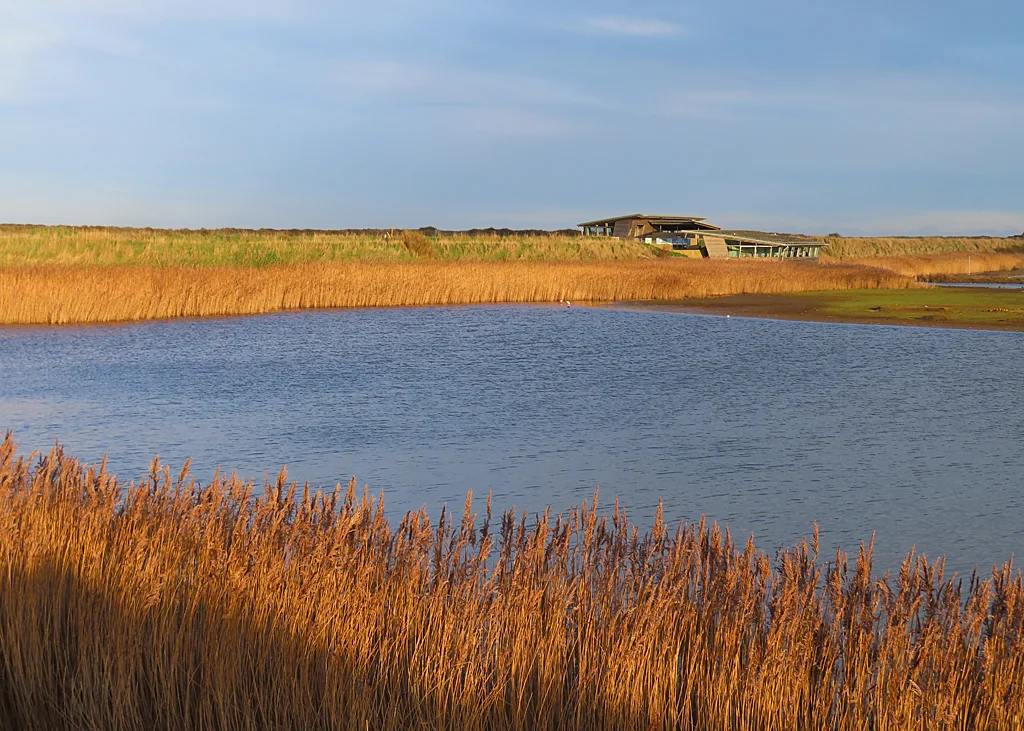
Which UK birdwatching trip should I choose?
Our choice for a first short break is one region, one main habitat and a spare half-day. A successful itinerary leaves room to sit in a hide, understand what the tide is doing and return to a place that was productive. Moving reserve every hour can turn a promising weekend into a sequence of car parks. Start with the comparison table, then open the trip that matches both your interests and your actual transport.
The suggested durations are a comfortable starting shape, rather than a minimum stay. Extend them if you prefer short walks, need more rest, or are depending on ferries. A birding week around Orkney asks different questions from three London wetland days: accommodation and inter-island travel matter as much as the choice of viewpoint. Use the trip’s detailed day plan to decide what you can remove if weather or fatigue changes the pace.
Compare birdwatching holidays and weekend breaks
The car-free column describes the complete suggested circuit. A “no” can still include individual reserves that work well by public transport. Read the linked plan for those adaptations before dismissing a region, and check the final connection as carefully as the outward journey.
| Trip | Region | Suggested days | Best months or season | Car-free circuit? |
|---|---|---|---|---|
| North Norfolk birdwatching weekend | Norfolk | 3 | October–March; spring and summer alternatives | No — a shorter car-free version is described |
| Suffolk coast birdwatching trip | Suffolk | 3 | March–May; August–February | No — a shorter car-free version is described |
| Car-free Morecambe Bay birdwatching | Lancashire | 3 | October–May; year-round alternatives | Yes |
| Somerset Levels winter birdwatching trip | Somerset | 3 | November–February | No — a shorter car-free version is described |
| Northumberland coast birdwatching trip | Northumberland | 3 | May–June seabirds; October–March shorebirds | No — a shorter car-free version is described |
| Pembrokeshire seabird islands birding trip | Pembrokeshire | 4 | May–June; residential dates depend on booking | No — a shorter car-free version is described |
| Speyside and Cairngorms birdwatching trip | Highlands | 4 | April–June; autumn and winter alternatives | No — a shorter car-free version is described |
| Islay in winter birdwatching trip | Islay | 4 | November–February | No — a shorter car-free version is described |
| Orkney birdwatching week | Orkney | 7 | May–July; autumn and winter variants | No — a shorter car-free version is described |
| Yorkshire coast seabird birdwatching trip | Yorkshire | 3 | May–June seabirds; August–October migration | No — a shorter car-free version is described |
| London birdwatching without a car | London | 3 | October–March; April–June alternative | Yes |
Best birdwatching weekends for wetlands
The North Norfolk weekend is our choice for a flexible first coastal break: compare RSPB Titchwell Marsh and RSPB Snettisham, then let the tide and weather decide the order. The Suffolk coast plan suits readers who want to give RSPB Minsmere a substantial part of a day. It also explains why the Dunwich Heath closure affects the choice of additional walks. Do not assume a familiar coastal name is currently open simply because it appears in an older itinerary.
For winter reedbeds, look at the Somerset Levels plan and RSPB Ham Wall, then compare the wider landscape with the reedbed classics collection. On Morecambe Bay, RSPB Leighton Moss makes a useful focus for a trip built around trains. Keep estuary viewpoints and rail connections in balance: staying until the last light is less attractive if the return journey no longer works. These trips reward repeat observation, including the small changes in feeding behaviour that become apparent when you remain in one place.
Best trips for seabird colonies and islands
The Northumberland and Yorkshire coast itineraries provide two different mainland bases for summer seabirds. Farne Islands adds a boat decision, while RSPB Bempton Cliffs provides an established mainland cliff visit. Read the Puffin guide before deciding which experience matters most. A photograph of a colony does not tell you whether your ticket includes a landing, a cruise or access to a particular part of an island.
Pembrokeshire requires especially careful booking choices because Skomer, Ramsey and Skokholm have different visit arrangements. Compare the relevant reserve guides and keep a mainland alternative in the diary. The Orkney week gives ferries and inter-island travel enough space to shape the route. Our recommendation for either region is to book accommodation with transport in mind, then avoid a schedule that depends on every crossing running exactly as hoped. A spare day can be more valuable than another distant stop.
Scottish birding trips beyond a weekend
Speyside and the Cairngorms suits a longer stay with room for contrasting woodland, wetland and coast. Use RSPB Loch Garten and RSPB Insh Marshes as starting points for deciding what you want to understand, then read the itinerary’s access notes before choosing further stops. Sensitive species are watched only through authorised routes and established facilities. An independent trip should never turn into a search for unofficial nest or lek directions.
For a different season, Islay in winter centres on open landscapes and winter birds. RSPB Loch Gruinart and RSPB The Oa make complementary reading, with the ferry journey forming part of the plan from the start. Think about where you will sleep, where you will collect food and how you will reach the island before filling each day with wildlife targets. The Scottish island planning journal brings those decisions together for readers comparing Islay with a more complex island holiday.
How to plan a birdwatching trip without a car
Choose the London plan or the car-free Morecambe Bay itinerary when public transport is central to the holiday. They start with places that can form a workable journey, then allow watching time around it. A station somewhere near a reserve is only the beginning: the entrance, walking surface, bus frequency and return connection determine whether the day feels straightforward. Read the current reserve directions rather than relying on an old travel blog.
A car-free version of a rural trip may mean using one base, omitting isolated stops and booking a taxi in advance. Be clear about that choice before reserving accommodation. Put water, food and a warm layer in your day bag, and save essential directions where they remain available without reception. Finish by selecting a weather fallback that uses the same transport base. A sheltered wetland can rescue a windy day far more effectively than attempting a long exposed transfer just to preserve the original checklist.
Reserve guides for this visit
Sources and review
- Confirmed: BTO Birders’ Code, disturbance and responsible recording
- Confirmed: RSPB bird identification and beginner learning
- Confirmed: BTO bird learning resources
- Confirmed: BTO bird topography and main feather tracts
- Confirmed: RSPB bird migration
- Confirmed: BTO BirdTrack
- Confirmed: RSPB Belfast Window on Wildlife operator information
- Confirmed: RSPB Conwy operator information
- Confirmed: RSPB Ham Wall operator information
- Confirmed: RSPB Leighton Moss operator information
- Confirmed: RSPB Loch Garten operator information
- Confirmed: RSPB Lochwinnoch operator information
- Confirmed: RSPB Minsmere operator information
- Confirmed: RSPB Newport Wetlands operator information
- Confirmed: RSPB Titchwell Marsh operator information
- Confirmed: WWT Castle Espie operator information
- Confirmed: Farne Islands operator information
- Confirmed: RSPB Bempton Cliffs operator information
- Confirmed: RSPB Insh Marshes operator information
- Confirmed: RSPB Loch Gruinart operator information
- Confirmed: RSPB Snettisham operator information
- Confirmed: RSPB The Oa operator information
- Confirmed: RSPB South Stack operator information
- Confirmed: Montrose Basin operator information
- Confirmed: Oxford Island National Nature Reserve operator information
- Confirmed: Quoile Pondage Nature Reserve operator information
- Confirmed: RSPB Portmore Lough operator information
- Confirmed: RSPB Ynys-hir operator information
- Confirmed: Teifi Marshes Nature Reserve operator information
- Confirmed: WWT Caerlaverock operator information
- Confirmed: WWT Llanelli operator information
- Confirmed: WWT London Wetland Centre operator information
- Confirmed: WWT Slimbridge operator information