RSPB Lough Foyle
Whooper Swans, Pintails, Wigeons, Teals, Golden Plovers and Lapwings gather across the lough and fields, while Peregrines can send wader flocks wheeling above the shore.
- seasonally well matched
 the ai birderStart planning
UK birding, clearly mapped
Find the right UK reserve for the birds, season and practical visit you have in mind—then check access, routes, facilities, sightings and a useful nearby base.
Four nations · 198 detailed trips · 177 RSPB records
Go birding
A ranked starting point from the site’s seasonal and practical data—not a sighting promise.
Whooper Swans, Pintails, Wigeons, Teals, Golden Plovers and Lapwings gather across the lough and fields, while Peregrines can send wader flocks wheeling above the shore.
Sand Martins, Kingfishers, Lapwings and Oystercatchers animate spring and summer, while autumn and winter bring Water Rails, Snipe, Teal, Shovelers, Marsh Harriers and peak Kingfisher activity.
Winter brings Bewick's Swans, White-fronted Geese and vast duck and wader gatherings; spring and summer add breeding Avocets, cranes, warblers and rich wetland insects.
Conditions still win. Check the operator notice, forecast, tide or ferry before leaving.
Birding in October
Seasonal suggestions from complete guides. Check recent reserve notices before travelling.
Plan around the birds
Search every detailed guide and official RSPB place, then narrow the list by season and practical needs.
266 matching destinations · showing 12
North Berwick, East Lothian, Scotland · EH39 4SS
Watch the Bass Rock gannets by guided boat or through the Centre's live island cameras.
Open complete guideOff Seahouses, Northumberland · mainland departure NE68 7RQ
Puffins, Guillemots, Arctic Terns and Grey Seals reward a boat trip from Seahouses, with Inner Farne landing visits in season.
Open complete guidePembrokeshire, Wales · boat departure SA62 3BJ
Puffins near burrows, crowded auk ledges and Manx Shearwaters at sea make Skomer a special Pembrokeshire island visit.
Open complete guideWestleton, Suffolk, England · IP17 3BY
Listen for booming Bitterns and look for Bearded Tits, Marsh Harriers and Avocets across reedbed, shallow lagoons, wet grassland, heath and vegetated shingle.
Open complete guideBempton, East Yorkshire, England · YO15 1JF
A spectacular seabird city where Puffins, Gannets, Guillemots and Razorbills crowd towering chalk cliffs.
Open complete guideSnettisham, Norfolk, England · PE31 7RA
On selected very high spring tides, vast flocks of Knot, Dunlin, Oystercatchers and godwits lift from the Wash; winter dawn can also bring tens of thousands of Pink-footed Geese.
Open complete guideSilverdale, Lancashire, England · LA5 0SW
Explore north-west England's largest reedbed for Bitterns, Marsh Harriers and Bearded Tits, then use the separate saltmarsh trail for waders and Morecambe Bay views.
Open complete guideNethy Bridge, Cairngorms, Scotland · PH25 3EF
Look for Ospreys, Crested Tits, crossbills and Red Squirrels among ancient Caledonian pines, with loch views and year-round forest walks beyond the seasonal Nature Centre.
Open complete guideEglwys Fach, Dyfi Valley, Wales · SY20 8TA
Pied Flycatchers, Redstarts and warblers return to the oakwoods in spring; the estuary and wet grassland hold breeding Lapwings and Redshanks and the only wintering population of Greenland White-fronted Geese in England and Wales.
Open complete guideRathlin Island, County Antrim, Northern Ireland · BT54 6RT
Thousands of Puffins, Guillemots, Kittiwakes, Razorbills and Fulmars gather at Northern Ireland's largest seabird colony; revived hay meadows also give a chance of hearing Corncrakes.
Open complete guideBallykelly, County Londonderry, Northern Ireland · BT49 9HU (public trail access)
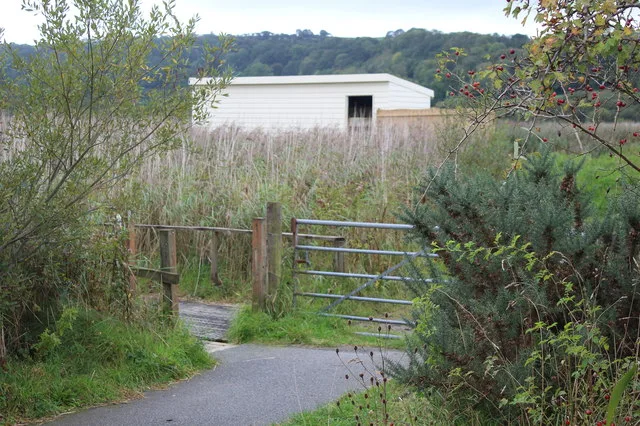
Whooper Swans, Pintails, Wigeons, Teals, Golden Plovers and Lapwings gather across the lough and fields, while Peregrines can send wader flocks wheeling above the shore.
Open complete guideHigh Wards Farm, Gartocharn, West Dunbartonshire, Scotland · G83 8SB
Ospreys and Redstarts use the reserve in the warmer months, while Greenland White-fronted Geese return with Pink-footed and Greylag Geese, Whooper Swans, Teal, Tufted Ducks and Wigeons for winter.
Open complete guideBrowse geographically
Each country page combines a map, regional groupings and a finder already narrowed to that nation.
Coast, heath, reservoir, wetland, woodland and reedbed destinations from the North East and Yorkshire to Cheshire's Dee Estuary, Rutland, Oxfordshire, the Lincolnshire Wash, the Norfolk coast, the Thames grazing marshes, Kent, south-west London, Dorset and Somerset.
Explore England SC52 complete guidesContrasting destinations for pinewood, floodplain, blanket bog, loch, estuary, saltmarsh, island and seabird-cliff birding, including Badenoch, Perthshire, Aberdeenshire, Angus, Fife and Islay.
Explore Scotland WA24 complete guidesReserves spanning Anglesey wetlands and sea cliffs, Pembrokeshire islands and marshes, North Wales lagoons, the Dyfi, Teifi, Tywi and Elan valleys, southern estuaries, restored South Wales wetlands and the upland woods of Powys and Carmarthenshire.
Explore Wales NI11 complete guidesEleven island, dune, raised-bog, blanket-bog, lough, pondage, estuary and urban-wetland destinations from County Londonderry to County Armagh, County Down and Fermanagh.
Explore Northern IrelandRead before you travel
Source-led context for choosing a place, understanding the habitat and setting realistic expectations.
October is our choice for combining autumn migration with the return of winter wetland birds. Plan a flexible estuary or freshwater day, use tides carefully and leave room for the weather to change the itinerary.
Plan this month →A calm, practical introduction to hides, trails, fieldcraft and setting realistic expectations.
Read field note →Start with the final mile: stations, buses and walkable entrances that make a low-carbon visit realistic.
Read field note →Topic-led discovery
Established places, useful seasons and responsible ways to experience wildlife without promising a sighting.
Plan a responsible starling-roost visit, understand murmurations and explore Ham Wall and Shapwick Heath through the winter.
Open wildlife guide →Typically April–July around breeding colonies; choose the local operator’s seasonFind UK Puffin watching places, compare island landings with mainland cliffs, and choose the season, access and travel arrangements that suit your trip.
Open wildlife guide →Year-round; typically March–May for booming; winter for patient reed-edge watchingHear spring Bitterns booming, learn patient reedbed fieldcraft and choose reserves for responsible watching, from Somerset wetlands to London hides.
Open wildlife guide →Typically March–September; managed breeding-season viewpoints in spring and summerPlan an Osprey visit around official viewpoints, seasonal migration and patient watching at Loch Garten, Loch of the Lowes and Rutland Water reserves.
Open wildlife guide →Typically autumn to early spring, with arrivals, peak numbers and departure varying between species and places.Watch winter geese from safe viewpoints: compare species, plan dawn and dusk roost flights, and choose reserves across Britain for a quieter flock watch.
Open wildlife guide →Typically spring to autumn around breeding colonies; actual colony attendance and boat availability vary.Watch gannets from coastal viewpoints or a responsible boat trip, comparing Bass Rock, Bempton, Troup Head and Grassholm for a spring or summer visit.
Open wildlife guide →Resident all year; feeding-station arrangements and reserve conditions vary by seasonDiscover the Red Kite’s recovery, choose a Welsh feeding-station visit or reserve walk, and learn how to watch these graceful birds responsibly.
Open wildlife guide →Year-round where resident; trip schedules, weather and local access determine the visitPlan responsible White-tailed Eagle watching on Mull, the Isle of Wight and Scottish reserves, using official viewing advice and suitable trips.
Open wildlife guide →Spring breeding activity · autumn feeding flocks · selected winter roostsFind responsible places to watch wild Common Cranes, understand their seasonal movements and recovery, and plan visits around official reserve advice.
Open wildlife guide →Spring and summer on breeding lagoons; autumn and winter concentrations vary by estuaryFind Avocets on lagoons and estuaries, understand their remarkable return, and choose public hides for quiet, responsible watching through the seasons.
Open wildlife guide →Resident all year in suitable reedbeds; autumn often offers more visible group flightsListen for Bearded Tits in reedbeds, choose calm days and public viewpoints, and learn how autumn flights and changing diets shape a patient visit.
Open wildlife guide →Autumn arrivals through winter, with spring departures varying between species, sites and weatherCompare Bewick’s and Whooper Swans, choose winter wetlands and official hides, and plan a responsible visit around natural flights and seasonal feeds.
Open wildlife guide →Winter flocks, spring display and passage in spring and autumnLearn to watch Britain’s waders from public hides and coastal paths, compare feeding shapes, choose useful tides and protect resting flocks on your visits.
Open wildlife guide →Spring song and summer migrants; resident birds throughout the yearFind woodland birds through patient listening and public-path walks, with spring migrants, resident flocks and thoughtful reserve choices across Britain.
Open wildlife guide →Resident raptors year-round; some summer visitors and winter gatheringsWatch Britain’s birds of prey from official hides, public viewpoints and responsible guided trips, with seasonal ideas and careful identification advice.
Open wildlife guide →Summer evening experiences on operator-confirmed datesResponsible Storm Petrel watching through guided Mousa dusk trips and island stays, understanding the birds’ nocturnal visits and keeping disturbance low.
Open wildlife guide →For the return visit
Seasonal rhythm, fieldcraft habits, curated reserve collections and a private way to remember meaningful experiences.
Follow migration, breeding seasons, winter gatherings and changing habitats.
Curated reservesExplore seabirds, reedbeds, winter landscapes and car-free favourites.
Build a habitListen, scan, read tides and keep notes that improve the next visit.
Private on this deviceRecord species, behaviours and responsible trips without public competition.
Recently expanded
New estuary, woodland and island guides join the collection, from Parkgate’s tide watch to Fair Isle stays. Each covers seasonal birds, access, transport and useful bases.
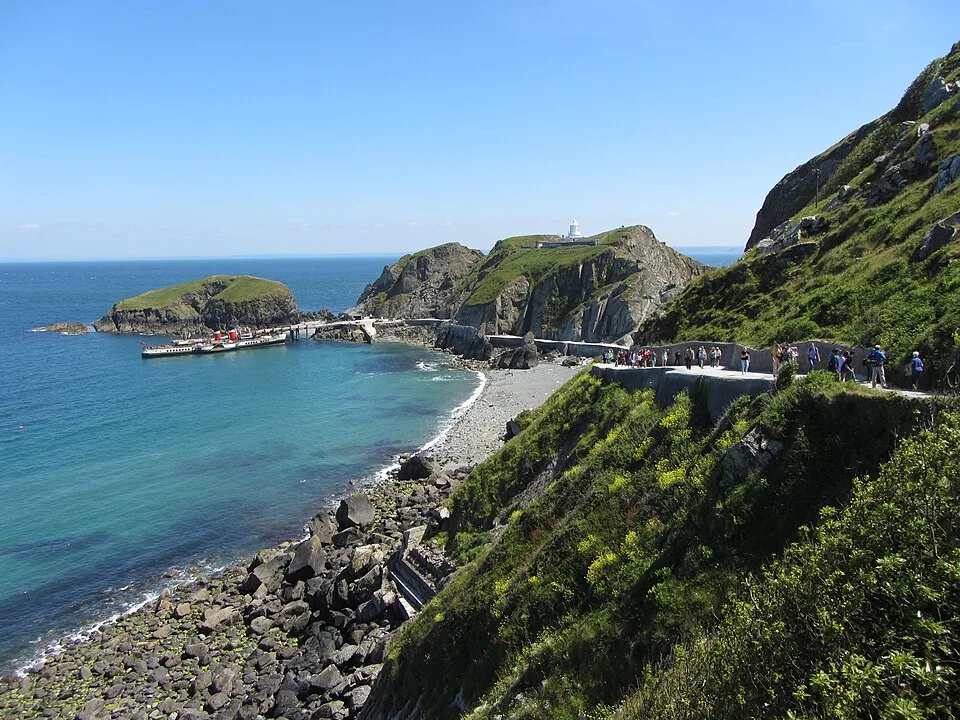
A proper island day, with sea watching on the crossing and time to explore the plateau.
Spring and summer seabirds · spring and autumn migrationOpen complete guide
A multi-island birding holiday where boat choices and time to explore matter more than chasing every report.
Autumn migration · spring coastal birding · summer pelagicsOpen complete guide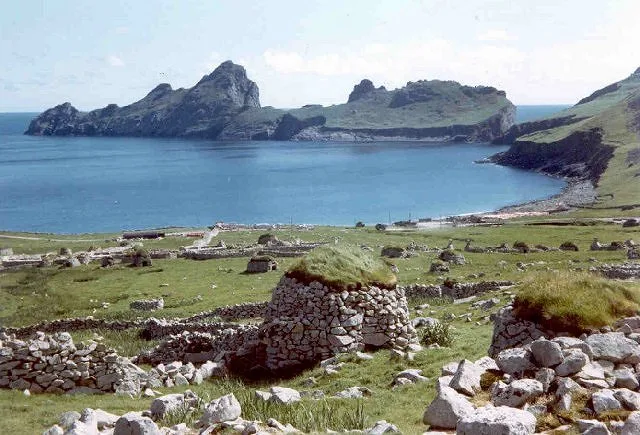
A major Atlantic expedition, with the weather and the skipper deciding whether a landing is possible.
Late spring and summer boat trips · seabird coloniesOpen complete guide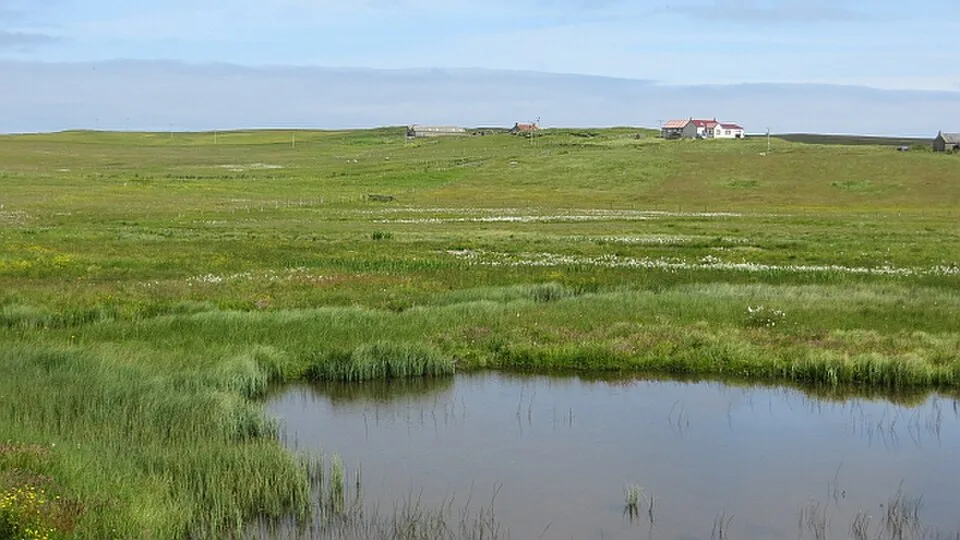
Patient watching from the official Mires of Funzie hide is the right way to enjoy this sensitive island reserve.
Late spring and summer · official-hide phalarope watchingOpen complete guide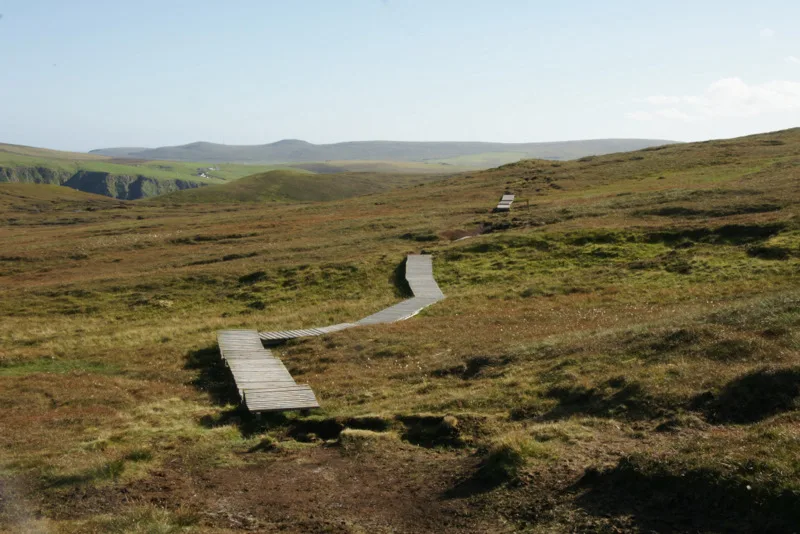
Follow the official boardwalk across moorland to a dramatic, exposed seabird headland.
Seabird colonies in late spring and summerOpen complete guide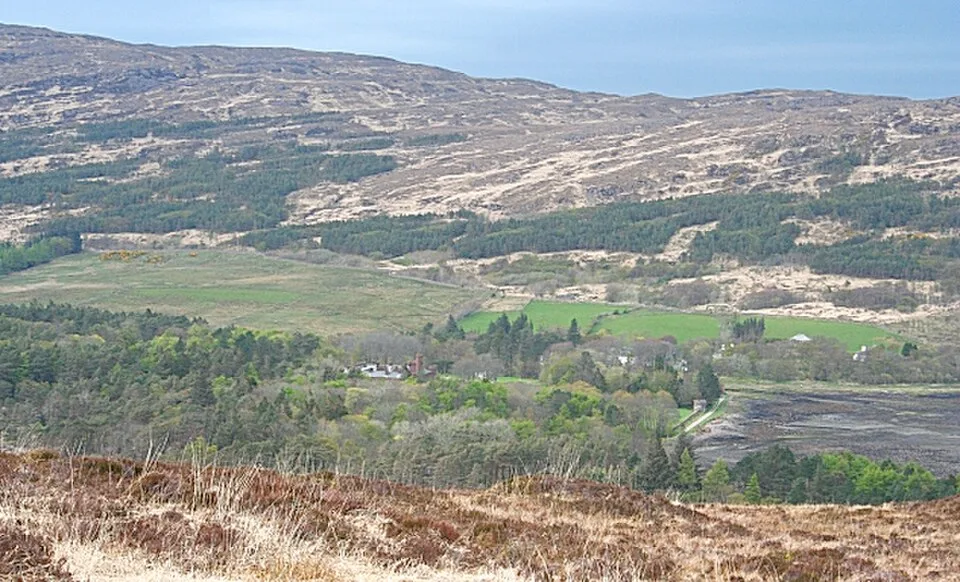
An island reserve for slow walking, sea watching and a spacious overnight stay.
Spring and summer wildlife · autumn deer · Manx shearwaters offshoreOpen complete guideCheck before travelling
These are prominent planning flags, not live operational guarantees. Always confirm the linked operator notice.
The Landmark Trust’s accessibility page still states that the passenger Landrover service on Lundy’s beach road is suspended during stabilisation works. Confirm current arrival arrangements before booking.
Review the guideNTS still displays its Conachair landslide warning: avoid the affected slope and follow the ranger’s current route advice.
Review the guideThe reservoir circular route is closed for dam upgrades. Open sections require out-and-back walks; no route passes through the works. Completion is expected late 2026, not confirmed. Severn Trent currently lists a temporary £3.50 all-day car tariff from 13 October.
Review the guideAnglian Water warns of soft mud beside low water. Do not enter exposed reservoir bed, inlets or water edges; watch from established public paths and hides.
Review the guidePlan around the place
The useful question is not simply where to go, but when to arrive, what conditions to expect and whether the visit suits you.
Start with wildlife
Time it well
Know before you go
Make a day of it
Official reserve networks
Use the directories for the final word on current access, opening and temporary changes.
Follow the story from the plumage campaign to Minsmere, Loch Garten and today’s reserve visits.
106 reserve guides Peter Scott and wetland conservationExplore the history behind ten contrasting wetland destinations and choose the right visit for you.
Ten wetland guides Local charities, connected conservationFind birdwatching places by managing trust and understand how the local movement developed.
Choose a local trust Coast, islands and wetland landscapesCompare National Trust and National Trust for Scotland places, with membership and boat planning.
Explore the coastal guides Nationally important wildlife placesUnderstand the designation, the four nations’ arrangements and the visitor choices at each place.
Find an NNR guideHow the guide stays useful
Reserve conditions change. The guide uses information from reserve operators and conservation bodies, then points you back to the official source for final checks before travelling.
Start with the organisation responsible for the reserve, its access and its visitor information.
Explain which habitats, migrations, tides and breeding seasons can shape a visit.
Sightings, paths, opening information and transport can move quickly, so the official link always comes with the guide.
Field note
Check the forecast, tide and reserve notices the evening before. Leave time to move slowly, listen first and let the birds set the pace.