Fair Isle Bird Observatory
Puffins, Wheatears, Redwings, Gannets
Open planner → the ai birderStart planning
Curated reserve collection
Choose an island birdwatching stay, from Fair Isle and North Ronaldsay to Bardsey and Skokholm, with booking distinctions, transport and wildlife care.
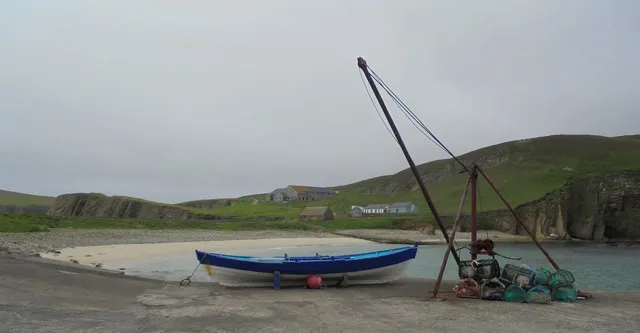
An island stay gives you time to notice changes that a short landing can miss: the first calls outside a window, the weather shifting across the sea or a familiar path becoming busy with migrating birds. Choose the accommodation arrangement before choosing a species target. A full-board observatory guesthouse, a self-catering cottage and a residential recording visit involve different expectations, even when all three put wildlife close by. The best choice is the one whose transport, facilities and daily rhythm suit your party.
Begin with a confirmed place to sleep and a realistic way to reach it. Coordinate arrival and departure with the accommodation provider, then book the appropriate flight, ferry or transfer boat. Keep room in the wider itinerary for disruption rather than placing an essential mainland connection immediately after an exposed crossing. Read the operator’s instructions about luggage, food, medication, water and charging equipment. A pleasant photograph of a remote island says little about the practical effort of carrying bags from a landing.
Fair Isle Bird Observatory offers a guesthouse stay within a working birdwatching setting. It publishes a 2027 guesthouse season from 26 April to 26 October, checked on 18 October 2026. Use that year’s accommodation terms when booking, rather than transferring a previous year’s price or deposit into the new season. Discuss the flight or ferry connection with the Observatory and understand how a delayed arrival would be handled. Once there, take pleasure in ordinary observations and the daily rhythm, rather than expecting a particular rarity to appear.
North Ronaldsay Bird Observatory advertises year-round opening and a choice of guesthouse, hostel and camping accommodation. Those are distinct products, with meal arrangements to choose separately where relevant. Ask for the accommodation type that meets your needs and coordinate the island flight or ferry before confirming the wider journey. An observatory stay can introduce you to migration recording, but access to accommodation does not authorise handling birds or entering a ringing area. Follow staff instructions and approach any opportunity to learn as a guest, with the birds’ welfare first.
On Bardsey, the Island Trust’s traditional self-catering houses and the Bird and Field Observatory’s Lodge offer different residential choices. The Trust describes basic off-grid houses, while the Lodge provides shared hostel-style facilities and welcomes visitors who are not specialist birdwatchers. The Lodge’s normal arrangement is a Saturday-to-Saturday week, with shorter stays conditional on availability. Choose the actual provider and its transport instructions; do not assume a day boat booking can be extended into an overnight stay after reaching the island.
Skokholm is a stay-based wildlife destination managed by the Wildlife Trust of South and West Wales. The operator’s main residential information uses Monday and Friday changeovers, creating ordinary stays of three or four nights. Book through the Trust’s current islands process, selecting the relevant year and following its instructions about payments and transport. Another Trust reserve page mentions organised day visits, so any exceptional day product needs direct confirmation rather than being assumed from the residential offering. For an overnight visit, let the booked stay and wardens’ guidance determine what is possible after dark. Never search for nocturnal seabirds independently around burrows.
The Isle of May needs a particularly clear distinction between a NatureScot reserve day visit and a Bird Observatory stay. A standard passenger-boat landing gives a defined visit ashore and a return sailing. The Observatory’s separate residential accommodation is at the Low Light, with booking arranged through its own secretary. Residents are expected to contribute to the daily bird census, migration log and other wildlife recording. Explain your experience and ask about those duties before applying, so that the visit is suitable for both you and the working observatory.
A recording stay can be rewarding for someone who enjoys careful notes, repeated routes and noticing modest changes over several days. It also brings a responsibility to follow the agreed arrangements, including restricted areas and sensitive wildlife guidance. Do not equate staying near a seabird colony with unrestricted access to it. Public paths, wardens’ instructions and the terms of the residential booking continue to apply. If the duties or basic arrangements do not suit your holiday, choose the ordinary day trip and a mainland base instead.
Rathlin and Coll offer another model: choose accommodation within an inhabited island community, then visit the reserve as a separate outing. Rathlin’s community association lists on-island places to stay. The Ballycastle ferry, local transfer to the West Light area and RSPB Seabird Centre visit each have their own arrangements. A bed on Rathlin does not include entry to every visitor attraction or remove the need to check its opening season. Leave space in the day for the village and its businesses as well as the seabirds.
Coll Bunkhouse, operated by Development Coll, provides a bookable village base in Arinagour. It is accommodation on Coll, not an RSPB reserve hostel. Coordinate the CalMac journey from Oban, the island transfer and the reserve’s current access guidance. Corncrakes are sensitive breeding birds: enjoy calls and incidental views from public roads or official viewing arrangements, never walk into fields or follow a bird’s calls towards cover. Staying longer gives more time to appreciate the island quietly; it does not justify seeking a closer breeding-bird encounter.
Skomer adds a further Wildlife Trust hostel option alongside its well-known day landings. Overnight accommodation uses the Trust’s separate booking system; it should not be confused with an ordinary landing place purchased through the day-trip boat operator. Follow the residential joining instructions and the wardens’ guidance about moving around after dark. The interest of an island evening is precisely why controlled routes, quiet behaviour and careful lighting matter around vulnerable seabirds.
For every destination, keep shared rooms and kitchens usable, conserve water where requested and buy supplies in a way that supports the island without assuming unlimited stock. Tell the accommodation provider about mobility or dietary requirements before committing to travel. Carry essential medication with enough margin for a delay. Keep wildlife records clear and submit them through the requested channel, but withhold precise nest, lek or breeding locations from public posts. A successful island stay respects both the people who live and work there and the birds that make it special.
Rum combines a CalMac passenger crossing from Mallaig with accommodation booked through the island’s providers. Choose public coastal walks and leave mountain routes to a day whose weather, equipment and experience support them. Manx Shearwaters should be enjoyed at sea or from appropriate public viewpoints; their nesting ground is sensitive.
On the Isles of Scilly, start with a confirmed room or cottage on the actual island where you intend to sleep. A mainland ferry or flight and an inter-island boat are separate parts of the journey. Lundy’s Landmark Trust accommodation is also booked separately from a day trip. The new guides set out the different landing, luggage and arrival considerations so that a promising wildlife plan becomes a workable stay.
Puffins, Wheatears, Redwings, Gannets
Open planner →Eiders, Wheatears, Whooper swans, Arctic terns
Open planner →Choughs, Manx shearwaters, Wheatears, Puffins
Open planner →Puffins, Manx shearwaters, Storm petrels, Razorbills
Open planner →A compact island at the mouth of the Firth of Forth where Puffins burrow in maritime grassland and Guillemots, Razorbills, Kittiwakes, Fulmars, terns, gulls and Eiders breed around 45-metre cliffs and rocky shores. At the summer peak NatureScot records more than a quarter of a million birds; spring and autumn can also funnel an exceptional variety of migrants through Scotland's first bird observatory.
Open planner →Thousands of Puffins, Guillemots, Kittiwakes, Razorbills and Fulmars gather at Northern Ireland's largest seabird colony; revived hay meadows also give a chance of hearing Corncrakes.
Open planner →Corncrakes heard from public areas and flower-rich machair
Open planner →Puffins near burrows, crowded auk ledges and Manx Shearwaters at sea make Skomer a special Pembrokeshire island visit.
Open planner →An island reserve for slow walking, sea watching and a spacious overnight stay.
Open planner →A multi-island birding holiday where boat choices and time to explore matter more than chasing every report.
Open planner →A proper island day, with sea watching on the crossing and time to explore the plateau.
Open planner →Reviewed 18 October 2026.