
Trips · Practical UK birdwatching
North Norfolk birdwatching weekend
Choose a tide-led weekend around Snettisham and Titchwell, with one settled base and enough spare time to return to the best habitat. Our choice for a first visit is autumn or winter, when the contrast between open Wash and sheltered lagoons is especially useful.
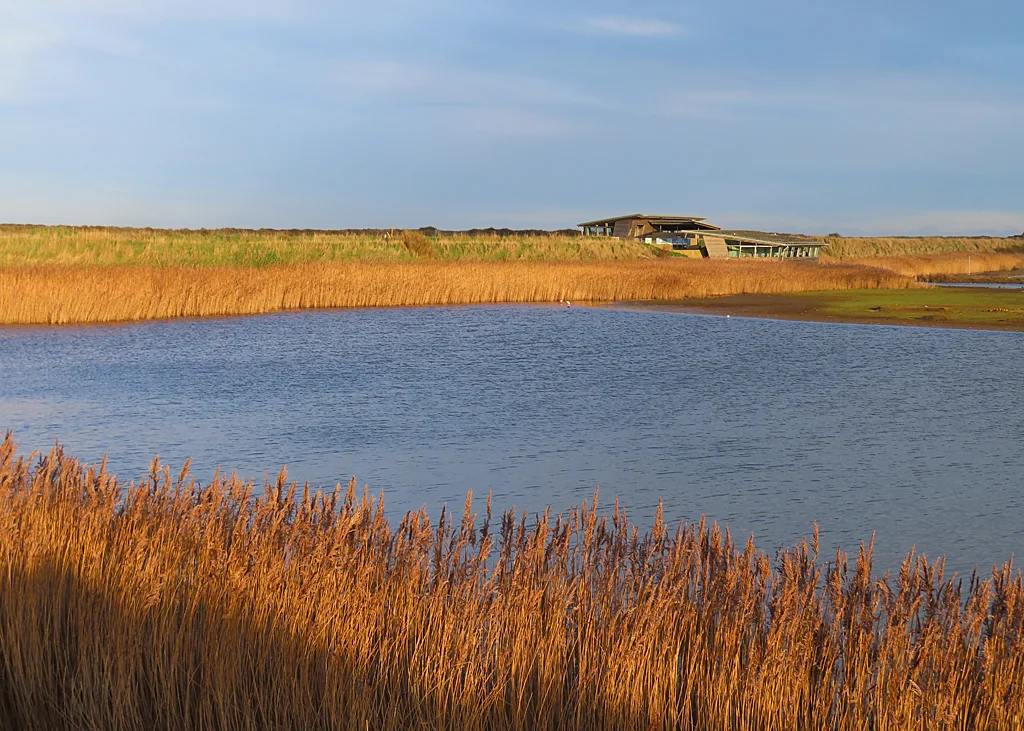
Who this Norfolk birding weekend suits
This three-day plan suits people who enjoy watching flocks, comparing wetland birds and spending time in hides. Beginners can learn a great deal by returning to the same lagoon; experienced visitors can give migration and offshore movement more attention. You need not have a telescope, although it makes distant waterbirds easier to examine. Carry binoculars that you can hold comfortably and choose a few birds to study rather than trying to identify everything moving across the horizon.
October to March is our preferred period for the winter character of the trip. Spring brings a different reason to come, with passage birds and breeding activity; summer favours the reedbeds and freshwater lagoons. Read the month guide before deciding which version appeals. The celebrated wader spectacle at RSPB Snettisham depends on suitable high tides and conditions. Choose travel dates around the operator's tide advice if that is the main reason for coming, then allow the rest of the weekend to move around it.
Day 1: arrive and learn Snettisham
Begin at RSPB Snettisham with sufficient daylight for the walk from the arrival area to the watching places. This is the day to understand the relationship between shore, water and reserve, and to find the official places where you can stand without obstructing other visitors. The strongest moment may occur early or late depending on the tide. Have lunch and warm clothing ready before leaving the car so that a change in bird activity can hold your attention without an unnecessary return journey.
Watch the flock as a whole before choosing an individual bird. Notice the line along which feeding birds retreat, the amount of uncovered ground and how quickly a channel fills. A spectacle can be brief, while the approach to it teaches you more about an estuary. Keep the scheduled tide time beside the actual conditions in your notes. Finish the day without adding a distant reserve simply to lengthen your list; a gentle arrival leaves energy for the fuller day ahead.
Day 2: spend a full day at Titchwell Marsh
Make RSPB Titchwell Marsh the centre of the second day. OSRM returned 28 minutes for the road section between the mapped Snettisham and Titchwell locations, measured on 18 October 2026. Allow additional time for the actual entrances, parking and the walk to a hide. Travel before settling in for a long watch, rather than moving backwards and forwards between the two reserves as reports arrive.
Work outward through the habitats and compare what the birds are doing. Reedbeds reward listening, freshwater margins encourage careful wader study, and the coast invites a wider scan. Give each place time to become familiar. If the beach is uncomfortably exposed, use the sheltered parts of the reserve and return to the sea later if conditions improve. The reserve guide contains current access and facilities; use it to decide how much of the route suits your party. Save the final part of the afternoon for the habitat you enjoyed most instead of feeling obliged to complete every path.
Day 3: repeat a favourite or move east
A repeat visit is our first choice for the final morning. You can test yesterday's identifications and see how a changed water level or wind alters the birds' behaviour. If there is enough time before the journey home, Holkham National Nature Reserve offers a different coastal landscape. Choose a manageable official approach from its guide, keeping any signed restrictions around breeding birds or sensitive dunes firmly within the plan.
For a longer eastward extension, consider NWT Cley and Salthouse Marshes. The measured Titchwell-to-Cley reference-point road journey was 38 minutes on 18 October 2026. That makes Cley a deliberate half-day decision, not a quick extra hide between other commitments. Decide before leaving your accommodation whether this is an extension day or a return day. A family group may prefer a shorter familiar visit, while someone staying another night can give Cley's wetlands a much more comfortable share of attention.
How to do North Norfolk without a car
For a car-free version, concentrate on one coastal base and the reserve with the clearest public-transport approach for your travel dates. King's Lynn is a useful rail arrival point, but the final connection matters more than the name of the nearest station. Follow the transport sections in the Snettisham and Titchwell guides, check the operator's current outward and return services, and compare the walking approach with your own pace and the available daylight.
Do not build a tight sequence around a bus that appears only in an old holiday itinerary. Coastal services and Sunday choices can differ, and an early tide may fall outside usable public transport. A booked taxi may make a single spectacle visit possible, provided the return collection is arranged as well. For a relaxed weekend, drop one stop and spend longer at Titchwell. Accommodation within practical reach of a confirmed bus stop is more helpful than a room described simply as close to the coast.
Tide and weather fallback for the weekend
If the Wash tide falls at an awkward hour, switch the order of the first two days. Use Titchwell's habitat variety for the longer day and Snettisham for the appropriate tide window. Strong onshore wind can make the coast difficult to watch comfortably, even when the walk is technically open. Find a sheltered viewpoint, lower your expectations for distant identification and take warm breaks before cold hands turn using binoculars into an effort.
Cley is a possible alternative when its own access and conditions suit, but changing reserve does not remove a regional weather problem. During severe conditions, shorten the day and spend time reviewing field notes at your base. A second comfortable hour in a hide is often more productive than a hurried journey followed by an exposed walk. Avoid beaches, sea walls or paths affected by overtopping water, and follow local barriers even when an online route still shows a continuous line.
Where to stay for North Norfolk birdwatching
Hunstanton suits a western version built around Snettisham and Titchwell, especially when you want to keep the first tide-led morning local. Our choice is a room that allows a flexible breakfast or packed food, because wildlife timing rarely fits neatly around a long hotel breakfast. Check the actual parking arrangement, access to the room after an evening visit and whether wet boots can be dealt with sensibly.
Brancaster is worth comparing for a Titchwell-centred stay, while Wells-next-the-Sea better suits a longer trip with Holkham and the eastern coast. These are alternative bases, so choose one instead of changing beds during a short weekend. Use the stay searches below to compare location and cancellation terms; no particular property has been inspected for this guide. If travelling by bus, place the confirmed stop and the accommodation entrance on the same map before booking.
What to book and what to leave flexible
Book your room and any reserve event that matters to the trip, then retain room in the daily schedule for the tide and weather. A guided walk can be a good investment for a first visit, particularly if you want help understanding the Wash or separating similar waders. Keep any booking confirmation available offline and distinguish an organised event from ordinary reserve access.
Respect the working rhythm of hides and paths. Move quietly, share the viewing windows and lower your voice when discussing a bird close to the building. Keep dogs within the particular reserve's rules and stay well back from feeding or resting flocks. Add a longer Norfolk holiday only when you have the days to make each additional stop worthwhile.
Other reserves to compare for a longer birding holiday
For a longer Norfolk holiday, compare Blakeney Point as a separate coastal outing, with its own access and trip choice. RSPB Strumpshaw Fen belongs to a different inland day, while NWT Hickling Broad and Marshes offers another Broads option. Read each guide before deciding which habitat deserves the extra time.
RSPB Buckenham Marshes is another reserve to compare when planning that eastern extension. These choices expand the holiday beyond the western coastal weekend: select the additional days first, then choose accommodation and journeys that suit them. A map with every name marked is useful for seeing the alternatives, but the most enjoyable plan still leaves a substantial watch at each chosen reserve.
Reserve guides for this visit
Sources and review
- Confirmed: RSPB Snettisham operator visitor information
- Confirmed: RSPB Titchwell Marsh operator visitor information
- Confirmed: Holkham National Nature Reserve operator visitor information
- Confirmed: NWT Cley and Salthouse Marshes operator visitor information
- Confirmed: Blakeney Point official visitor information
- Confirmed: RSPB Strumpshaw Fen official visitor information
- Confirmed: NWT Hickling Broad and Marshes official visitor information
- Confirmed: RSPB Buckenham Marshes official visitor information
- Confirmed: Blakeney Point boat booking arrangements
- Confirmed: OSRM road estimate measured 18 October 2026 — RSPB Snettisham to RSPB Titchwell Marsh
- Confirmed: OSRM road estimate measured 18 October 2026 — RSPB Titchwell Marsh to NWT Cley and Salthouse Marshes