
EN 93 · RSPB reserve guide
RSPB Haweswater
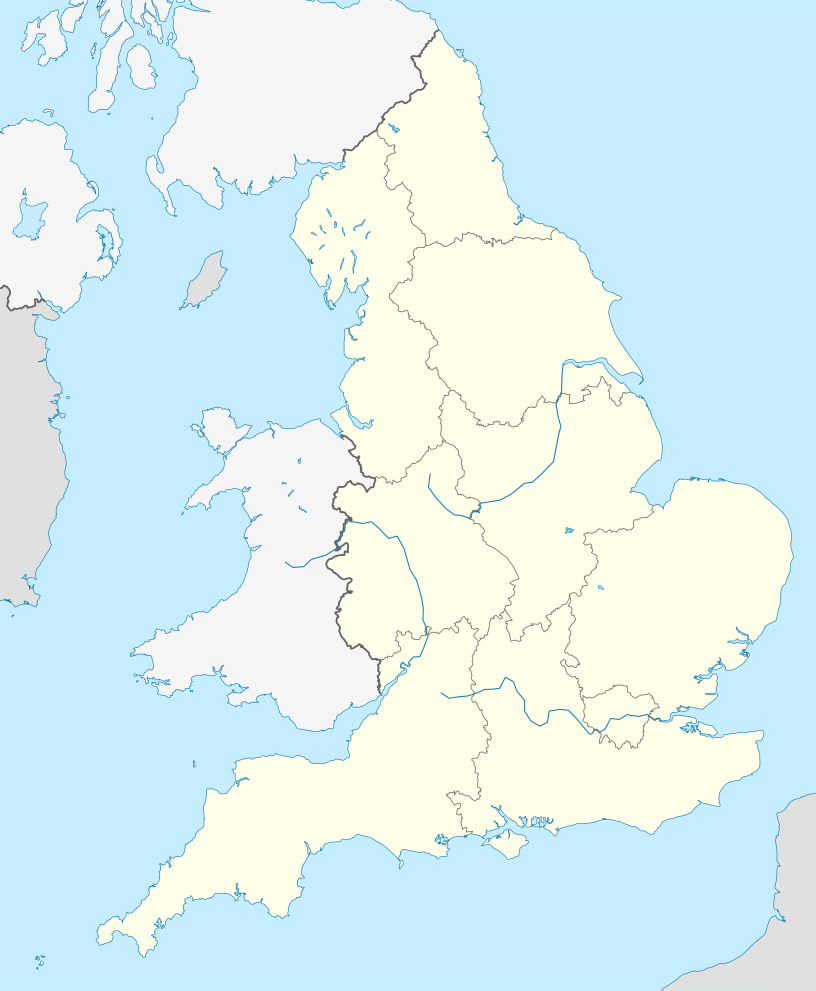
Eastern Lake District, Cumbria
Mountain scenery, woodland wildlife and landscape restoration
Decide if the visit fits.
RSPB Haweswater at a glance
Last checked 18 October 2026.
- Best time
- Spring woodland birds; year-round landscape and booked experiences
- Opening & entry
- Hours, admission and parking: see Entry below.
- Trails & visit length
- Haweswater is a large upland landscape, not a compact reserve with a waymarked bird-hide circuit.
- Accessibility
- The RSPB warns that this is steep, rugged upland terrain with very uneven ground and physically demanding paths.
- Facilities
- The reserve has no visitor centre, café or shop, and staff are not routinely present to welcome casual arrivals.
- Dogs
- Dogs are welcome on public footpaths and bridleways when kept under close, effective control.
- Public transport
- Penrith is the closest main railway gateway identified by the RSPB, about 14 miles from Haweswater.
Reserve overview
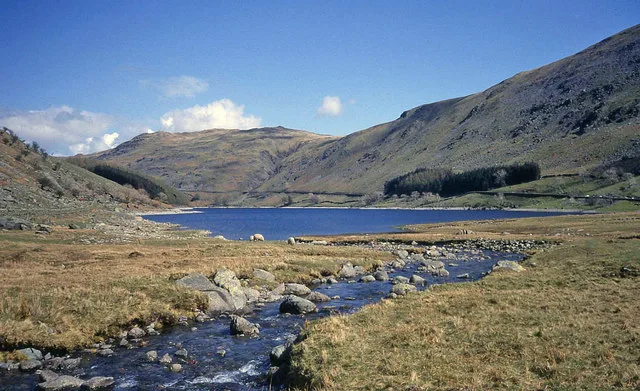
RSPB Haweswater reserve and habitat
Mountain scenery, woodland wildlife and landscape restoration
Eight checks for a smoother visit.
Planning your visit to Haweswater
Conditions change: check the operator and transport notices before travelling.
Haweswater best time to visit and seasonal birds
Jan–Feb: usually a landscape-led visit, with Red Squirrels and resident woodland birds worth watching from public paths in Naddle woodland during a calm morning. Snow, ice and short daylight can make high ground inappropriate, so choose a modest route rather than treating winter as a quiet version of summer. Mar–Apr: listen for increasing woodland song in the morning and watch open upland country from existing rights of way. Ring Ouzels typically return in spring, but keep all sightings incidental and do not search for nesting areas. May–Jun: normally the best combination of fresh woodland activity and mountain birds. Start early on a suitable public route, looking for common woodland species before broad scans of the hills; Ring Ouzel is an operator-listed interest, not a guaranteed encounter. Observe from a distance and move on if a bird becomes alarmed. Jul–Aug: in suitable warm weather the upland landscape also supports butterflies, including the operator-listed Mountain Ringlet. Midday can favour insects while birds are quieter. Keep to established public routes and avoid turning a butterfly search into an unplanned high-level excursion. Sep–Oct: morning visits to the woodland and reservoir-side public paths usually offer autumn colour, Red Squirrels and mixed small-bird activity. A booked badger-hide experience is a separate evening possibility when the operator advertises sessions. Nov–Dec: favour a short daylight outing, checking low woodland cover for tits and other resident birds before enjoying the reservoir view. Enjoy the whole restoration landscape and allow woodland calls to set the pace between longer views over the water. The project is also worth considering beyond birdwatching: the relationship between grazing, woodland recovery and drinking-water catchments is visible across the broader landscape. Enjoy these changes from legitimate public routes, without entering farms, nurseries or other working areas that require a separate invitation or booking.
RSPB Haweswater opening times, entry and facilities
Checked 18 October 2026, the RSPB lists free reserve admission for adults and children, with a suggested £2 parking donation at the donation cairn. The reserve and main Mardale Head car park are shown as open 24 hours. Specialist experiences, including the badger hide, require advance booking and carry their own booking conditions. The published address uses Naddle Farm, while the RSPB's visitor directions identify Mardale Head as the main visitor car park; decide which you need before driving along the reservoir. This distinction matters for an event meeting point. Check Wild Haweswater and the RSPB updates before travel for event arrangements, access conditions and any temporary restrictions.
Haweswater trails, hides and visit length
Haweswater is a large upland landscape, not a compact reserve with a waymarked bird-hide circuit. The RSPB says it does not manage the paths and directs walkers to the public rights of way shown on Ordnance Survey maps. Its partnership with United Utilities includes woodland restoration, farming and water management, so keep gates usable and respect working areas. Mardale Head is a natural start for a reservoir-and-mountain outing; Naddle is a different place associated with the project's activities. Do not join them into an ambitious walk without checking the map, conditions and your own ability. A 2-hour plan should remain deliberately modest: select a short out-and-back on a mapped public route near your chosen arrival point, allow frequent stops to listen and scan, and return while there is still ample daylight. This gives a useful impression of the landscape without committing to a fell ascent. A full-day plan can follow a longer mapped public route appropriate to your mountain experience, with lunch and reserve time built into the schedule. On a poor-weather day, shorten the walk and use a prebooked official experience on another date instead. The badger hide is the operator's formal bookable viewing experience; there are no other formal viewpoints listed on the facilities page. Avoid pursuing scarce birds across open slopes, and never turn old eagle stories into directions towards a potential breeding site. Use distant binocular views, leave livestock undisturbed and let the landscape rather than a target list determine the day's pace. A good birdwatching day here is often built around listening stops rather than a long species list. In woodland, wait for several minutes before deciding it is quiet; in open country, scan the whole hillside from an established path rather than moving towards a single distant bird. Carry a paper map as well as any downloaded navigation, and identify the point at which the weather would make turning back the sensible choice. An extra layer and food are useful even on a short route because standing still to watch wildlife cools you faster than continuous walking.
Haweswater accessibility and step-free routes
The RSPB warns that this is steep, rugged upland terrain with very uneven ground and physically demanding paths. There is no basis for describing the general walking network as wheelchair- or pushchair-accessible. Even a short route needs individual assessment of surface, gradients and the point at which it is safe to turn back. A view from beside a vehicle can offer a different kind of visit, but stopping places must remain safe and must not block the narrow reservoir road. For a booked hide experience, discuss the specific transfer, entrance, seating and any assistance required directly with Wild Haweswater before buying a ticket; a comfortable hide interior does not establish that its approach suits everyone. People with fatigue, balance or visual impairments should choose a route with a companion who understands those needs and carry enough equipment to remain comfortable if progress is slow. Mobile reception and weather cannot substitute for an agreed return plan. The team invites enquiries about individual visits and is better placed to advise on current practical options.
Haweswater visitor facilities
The reserve has no visitor centre, café or shop, and staff are not routinely present to welcome casual arrivals. Bring food and sufficient water for the walk you choose. There are no public toilets or baby-changing facilities on site; the RSPB directs visitors towards Shap, about ten miles away. Specialist hides and accommodation advertised by Wild Haweswater are booked services rather than general drop-in facilities. Carry waterproof layers, a map and a charged phone, and take rubbish home.
Haweswater dog rules
Dogs are welcome on public footpaths and bridleways when kept under close, effective control. This is working farm country with sheep, cattle and ponies as well as wildlife, so use a lead whenever necessary and follow signs. Visitors with assistance dogs are welcome at RSPB Haweswater. Keep all dogs away from waterbird gatherings and remove waste.
Haweswater public transport and getting there
Penrith is the closest main railway gateway identified by the RSPB, about 14 miles from Haweswater. The reserve travel page mentions an occasional car-park bus without giving a current route number or timetable. That is insufficient to build a dependable connection around, so the realistic rail-based option is a prebooked taxi from Penrith with the return agreed in advance. Specify Mardale Head for the general walking car park, or the exact meeting point supplied for a booked Naddle event. Do not use the Naddle postal address as though it were automatically the start of every activity. A stay in Penrith can simplify the rail arrival, while a local accommodation provider may be able to help arrange a licensed taxi. For driving, the official approach comes from the M6 and Shap, followed by the winding reservoir road; leave time for a careful final approach.
Useful bases for an early start.
Where to stay near Haweswater
Booking.com links are affiliate links: we may earn a commission at no extra cost to you. How these links work.
- 01
Penrith
About 15.5 miles by road, roughly 23 minutes’ drive to the reserve arrival point (OSRM, measured 18 October 2026; estimate without live traffic).
Measured driving route · 18 October 2026. Map estimates exclude live traffic.
Rail arrival and eastern Lake District outingsFind places to stay in Penrith on Booking.com - 02
Shap
About 10.1 miles by road, roughly 13 minutes’ drive to the reserve arrival point (OSRM, measured 18 October 2026; estimate without live traffic).
Measured driving route · 18 October 2026. Map estimates exclude live traffic.
A village base for the Haweswater approachFind places to stay in Shap on Booking.com - 03
Pooley Bridge
About 13.4 miles by road, roughly 19 minutes’ drive to the reserve arrival point (OSRM, measured 18 October 2026; estimate without live traffic).
Measured driving route · 18 October 2026. Map estimates exclude live traffic.
An Ullswater base for a wider Lakes stayFind places to stay in Pooley Bridge on Booking.com
Haweswater official sightings, safety and contact
For visit advice contact haweswater@rspb.org.uk or the RSPB's published Haweswater telephone number, 01931 713376. Use the Wild Haweswater website for the particular hide session, guided activity or accommodation being booked. State the meeting point and your intended route when asking a practical question, since the project covers a large area. Report access problems or sensitive wildlife information privately, giving enough detail for the team without posting precise breeding locations online.
Best months for this reserve
Nearby complete guides.
Bird reserves near Haweswater
Stops with a purpose: use one as a contrasting habitat or weather-proof Plan B. Distances are straight-line estimates, not road journeys.
- About 22 miles away · A useful habitat changeRSPB Leighton MossSpring · rewarding year-round
- About 27 miles away · A useful habitat changeRSPB HodbarrowMay–July terns; winter lagoon wildfowl
- About 27 miles away · A useful habitat changeRSPB Hest Bank at Morecambe BayAutumn and winter waders; passage birds in spring and late summer