
Collections · Practical UK birdwatching
UK reedbed reserves: where to begin
Choose reedbed reserves by season, region and style of visit, from a patient first watch to a longer wetland holiday.
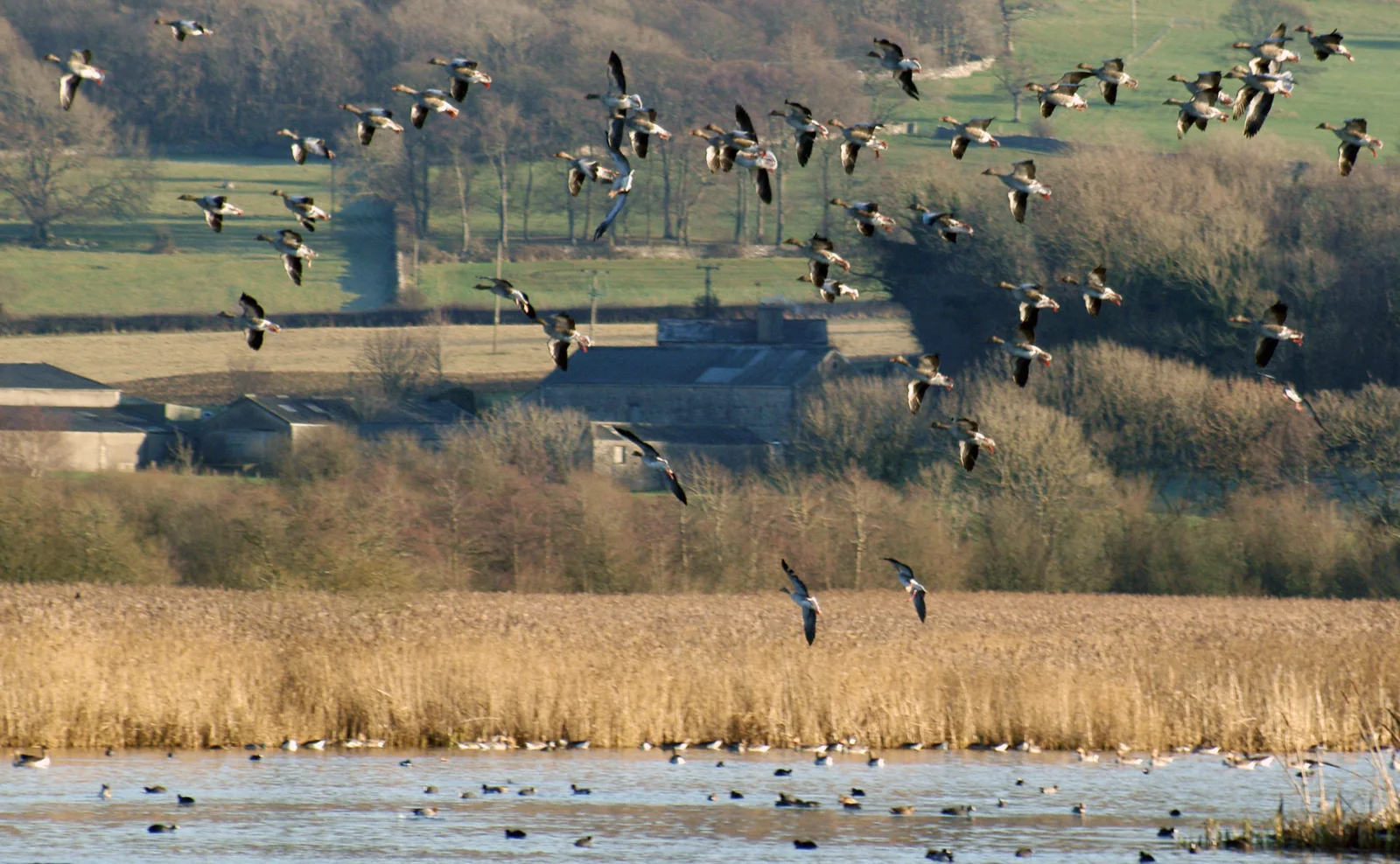
Where to go birdwatching in UK reedbeds
Choose a reedbed with more than one way to enjoy the day: open pools, a comfortable viewpoint and an interesting walk make patience easier. Our choice for an introduction with varied habitats is RSPB Minsmere; for arriving by train, start with RSPB Leighton Moss. A reedbed visit works best when you enjoy listening and watching small changes, rather than expecting a procession of birds in full view.
The reed surface hides much of the activity. Your first task is to find useful boundaries: an open channel, an island edge, a gap in vegetation or a stretch of sky above the reeds. Spend time on each before moving. A bird glimpsed briefly may become easier to understand if you remember where it went and wait for its next movement. Resist the urge to walk faster simply because the landscape looks uniform.
Which season is best for a reedbed visit?
Spring typically brings the richest soundscape, with resident birds joined by returning migrants. Begin by listening from a public path and separating nearby calls from sounds further across the water. Late summer and autumn favour patient observation of edges and passing birds; winter often shifts attention to wildfowl, open water and the changing evening scene. Pick the experience you want before choosing the date.
Calm conditions can make listening and noticing small reed movements easier. On a windy day, use sheltered pools and look for birds crossing open channels. Overcast conditions can still be rewarding, especially when glare would otherwise make a viewpoint difficult. Keep the final part of a winter visit close enough to the exit for a comfortable return. Roost watching belongs at the official viewing places identified by reserve staff.
Eastern England: choose variety or a focused reedbed day
RSPB Minsmere, RSPB Strumpshaw Fen, NWT Hickling Broad and Marshes and Lakenheath Fen provide a strong eastern shortlist. Match your choice to whether you want a varied reserve circuit or a day largely spent studying wetland edges. RSPB Fen Drayton Lakes and Wicken Fen add further ways to explore fenland landscapes. Keep boat bookings and individual trail arrangements in the linked guides rather than assuming that every area is freely accessible.
For a smaller-scale visit compare RSPB Fowlmere, Lackford Lakes and Carlton Marshes Nature Reserve. The best choice can be the place you can revisit easily, particularly while learning calls. Oare Marshes Nature Reserve, Elmley National Nature Reserve, RSPB Northward Hill and RSPB Pulborough Brooks suit a broader wetland plan in which reed edges are part of the day. Read the habitat mix before setting off for one particular bird.
Northern England and the Midlands: make time to sit
RSPB Leighton Moss, RSPB Saltholme and RSPB Dearne Valley – Old Moor make useful starting points when you want an organised reserve visit. Compare them with RSPB Fairburn Ings and RSPB St Aidan's according to your base and appetite for walking. Our advice is to choose one main reserve and watch it carefully, rather than using a short stay to move rapidly between several wetland names.
Brockholes Nature Reserve, Far Ings National Nature Reserve, Potteric Carr and Attenborough Nature Reserve widen the regional choice. Middleton Lakes, Sandwell Valley, Brandon Marsh Nature Reserve and RSPB Langford Lowfields are further options for combining reed edges with other habitats. Use each guide to compare the approach and route before inviting a beginner: a comfortable first viewpoint matters more than the length of the species list.
Southern reedbeds and the Avalon Marshes
For a Somerset stay compare RSPB Ham Wall, Shapwick Heath National Nature Reserve and RSPB Greylake. The first two are particularly useful for building an unhurried marshes holiday, while Greylake provides a different wetland perspective. Choose the day around weather and available light rather than trying to include every reserve. If an evening spectacle interests you, follow the current official viewing arrangements and allow time to leave without rushing.
On the south coast, RSPB Radipole Lake, RSPB Lodmoor, Titchfield Haven National Nature Reserve, RSPB Exminster and Powderham Marshes and RSPB Marazion Marsh offer different combinations of reeds, pools and coastal context. Radipole is our choice for someone who likes the idea of finding wetland life within a town. Compare its compact urban setting with the wider landscape of the other options before choosing your route.
Reedbeds in Wales and a closure to check
Cors Dyfi Nature Reserve and Dyfi Wildlife Centre, RSPB Newport Wetlands, Teifi Marshes Nature Reserve and RSPB Valley Wetlands give Welsh visitors several ways to build a wetland day. Decide whether you want a particular managed viewing experience, a broad reserve walk or a shorter local visit. Reserve-specific seasonal opportunities belong alongside the access arrangements in each guide; use those details to shape a realistic visit.
RSPB Rye Meads remains in this collection because its reedbeds are relevant, but its access changes shortly. The RSPB states that it closes from 2 November 2026 and expects it to reopen later under Thames Water management. Choose another reserve for a trip after that date until a reopening is officially confirmed. A familiar railway connection alone is insufficient reason to assume a reserve is available.
How to find birds in a reedbed
Start by standing still long enough to hear separate layers of sound. Look across the open water with the naked eye before lifting binoculars, then inspect the reed margin slowly. Keep a fixed landmark beside any fleeting movement so you can find the same patch again. After scanning one area, lower the binoculars and watch the whole scene: a crossing bird may be easier to notice without a narrow field of view.
If a bird stays hidden, write down what you actually heard or saw. A direction, a short description of the sound, the height of movement and the habitat can all help later. Avoid turning an uncertain glimpse into a confident name because a target species is known from the reserve. Ask a volunteer about ordinary viewing opportunities and identification clues, then continue watching from the public route.
A rewarding reedbed day with fewer targets
Our recommended plan is one main circuit with two generous pauses, followed by a return to the most promising viewpoint. Take a drink and enough clothing to sit comfortably. A bench or hide becomes useful only if you give yourself permission to stop there. For a mixed group, agree in advance that a quiet spell is part of the experience and keep the route short enough for everyone.
Read about Bitterns and Bearded Tits before travelling, but leave room for the less celebrated birds sharing the same margins. The reedbed habitat guide explains the setting; the fieldcraft lesson helps you search it; the Somerset winter trip gives a regional itinerary. Leave reeds and banks undisturbed, follow path closures and keep sensitive locations out of public reports. The best evidence of a successful day is that you noticed more by the end than at the beginning.
Reserve guides for this visit
Sources and review
- Confirmed: RSPB Minsmere — operator visitor guidance
- Confirmed: RSPB Leighton Moss — operator visitor guidance
- Confirmed: Cors Dyfi Nature Reserve and Dyfi Wildlife Centre — operator visitor guidance
- Confirmed: RSPB Saltholme — operator visitor guidance
- Confirmed: RSPB Dearne Valley – Old Moor — operator visitor guidance
- Confirmed: RSPB Fairburn Ings — operator visitor guidance
- Confirmed: RSPB St Aidan's — operator visitor guidance
- Confirmed: RSPB Strumpshaw Fen — operator visitor guidance
- Confirmed: NWT Hickling Broad and Marshes — operator visitor guidance
- Confirmed: Lakenheath Fen — operator visitor guidance
- Confirmed: RSPB Fen Drayton Lakes — operator visitor guidance
- Confirmed: RSPB Pulborough Brooks — operator visitor guidance
- Confirmed: Oare Marshes Nature Reserve — operator visitor guidance
- Confirmed: Elmley National Nature Reserve — operator visitor guidance
- Confirmed: RSPB Rye Meads — operator visitor guidance
- Confirmed: Brockholes Nature Reserve — operator visitor guidance
- Confirmed: Far Ings National Nature Reserve — operator visitor guidance
- Confirmed: Potteric Carr — operator visitor guidance
- Confirmed: Attenborough Nature Reserve — operator visitor guidance
- Confirmed: Middleton Lakes — operator visitor guidance
- Confirmed: Sandwell Valley — operator visitor guidance
- Confirmed: RSPB Exminster and Powderham Marshes — operator visitor guidance
- Confirmed: RSPB Radipole Lake — operator visitor guidance
- Confirmed: RSPB Lodmoor — operator visitor guidance
- Confirmed: RSPB Northward Hill — operator visitor guidance
- Confirmed: Carlton Marshes Nature Reserve — operator visitor guidance
- Confirmed: RSPB Greylake — operator visitor guidance
- Confirmed: RSPB Marazion Marsh — operator visitor guidance
- Confirmed: Titchfield Haven National Nature Reserve — operator visitor guidance
- Confirmed: RSPB Fowlmere — operator visitor guidance
- Confirmed: Wicken Fen — operator visitor guidance
- Confirmed: Brandon Marsh Nature Reserve — operator visitor guidance
- Confirmed: Lackford Lakes — operator visitor guidance
- Confirmed: RSPB Langford Lowfields — operator visitor guidance
- Confirmed: RSPB Valley Wetlands — operator visitor guidance
- Confirmed: RSPB Ham Wall — operator visitor guidance
- Confirmed: Shapwick Heath National Nature Reserve — operator visitor guidance
- Confirmed: RSPB Newport Wetlands — operator visitor guidance
- Confirmed: Teifi Marshes Nature Reserve — operator visitor guidance