How we research
Every guide is built from the official pages linked on it. AI tools help us draft; we check each fact against its source and date the check.
Where our information comes from
Reserve operators are our starting point for opening times, admission, parking, facilities and access restrictions. Their visitor pages, dated notices and booking calendars describe different parts of a visit. We link to those sources so you can check an arrangement before travelling. Seasonal bird information is a planning aid, rather than a promise that a bird will be present.
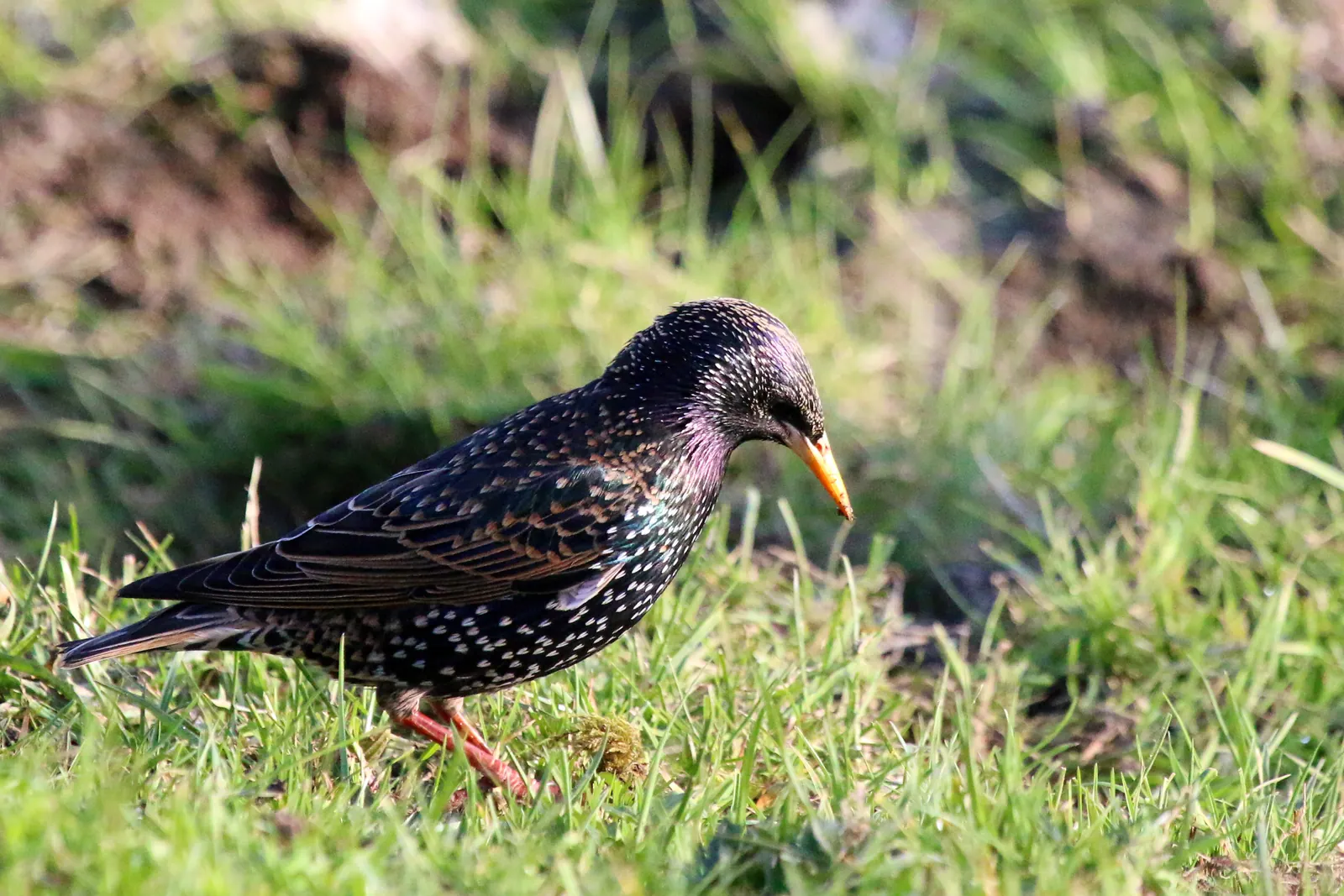
Maps and journey estimates use open data, including OpenStreetMap and OSRM routing. Location searches use postcodes.io. These tools help describe destinations and journeys; they do not establish permission to enter land or replace an operator’s arrival instructions. Photographs drawn from Wikimedia Commons carry the photographer’s credit and licence beside the image. A species photograph does not establish a sighting at the reserve.
How AI is used
We research each page from the sources linked on it, using AI tools to help draft and organise, and check facts against those sources before publishing. This brings practical details into a consistent guide, but the supporting source remains the evidence. The AI role is disclosed because readers should be able to judge the process behind the words.
AI helps with drafting and organisation; it does not visit a reserve or test a pair of binoculars. Equipment guidance separates published specifications and editorial reasoning from hands-on testing. Read about the publisher for the ownership, independence and wildlife-information policies behind the site.
How we check facts
Checks follow the claim back to its source. For a visit, that means distinguishing an ordinary opening calendar from a special event, and an admission charge from a parking charge. We retain the date and scope of the information instead of treating one figure as valid for every season or visitor.
When official pages disagree, we explain the disagreement and identify the page or date-specific calendar a visitor needs. We do not fill an information gap with an estimate presented as fact. The Snettisham guide shows how seasonal advice, parking and published spectacle dates need separate treatment. Current operator notices still take priority when you plan a visit.
What the dates mean
Published identifies the earliest publication or build date recorded for that page. Where the original publication date is absent, it means the earliest appearance we can establish in the site’s saved records. Last checked identifies the existing content or source-review date; it is not renewed merely because wording, a link or a shared template changes.
Source dates can differ within a guide because opening times, bird seasons and transport are separate checks. Measured drive times describe a recorded route estimate, with its measurement date and endpoints. They are not live traffic predictions and do not include an island crossing unless that journey is explicitly described. A later review deadline schedules another check; it does not claim a new one has happened.
What we don't do
We do not claim visits, hands-on product tests or reader reviews that have not taken place. We do not invent prices, timetables, sightings or a reliable place to see a scarce bird. Public reports do not grant access to private land, and sensitive wildlife information must not expose vulnerable birds or their nesting places.
Commercial links do not determine whether a destination suits your needs. Our affiliate disclosure explains the current arrangement. Our accessibility statement records the aim and known limitations rather than claiming that every page has passed a full assessment.
Corrections
Use contact and corrections to send the page URL, the detail that needs attention and a reliable source. Include a date when it affects the correction, and distinguish a temporary notice from an enduring change. Please avoid sending precise sensitive-species locations. A report helps us investigate; it does not by itself establish that the published information should change.