
EN 42 · RSPB reserve guide
RSPB The Lodge
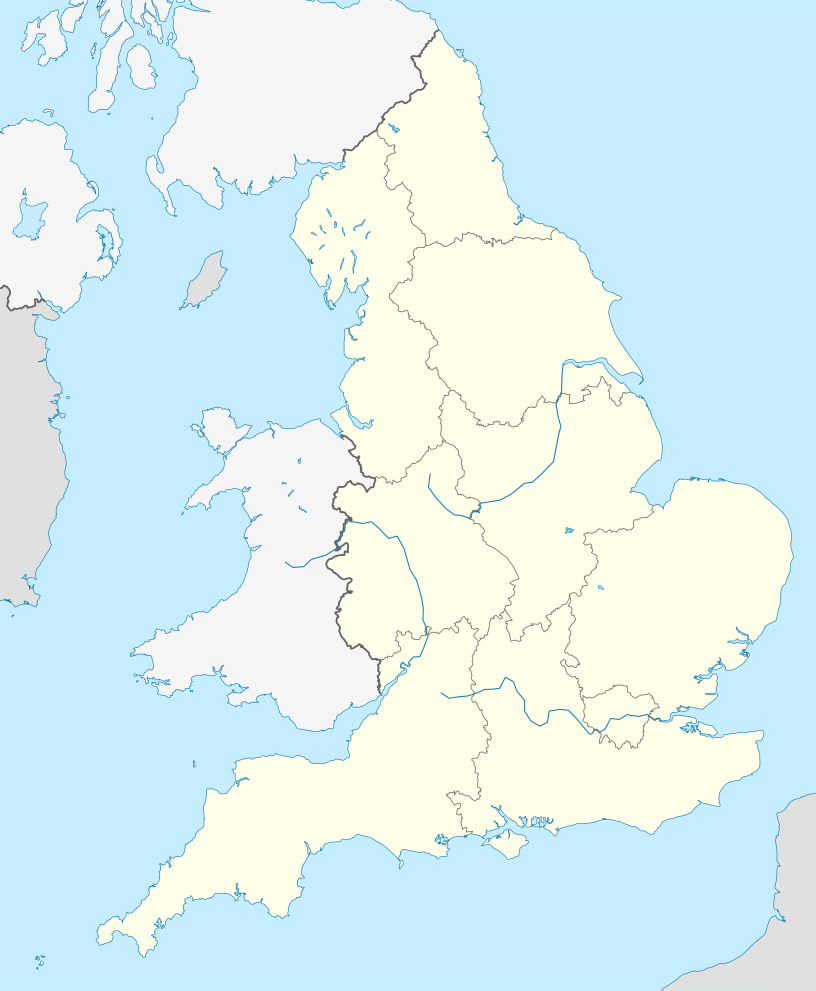
Sandy, Bedfordshire, England · SG19 2DL
Hobby, Nightjar, Raven, Spotted Flycatcher
Decide if the visit fits.
RSPB The Lodge at a glance
Last checked 18 October 2026.
- Best time
- Spring woodland song, summer heathland and winter thrushes
- Opening & entry
- Hours, admission and parking: see Entry below.
- Trails & visit length
- The current trail map offers several distinct walks rather than a single circuit.
- Accessibility
- The route between the visitor centre, Lodge house and gardens is described as broadly level but uneven in places.
- Facilities
- The café, shop, picnic area and garden make it easy to combine birdwatching with a relaxed break.
- Dogs
- The current trail map welcomes short-lead dogs on the Restoration Trail, bridleway, café and shop.
- Public transport
- Sandy railway station is the straightforward car-free approach.
Reserve overview
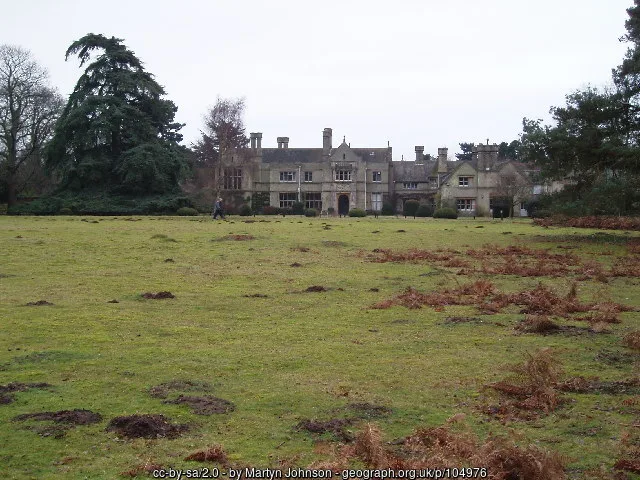
RSPB The Lodge reserve and habitat
Hobby, Nightjar, Raven, Spotted Flycatcher
Eight checks for a smoother visit.
Planning your visit to The Lodge
Conditions change: check the operator and transport notices before travelling.
The Lodge best time to visit and seasonal birds
The Lodge combines Bedfordshire heathland with oak and birch woodland, gardens and farmland. Choose it for a varied walking day, listening as much as looking. Summer brings the Hobbies and Spotted Flycatchers highlighted by the RSPB, while winter flocks make the grasslands worth revisiting. The paired months below describe typical seasonal opportunities, with suggested watching times rather than a list of promised sightings. Jan–Feb: begin in the gardens and nearby woodland in the morning, then scan grassland for the winter thrushes described by the operator. Leafless trees usually make woodland birds easier to follow. The Restoration Trail adds a farmland perspective if you have enough daylight and are equipped for the route. Mar–Apr: give the woodland an early-morning session for song and drumming woodpeckers. Watch quietly from the public paths rather than following calls into cover. The Hillfort Trail gives a different outlook across recovering heath, with Ravens and Buzzards possible overhead. A second look from the same viewpoint can be more useful than constantly moving. May–Jun: concentrate on woodland edges for Spotted Flycatchers and open heath for Hobbies, particularly once flying insects become active. The RSPB identifies breeding Nightjars, but seeing a sensitive breeding species does not justify leaving paths or extending a visit beyond permitted hours. Use official events if you want guided evening watching. Jul–Aug: a morning circuit through woodland and gardens gives shade before a longer heathland watch. Hobbies usually hunt flying insects in warm conditions; scanning from a viewpoint can be productive later in the day. The quarry area also offers a chance of the Sand Martins identified in the reserve description. Sep–Oct: revisit woodland edges and the gardens in the morning for mixed flocks, then spend time around the heath. Typically, autumn combines quieter birds with conspicuous fungi and changing leaves. The short seasonal path across the new heath is mapped for October–December, so use the current waymarking to decide the circuit. Nov–Dec: look across the farmland and acid grassland for winter thrushes, returning to sheltered woodland if conditions are windy. A morning start leaves time to enjoy a longer pause at the gardens. Short days favour a smaller route with several listening stops rather than a late dash round the boundary.
RSPB The Lodge opening times, entry and facilities
Checked on 18 October 2026: reserve admission is free for adults and children. The RSPB charges page lists non-member parking at £7.50, with free parking for members and Blue Badge holders. Ordinary day visits do not require advance booking. Keep the parking charge separate from any paid event ticket when budgeting. The October 2026 calendar lists the reserve as dawn–dusk, parking and toilets 7am–7pm, café 10am–4pm and shop 9.30am–5pm. The facilities page instead describes toilet opening as 10am–4pm and weekend café hours as 9.30am–4.30pm. These official pages conflict; plan essential facilities within the shorter period and confirm directly if an earlier or later visit depends on them. Check the operator’s current notices before travelling, including any seasonal restrictions or changes to public opening.
The Lodge trails, hides and visit length
The current trail map offers several distinct walks rather than a single circuit. Hillfort Trail is 2.5km, Old Quarry Trail 3km, Turbine Trail 2.2km, Restoration Trail 4.8km and Boundary Trail 5km. Some lengths differ from the facilities page, which still gives shorter mileage for Old Quarry and a longer Turbine route; use the downloadable map and on-site signs to match the route you actually follow. Hillfort Trail is the obvious choice for heathland outlooks; Old Quarry adds woodland and a southern view, while Restoration Trail leads through fields and towards the restored quarry. The garden route provides a quieter alternative close to the buildings. This is primarily a walk-and-listen reserve: settle at a public viewpoint, watch woodland edges and allow birds to reveal themselves through movement. A named hide mentioned in facilities text should not be assumed to be the focus of every current mapped walk. Two-hour plan — our suggested introduction: spend most of the session on Hillfort Trail, pausing to scan the heath and listen in adjoining woodland. Use the remaining time around the gardens rather than adding another complete trail. Binoculars are more useful here than trying to carry excessive equipment over every route. Full-day plan — our recommendation: make a morning woodland and garden circuit, pause for lunch, then choose Hillfort or Restoration Trail for the afternoon. Select the second walk according to light, weather and your energy. Return to a productive viewpoint for a final quiet session instead of pursuing every bird you hear. Keep to permitted routes, leave nesting areas undisturbed and make space for other visitors on narrow paths.
The Lodge accessibility and step-free routes
The route between the visitor centre, Lodge house and gardens is described as broadly level but uneven in places. Other paths are more demanding, so the reserve’s attractive woodland scenery should not be read as an assurance of an accessible circuit. The current map lists Hillfort Trail with gradients up to 11% and no steps; Old Quarry reaches 18% with 224 steps, and Turbine reaches 15% with 18 steps. Those measurements belong to the mapped trails, not the garden approach. The main parking area has three Blue Badge spaces around 50m from the Gatehouse. A second parking area has five accessible spaces and an informal drop-off by the café ramp. Its approach uses a plastic gravel-grid path. The visitor centre has ramped entry and the café has shallow ramps, while an accessible toilet is available beside the shop and another at the café. Seating is distributed around the reserve. Ask the team which surfaces and gradients suit your mobility equipment before committing to a longer route, and use the access map to plan a turnaround point. Tree roots, steps and undulating sandy sections can make an apparently short woodland walk considerably harder than its distance suggests.
The Lodge visitor facilities
The café, shop, picnic area and garden make it easy to combine birdwatching with a relaxed break. The shop offers wildlife books and optical equipment as well as refreshments, and binocular hire is available. Toilets and baby-changing provision are provided near the shop and café. A natural play area gives families another stop between woodland walks. Bring your own lunch for the designated picnic area, and take any food packaging away before returning to the paths.
The Lodge dog rules
The current trail map welcomes short-lead dogs on the Restoration Trail, bridleway, café and shop. The facilities page still refers to a Skylark Trail and excludes pets from the visitor centre. Follow the current mapped dog route and signs, and contact the reserve beforehand if your planned indoor stop is essential. Visitors with assistance dogs are welcome at RSPB The Lodge, including throughout its visitor routes.
The Lodge public transport and getting there
Sandy railway station is the straightforward car-free approach. The RSPB gives a distance of 0.9 mile, or 1.4km, from the station to the reserve entrance and describes an uphill walk along Potton Road. Turn towards the road from the station, cross the bridge and continue up the hill, using the paved footpath or the signed nature trail where suitable. Choose footwear for the onward walking you intend to do, not simply the station approach. The reserve directions name the nearest bus stop as Sandy railway station, so rail followed by walking avoids inventing a doorstep bus connection. Use the rail operator’s Sandy station information and journey planner for your departure point and day, particularly for weekend engineering work. A pre-booked taxi can provide the last leg if the uphill approach is unsuitable. Drivers arriving from town should follow the B1042 Potton Road to the RSPB-signed entrance.
Useful bases for an early start.
Where to stay near The Lodge
Booking.com links are affiliate links: we may earn a commission at no extra cost to you. How these links work.
- 01
Sandy
About 1.3 miles by road, roughly 3 minutes’ drive from the town-centre map point (OSRM estimate measured 18 October 2026, without live traffic).
Measured driving route · 18 October 2026. Map estimates exclude live traffic.
Sandy is the closest of these three town bases for RSPB The Lodge.Find places to stay in Sandy on Booking.com - 02
Biggleswade
About 4.5 miles by road, roughly 8 minutes’ drive from the town-centre map point (OSRM estimate measured 18 October 2026, without live traffic).
Measured driving route · 18 October 2026. Map estimates exclude live traffic.
A base in Biggleswade suits a longer break that includes RSPB The Lodge.Find places to stay in Biggleswade on Booking.com - 03
Bedford
About 9.9 miles by road, roughly 19 minutes’ drive from the town-centre map point (OSRM estimate measured 18 October 2026, without live traffic).
Measured driving route · 18 October 2026. Map estimates exclude live traffic.
A base in Bedford suits a longer break that includes RSPB The Lodge.Find places to stay in Bedford on Booking.com
The Lodge official sightings, safety and contact
The reserve email is thelodgereserve@rspb.org.uk. The current RSPB page lists 01767 693333 for the shop and 01767 680551 for headquarters; explain that your question concerns visiting the nature reserve. Send specific access or group requirements in advance, with the intended date and the route or facility you need. The visitor address is The Lodge nature reserve, Gatehouse, The Lodge, Sandy, SG19 2DL. Book guided activities through the RSPB’s own events listings and use the meeting instructions supplied with the ticket.
Best months for this reserve
Nearby complete guides.
Bird reserves near The Lodge
Stops with a purpose: use one as a contrasting habitat or weather-proof Plan B. Distances are straight-line estimates, not road journeys.
- About 9 miles away · A useful habitat changePaxton Pits Nature ReserveLate April–June birdsong; winter waterbirds; summer dragonflies
- About 12 miles away · A useful habitat changeGrafham WaterWinter ducks and grebes; spring woodland song; autumn migration
- About 14 miles away · A useful habitat changeRSPB FowlmereAll year; spring song and winter Reed Buntings