
UK birdwatching calendar
August birdwatching in the UK
August is our choice for learning passage waders: summer weather can overlap with birds already travelling south. Choose shallow wetlands and estuaries, give unfamiliar plumages time, and build the day around feeding conditions.
What changes in the birding year in August
August often looks summery to people while birds are already moving through another season. Waders typically begin their southbound journeys before many woodland migrants, and a coastal pool can bring together birds at quite different stages of their year. Our recommendation is to start with a wetland where you can compare several individuals in one view. That offers a more useful introduction to autumn migration than spending the day expecting something exceptional to appear in every patch of scrub.
Swift departures and duck moult give August two particularly recognisable changes. The RSPB highlights Swifts preparing to leave for Africa and male Mallards in brown eclipse plumage after breeding. Our suggestion is to look for both close to home before travelling: listen for the change in familiar skies, then spend time at a public wetland comparing duck bills and body shapes. A brown duck is not automatically a female, and a familiar place can teach that lesson better than a distant rarity report.
The quieter sound of woodland also changes how to watch. Listen for short contact notes, stop where a group is feeding and follow movement through a limited area instead of hurrying along a whole trail. Young birds can look unfamiliar, particularly when their adult features are still developing. Describe what you actually see before naming it. An honest note about an uncertain juvenile is more valuable than a confident identification built on a fleeting impression.
A family holiday needs a different rhythm from a specialist migration trip. Choose one main observation session, somewhere comfortable for a break and an optional second view. August can still bring heat, busy roads and tired children. A short, absorbing watch usually beats a long circuit undertaken simply because the path continues. Let the weather and your companions determine the length, and reserve enough enthusiasm for a return visit later in the month.
Where to see passage waders in August
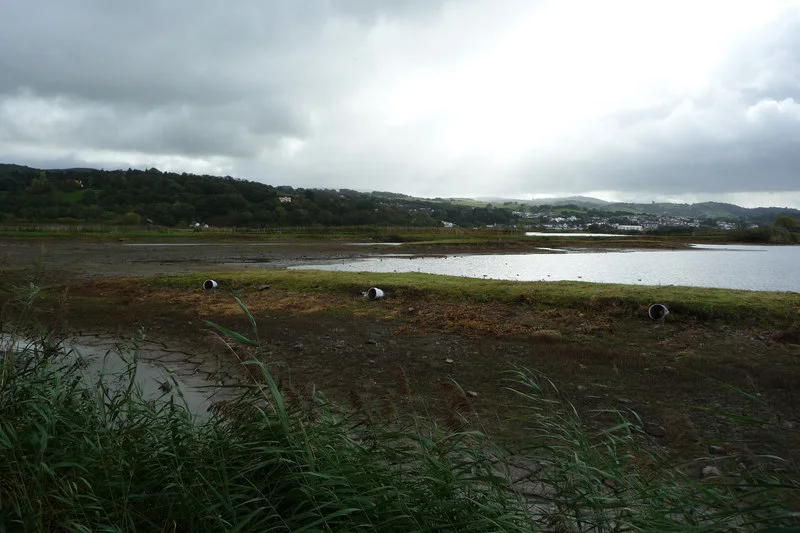
RSPB Conwy is a particularly useful Welsh starting point because its operator describes muddy feeding edges developing as summer water levels fall. At RSPB Titchwell Marsh, compare freshwater, saltwater and coastal views rather than treating every habitat as interchangeable. RSPB Frampton Marsh offers another wetland choice. Select between them by the journey and type of day you want, then read the individual guide for practical arrangements instead of trying to combine distant reserves into one hurried itinerary.
Begin with a broad scan for shapes and feeding actions. A bird taking tiny surface picks may be using the same patch differently from one probing deeply, while leg length changes which water depths are comfortable. Compare bills against head length and watch the whole bird walk. Plumage alone can mislead in August because adults and juveniles may be mixed together. A notebook sketch need only capture the proportions you would otherwise forget while opening a field guide.
At RSPB Snettisham, the operator's selected tide dates matter if your aim is the large wader spectacle. Our choice is to book a Norfolk break only after matching the desired experience to those published dates. Outside that plan, enjoy the reserve on its own terms and spend more time understanding the estuary. A flock can be interesting while feeding quietly; flight is not the only behaviour worth watching, and visitors should never cause it themselves.
For a Scottish freshwater alternative, compare RSPB Lochwinnoch with RSPB Loch of Strathbeg by the journey and type of landscape you prefer. Northern Irish visitors can choose between RSPB Portmore Lough and RSPB Belfast Window on Wildlife, keeping the waterbird watch central rather than relying on a species target. Our preference is the closer reserve when both offer the observation you want: travel saved becomes time to notice feeding, calls and the differences between young and adult birds.
August tide tables and hot-weather planning
Put the tide and forecast beside each other before leaving home. High water can shift birds away from feeding mud, but the best viewing stage differs between reserves. Read the local guide rather than applying one rule to every coast. Keep to authorised paths and use the official viewing areas. More available daylight does not turn a tidal shortcut into an acceptable route, especially where the return depends on ground remaining exposed.
An early session often makes August watching more comfortable. Carry drinking water, suitable sun protection and a layer for a breezy viewpoint; a sheltered car park can feel very different from an exposed bank. If heat haze makes distant identification frustrating, choose nearer birds or take a break. Protect binoculars from sand and keep the scope steady without obstructing the path. Being comfortable enough to concentrate contributes more than carrying an extra piece of equipment you never use.
A suggested August birdwatching weekend in Norfolk
Follow the North Norfolk weekend trip, making Titchwell the first day's anchor and using Snettisham only when the tide plan fits. Give yourself a broad aim on each day: compare feeding methods first, then watch how an incoming tide changes the distribution of birds. Stay with a productive view long enough to notice those changes. A useful weekend leaves time for eating, travelling and sitting quietly, rather than turning every pause into a lost opportunity.
Our preference is to repeat one observation place during the weekend. Returning after a different tide or in changed light teaches you why a site works, and makes new birds easier to spot against a familiar background. For a mixed group, agree a finish time and an optional extension in advance. If the coast becomes uncomfortable, a shorter sheltered watch is a good result. Leave distant reports for another visit unless the whole party actively wants to change course.
Responsible watching during August migration
Passage birds need feeding and resting time. If a bird stops feeding, repeatedly looks towards you or walks away as you approach, ease back and let the next view come at a greater distance. Use hides and screens quietly, particularly when joining people already watching. A better photograph is one made during normal behaviour; moving a bird into clearer ground removes the very behaviour you came to observe.
Keep playback out of a casual migration walk, respect temporary restrictions and give late breeding birds the same care as early ones. Share a description and broad public viewpoint when appropriate, while withholding sensitive locations requested by the operator. At the end of the visit, record tide stage and habitat alongside the species. Those details make your own August notes useful when planning September and help distinguish a passing impression from something you can confidently explain.
Where to go birdwatching in England in August
RSPB Titchwell Marsh
Titchwell is our choice for an August day with several different waters to compare. Start by watching a small area properly, then move when you have a reason: changing light, a different feeding depth or a comfortable break. The guide explains the practical visit. Give familiar birds equal attention, because they provide the scale and behaviour against which an unfamiliar wader becomes easier to understand.
RSPB Frampton Marsh
Frampton suits someone who wants a concentrated wetland session rather than a long coastal tour. Look at the relation between exposed edges, shallow water and the birds using them. Our advice is to settle into one useful view before trying the next. Make provisional notes where needed and leave enough time to revisit an identification after the bird turns or begins feeding.
RSPB Snettisham
Snettisham is the English option to choose with a tide calendar already open. Use the operator-selected spectacle dates if that is the experience you want, and make the journey fit them. During the watch, compare the whole flock with individual behaviour near its edges. Keep clear of resting groups and allow a quiet feeding scene to be a satisfying part of the day.
Where to go birdwatching in Scotland in August
RSPB Loch of Strathbeg
Loch of Strathbeg offers a Scottish wetland choice for a late-summer observation day. Choose an official viewpoint and scan slowly across the different habitat edges. A telescope is useful when you have one, but binoculars and a careful notebook still make a worthwhile session. Our recommendation is to concentrate on how the place changes through the visit, leaving practical access questions to the reserve guide.
RSPB Mersehead
Mersehead provides a different August setting on the Solway, with several habitats in the surrounding landscape. Select a modest public circuit and spend longer wherever normal bird activity catches your attention. Avoid judging the visit by the winter goose scene for which the reserve is also known. Summer offers its own observation questions, including young birds, feeding groups and the relationship between freshwater and coast.
RSPB Lochwinnoch
Lochwinnoch is our Scottish alternative for a shorter freshwater visit. Work with the view available on the day and use repeated scans to separate birds from reflections and vegetation. It is a sensible setting for learning to describe common waterbirds without rushing. Take a quiet pause along the official route and listen as well as look; woodland and wetland observation need not be separate outings.
Where to go birdwatching in Wales in August
RSPB Conwy
Conwy is our first Welsh choice for August wader practice. Its shallow lagoon edges offer a way to think about food, depth and passage together, with the estuary adding tide context. Pick a small group that can be compared directly. Our preferred exercise is to describe three different feeding actions before opening the field guide, then use structure to test the identification.
RSPB Ynys-hir
Ynys-hir suits a visitor wanting woodland and open wetland in the same August day. Plan a manageable official route rather than trying to inspect every habitat thoroughly. Pause in shelter when conditions make open views tiring, then return to the wider scene refreshed. The guide helps you judge terrain and access; the monthly aim is to recognise that seasonal change happens differently across adjoining habitats.
RSPB Newport Wetlands
Newport Wetlands is a good South Wales choice for exploring the relationship between reeds, water and estuary. Use still pauses to notice contact calls and movement before scanning the distant view. Our suggestion is a comfortable morning outing, leaving the hottest part of the day flexible. Follow the public paths and allow feeding birds to remain hidden when their chosen cover makes observation difficult.
Where to go birdwatching in Northern Ireland in August
RSPB Belfast Window on Wildlife
Belfast Window on Wildlife provides a Northern Irish wetland session that can be organised around careful comparison. Consider tide context and watch where birds settle, using the permitted visitor areas. A short return visit can be especially useful: recognising the usual shapes makes an unfamiliar bird stand out. Keep a description before consulting recent reports, so the identification rests on what you actually observed.
RSPB Portmore Lough
Portmore Lough is our freshwater alternative for an August outing. Look across the open water, then examine the vegetation edges without assuming each habitat holds the same birds. Enjoy family behaviour where it is visible from the public route and give dependent young room. Our choice for beginners is a focused session with one observation goal, followed by time to compare notes calmly.
WWT Castle Espie
Castle Espie offers a Strangford Lough option when a wetland visit suits the whole group. Distinguish birds using the wider lough from those within the centre, and use the reserve guide to plan the experience you want. Build in a proper break and leave time for unhurried watching. August rewards attention to ordinary movement and feeding, even when the visit produces no unexpected species.
More reserves to consider in August
Plan your August birdwatching trip
Sources for birdwatching in August
- Confirmed: RSPB seasonal overview for August
- Confirmed: RSPB Titchwell Marsh operator habitat and seasonal guidance
- Confirmed: RSPB Frampton Marsh operator habitat and seasonal guidance
- Confirmed: RSPB Snettisham operator habitat and seasonal guidance
- Confirmed: RSPB Loch of Strathbeg operator habitat and seasonal guidance
- Confirmed: RSPB Mersehead operator habitat and seasonal guidance
- Confirmed: RSPB Lochwinnoch operator habitat and seasonal guidance
- Confirmed: RSPB Conwy operator habitat and seasonal guidance
- Confirmed: RSPB Ynys-hir operator habitat and seasonal guidance
- Confirmed: RSPB Newport Wetlands operator habitat and seasonal guidance
- Confirmed: RSPB Belfast Window on Wildlife operator habitat and seasonal guidance
- Confirmed: RSPB Portmore Lough operator habitat and seasonal guidance
- Confirmed: WWT Castle Espie visitor and wetland information