
Fieldcraft · Practical UK birdwatching
Birdwatching fieldcraft: a learning path
Learn to notice more before you travel further. Start with sound, shape and simple notes, then use those habits to understand different habitats without disturbing birds.
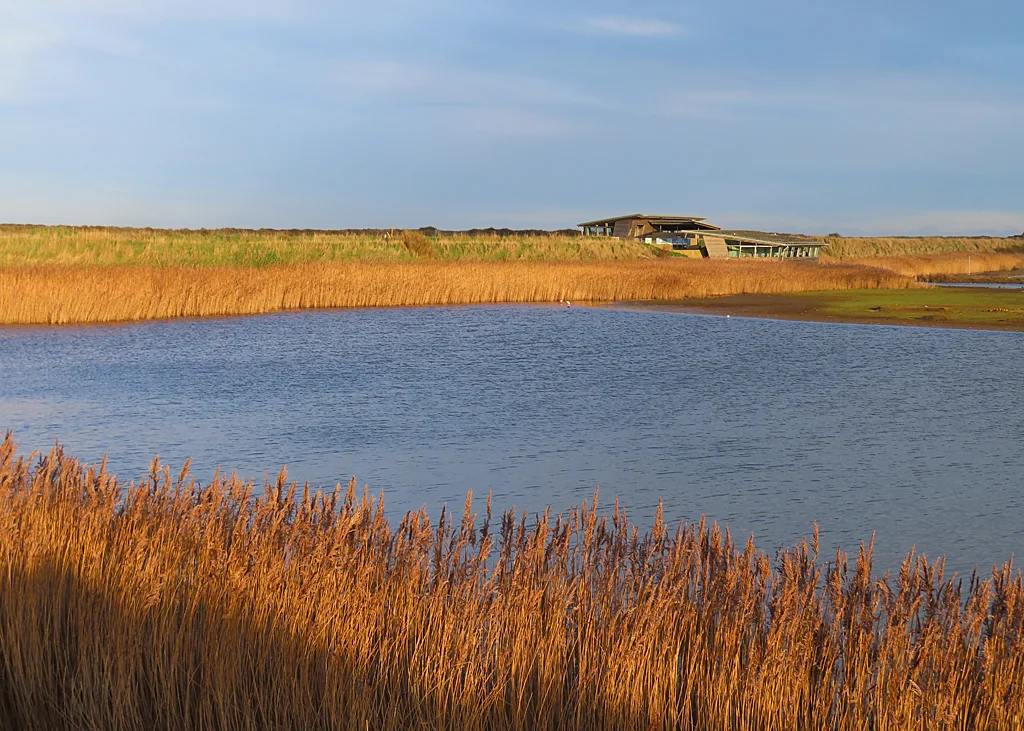
How do I get better at birdwatching?
Our choice is to practise one skill during an ordinary local visit. Learning improves when you can compare what happened before and after a change in your approach. Pause longer, describe the shape before opening an identification app, or return to the same pool after the light changes. A familiar bird gives you room to experiment without the pressure of a brief sighting. Each lesson below includes places to practise and a task you can repeat.
Work through the foundation lessons first, then choose a habitat you can visit easily. Responsibility belongs at every level, so read the disturbance and photography lessons before trying to get closer. You can watch from a public path, a hide or another authorised viewpoint and still build strong skills. Progress is recognising more behaviour and making better decisions about what remains uncertain, rather than simply adding species to a list.
Foundation: listen, describe and remember
Begin with listen before looking. Put your binoculars down briefly and separate nearby calls from sounds further away. Try to describe a rhythm or repeated phrase before checking its name. This gives a busy reserve a structure: some birds are in the hedge, others over the water, and another may be passing overhead. A short listening pause also helps you avoid walking straight past the most useful patch.
Next, use identify by structure to describe bill, body, wings and tail. Compare proportions and posture with a familiar bird nearby where possible. Light can distort colour, while a bird’s shape and movement may remain informative. Follow that with keep better notes: record the features you actually saw and separate them from the name you suspect. Leave an unresolved observation unresolved when the evidence is weak.
Developing: understand water and reedbeds
Take read an estuary to a managed coastal viewpoint. Watch which feeding edges disappear as the tide changes and how birds redistribute. Timing starts to make sense when you observe a whole sequence instead of arriving for a single photograph. RSPB Titchwell Marsh, RSPB Conwy and RSPB Belfast Window on Wildlife provide different settings to compare through their reserve guides.
Use scan a reedbed at RSPB Leighton Moss, RSPB Ham Wall or RSPB Newport Wetlands. Divide the view into manageable sections and return to the same edges. The lesson bird a reservoir extends that approach to larger water: compare sheltered corners, open water and shorelines without attempting to identify every distant dot immediately. Choose a clear, comfortable viewpoint and learn what changes while you stay there.
Developing: follow flocks and use the wind
The work a mixed flock lesson encourages you to follow activity with your eyes before moving your feet. Notice which birds lead through the vegetation and which remain lower or further back. Keep to the route and let a flock come past rather than repeatedly cutting across it. Woodland at RSPB Loch Garten makes a useful subject for comparing movement with sound, while RSPB Minsmere combines several habitats in one broader visit.
Read find birds in wind when an exposed day is becoming hard work. Shelter, aspect and the stability of your viewing position can matter more than covering additional distance. Look at where the birds are already feeding and choose a safe authorised position that lets you watch them. A persistent wind is also a reason to simplify the route, protect your hearing and balance, or move to a less exposed reserve.
Advanced practice: scan the sea methodically
Try scan sea methodically once you are comfortable describing distant shapes and recording uncertainty. Choose a safe established viewpoint, divide the view into bands and keep each scan consistent. Note direction and conditions with any observation that you cannot name confidently. The learning comes from comparisons across a watch, including how distance and light alter a familiar bird’s appearance.
Mainland seabird viewpoints at RSPB Bempton Cliffs and RSPB South Stack can complement the lesson, using the relevant guide to choose the visit and follow local boundaries. Stay behind barriers and avoid exposed edges. An advanced watcher is not someone who takes greater physical risks; it is someone who recognises when the view, conditions or available evidence cannot support a firm identification. Finish with useful notes instead of forcing a name.
Make a simple fieldcraft practice plan
For the next three outings, keep the route broadly similar and change one watching habit. Begin with a listening pause, add a written description on the second visit, then compare different sections of the same habitat on the third. Spend a few minutes afterwards recording what helped. Choose the next lesson from the difficulty you actually encountered: sound, distance, changing water or a flock that moved before you understood it.
Responsible watching is part of every skill
Read watch waders without flushing before approaching a coastal flock. Look for feeding pauses, raised heads and movement away from you. Increase distance before the birds take flight. An official hide or viewpoint helps provide separation, but your behaviour still matters around its approaches. Keep dogs under the operator’s rules and avoid blocking another visitor’s safe route while concentrating on a bird.
Use photograph responsibly to set a limit before you begin. A bird surrounded by habitat can make a more interesting image than a forced close-up. Finally, know when to stop brings the learning path back to judgement. Fatigue, worsening weather, repeated disturbance or a report that draws you towards restricted ground are good reasons to change the plan. Leave with one observation you understood well and a question to revisit next time.
Practise it here
Sources and review
- Confirmed: BTO Birders’ Code, disturbance and responsible recording
- Confirmed: RSPB bird identification and beginner learning
- Confirmed: BTO bird learning resources
- Confirmed: BTO bird topography and main feather tracts
- Confirmed: RSPB bird migration
- Confirmed: BTO BirdTrack
- Confirmed: RSPB Belfast Window on Wildlife operator information
- Confirmed: RSPB Conwy operator information
- Confirmed: RSPB Ham Wall operator information
- Confirmed: RSPB Leighton Moss operator information
- Confirmed: RSPB Loch Garten operator information
- Confirmed: RSPB Lochwinnoch operator information
- Confirmed: RSPB Minsmere operator information
- Confirmed: RSPB Newport Wetlands operator information
- Confirmed: RSPB Titchwell Marsh operator information
- Confirmed: WWT Castle Espie operator information
- Confirmed: Farne Islands operator information
- Confirmed: RSPB Bempton Cliffs operator information
- Confirmed: RSPB Insh Marshes operator information
- Confirmed: RSPB Loch Gruinart operator information
- Confirmed: RSPB Snettisham operator information
- Confirmed: RSPB The Oa operator information
- Confirmed: RSPB South Stack operator information
- Confirmed: Montrose Basin operator information
- Confirmed: Oxford Island National Nature Reserve operator information
- Confirmed: Quoile Pondage Nature Reserve operator information
- Confirmed: RSPB Portmore Lough operator information
- Confirmed: RSPB Ynys-hir operator information
- Confirmed: Teifi Marshes Nature Reserve operator information
- Confirmed: WWT Caerlaverock operator information
- Confirmed: WWT Llanelli operator information
- Confirmed: WWT London Wetland Centre operator information
- Confirmed: WWT Slimbridge operator information