
UK birdwatching calendar
June birdwatching in the UK
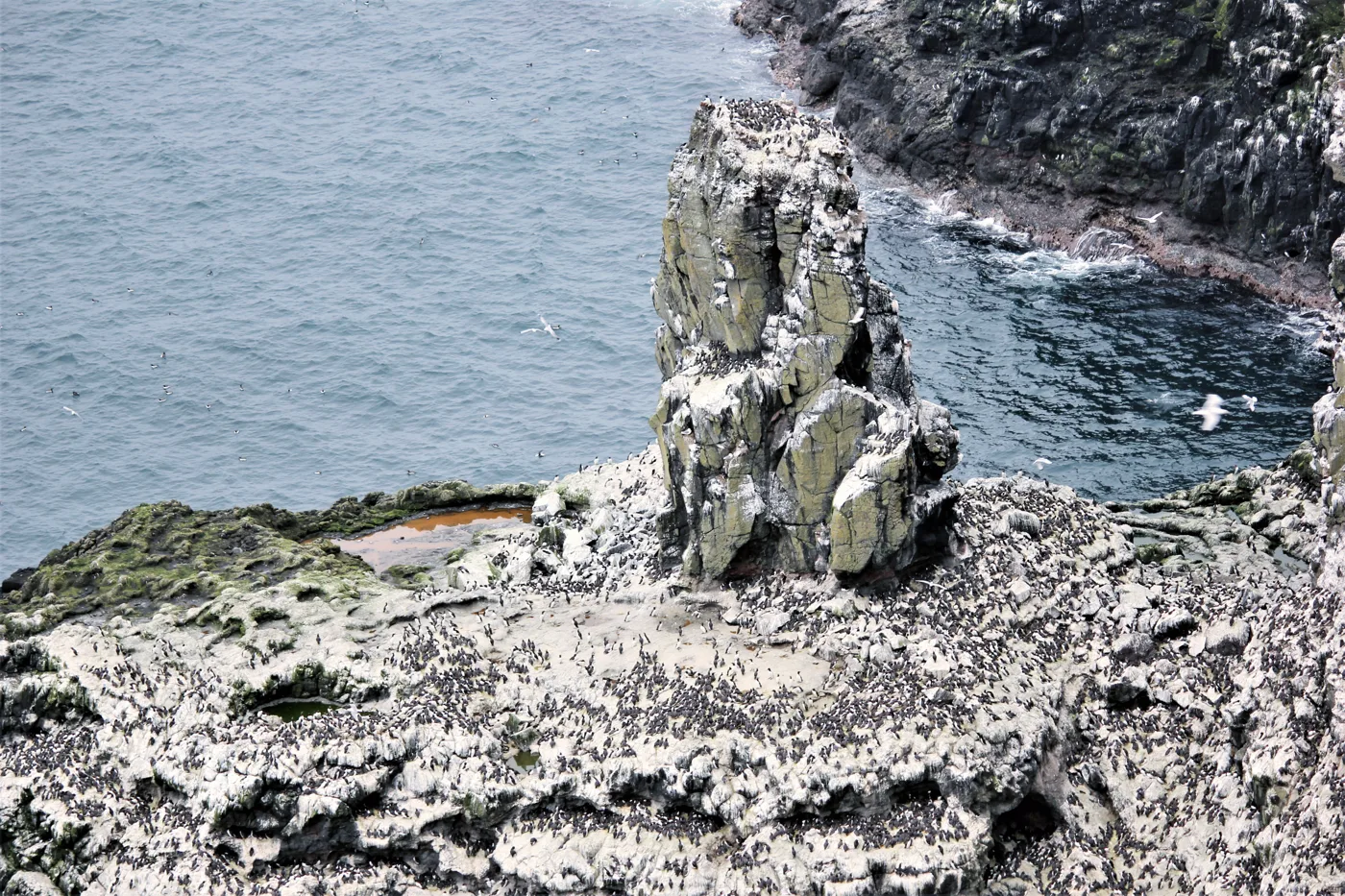
June is our choice for seabird colonies, long listening mornings and watching family behaviour from a respectful distance. Make one reserve the main event and use the long daylight for slower observation.
What changes in the birding year in June
June often turns the focus from arrival to activity. Many summer visitors are now engaged in breeding, and the most interesting observation may be a feeding sequence, a change of guard or young birds beginning to move beyond cover. These behaviours vary by species and place, so avoid attaching a fixed breeding timetable to the whole country. Our recommendation is to visit with a question about behaviour rather than a requirement to see a particular family at a particular stage.
Woodland foliage can make birds harder to see even when they remain audible. Stop in a good listening place before searching through the canopy, and accept that a partly seen bird may remain unidentified. At wetlands, reed growth changes sightlines and can conceal activity that was obvious earlier in spring. Repeated visits are particularly useful now: the difference between May's open view and June's dense cover helps explain why a familiar reserve can seem quieter without necessarily holding fewer birds.
Long daylight encourages ambitious travel, but a long day is not automatically a better one. Early bird activity, midday heat and a late return can leave little genuine rest. Choose one demanding session and make the rest optional. A gentle afternoon with common birds or insects can be a better companion to a dawn start than another distant reserve. The aim is to remain alert enough to enjoy the wildlife, not to use every available minute of light.
June's headline seabird spectacles
Mainland cliffs are our first recommendation for a group that wants seabirds without organising a boat. RSPB Bempton Cliffs, RSPB Fowlsheugh and RSPB South Stack offer different settings, all requiring the visitor to use authorised routes and viewpoints. Learn the broad patterns before looking for individual species: birds leaving the colony, returning over the sea and circling before settling. A telescope can help with distant detail, while binoculars are often easier for following movement across a large scene.
Island visits bring a more contained experience but need firmer advance planning. Skomer Island, Isle of May National Nature Reserve and RSPB Rathlin Island have different travel and visitor arrangements. Choose the kind of experience first: a cruise, a landing and an overnight stay are different commitments. Consult the guide for each before making reservations. Keep enough flexibility that an unsuitable sea forecast leads to a satisfying mainland day rather than pressure to travel against operator advice.
Where to hear reedbed birds in June
June reedbeds can feel full of sound and short of clear views. At RSPB Ham Wall and RSPB Newport Wetlands, work the public route slowly and stop when a repeated voice becomes distinct. Listen for the pattern, rhythm and direction before reaching for an identification. Do not enter reeds or move towards an apparent nest to solve the puzzle. An observation made entirely by ear is a legitimate part of the visit when the sound is identified with appropriate care.
Our choice for a first reedbed morning is a modest route with a few long listening stops and one sustained open-water watch. The contrast helps keep concentration fresh. Notice how wind changes the sound: a bird may seem absent when reeds and weather simply mask it. If you use recordings to learn later, compare them away from the reserve. Playing calls near breeding birds changes the situation you came to observe and can provoke a response that serves the visitor rather than the wildlife.
June weather, tides and coastal travel
Carry water and protection from sun even when the forecast looks mild, but retain a warm layer for stationary cliff watching. Sea wind, fog and glare can change the quality of the view quickly. Remain behind barriers and keep children away from unprotected edges. A spectacular photograph is never a reason to step outside the public route. On boat trips, follow the operator's instructions about clothing, luggage, biosecurity and the point at which plans may change.
At estuaries, think about both feeding areas and breeding restrictions. A rising tide can bring birds closer to an official viewpoint, but it can also leave them with fewer places to rest. Give concentrated groups space and do not use the retreating shoreline as an invitation to follow them. Inland, choose a more shaded or sheltered option if the heat makes an open circuit uncomfortable. A reserve guide should settle the practical route; the monthly page helps choose the kind of day.
A suggested June birdwatching weekend
Use the Suffolk coast trip for a mainland weekend centred on RSPB Minsmere, with RSPB North Warren providing a different landscape on the second day. Give listening and quiet waiting as much time as walking between views. Check current access carefully before deciding the order, including the continuing Dunwich Heath closure and any specific Minsmere restrictions. A large reserve can still offer a rich day when one route is unavailable, provided you plan around the operator's current advice.
If seabirds are the real priority, choose a coastal base near one colony and allow two possible weather windows rather than visiting two distant colonies on consecutive days. Our opinion is that a return to the same cliff in different light beats a second long transfer. You begin to recognise the birds' movements and can choose a better viewing position within the official area. Keep the final day short enough that the journey home remains comfortable after early starts.
Responsible watching when young birds are present
Young birds do not need a close approach to be enjoyed. Adults may be waiting nearby with food while visitors concentrate on the youngster, so avoid surrounding it or blocking the route between cover and feeding ground. Leave an apparently alone fledgling where it is unless there is an immediate hazard requiring appropriate expert advice. On reserves, tell staff about a concern rather than attempting an intervention based on a few minutes of observation.
At colonies, follow the site's biosecurity rules and never touch birds, eggs or material on the ground. Keep clear of burrows and marked nesting areas even when nothing is visible. The most useful June fieldcraft exercise is a behaviour sequence recorded from one permitted view: what arrived, what happened and what left? Use plain descriptions and leave motives uncertain. A patient account can reveal more about a colony than dozens of photographs taken while continually changing position.
Where to go birdwatching in England in June
RSPB Bempton Cliffs
Bempton is our English choice for a June colony visit with mainland access. Start with a broad scan and learn the different flight styles before concentrating on ledges. Allow time for the same view to change as birds return from sea. The linked guide covers practical planning, while the Puffin page helps set expectations for that species. Keep the day's success broader than whether one individual appears close enough for a photograph.
RSPB Ham Wall
Ham Wall offers a contrasting June day built around reeds, open water and patient listening. Choose an early manageable circuit and spend more time at a productive viewpoint than on the walk between stops. Hidden birds are part of the habitat's character, so enjoy sound without trying to force a view. Follow current restrictions and use the detailed guide for arrival and route decisions rather than relying on a remembered plan.
RSPB Minsmere
Minsmere suits a June visit when you want several habitats and enough variety for a full day. Decide which two or three experiences matter most, then let the actual conditions shape their order. Current operator access information is essential because earlier routes may remain affected by closures or works. Our recommendation is a focused visit with time to return to a favourite view, rather than a rapid attempt to cover the whole reserve.
Where to go birdwatching in Scotland in June
RSPB Fowlsheugh
Fowlsheugh is a Scottish mainland choice for a June seabird watch. Use the official path and select a position where the group can watch comfortably without crowding an edge. Compare the colony's sound with the movement over the water, and allow quieter periods to become part of the observation. Read the guide for the approach and terrain before choosing it for a party whose members have different walking needs.
Isle of May National Nature Reserve
Choose the Isle of May when a properly organised island visit is central to the break. Book through the relevant operator and keep weather flexibility around the journey. On the reserve, let the route and current instructions determine where you stop. Our preference is to give the whole island community attention, including ordinary behaviour between dramatic arrivals, instead of moving quickly from one hoped-for Puffin photograph to the next.
RSPB Loch Garten
Loch Garten offers a forest alternative to June cliffs. Use official visitor arrangements for the reserve's celebrated wildlife and keep sensitive breeding birds to authorised viewing. The pinewood itself deserves a slow walk with listening stops and time for common species. Choose it for a different kind of concentration from a seabird colony: small movements, calls and changes in habitat can become the main story of the day.
Where to go birdwatching in Wales in June
Skomer Island
Skomer is our Welsh island choice for a June visit when booking and sea conditions fit. Follow the marked routes carefully through breeding habitat and let birds cross without pressure. A landing day works best with a few long stops rather than constant movement around the circuit. Use the guide for current travel arrangements and keep a mainland fallback, recognising that a reserved place does not make a landing certain.
RSPB South Stack
South Stack provides a Welsh mainland alternative with dramatic coastal watching. Choose a suitable forecast and remain at the authorised public views. Watch the sea and cliffs as one connected scene, noticing birds commuting as well as resting. Our advice is to make the visit long enough for changing light and activity to matter, while accepting a shorter outing when wind makes comfortable observation difficult.
RSPB Newport Wetlands
Newport Wetlands is the reedbed option for a June morning focused on listening and wetland behaviour. Stop quietly before trying to identify a voice and keep to the public route around dense cover. Open-water views provide a useful change of pace when concentration on song becomes tiring. The detailed guide helps you plan a manageable circuit and the practical arrangements for a mixed-experience group.
Where to go birdwatching in Northern Ireland in June
RSPB Rathlin Island
Rathlin is our Northern Irish first choice for a June seabird trip, subject to confirmed ferry and visitor arrangements for the intended season. Build the plan around the managed watching experience and keep a mainland alternative for unsuitable weather. Compare birds using different cliff levels and those returning from sea. Follow island biosecurity instructions and allow enough travel slack that the wildlife visit does not end in a rushed connection.
RSPB Portmore Lough
Portmore Lough offers mainland June interest, including the operator's summer Common Tern attraction. Watch feeding and commuting behaviour from the public viewpoint without seeking out nesting positions. A telescope can help with distant detail, but binoculars make it easier to follow movement across the water. Our suggestion is one sustained observation session followed by a quiet review of what happened, rather than a sequence of brief scans.
Oxford Island National Nature Reserve
Oxford Island provides a further Northern Irish wetland choice for a June day with varied observation. Select a comfortable public route and compare the birds of open water with those using the edges. For families, a few clearly described behaviours can hold attention better than a large list of names. The guide carries the practical information; the monthly aim is to allow enough time for birds to reveal their normal activity.
More reserves to consider in June
Plan your June birdwatching trip
Sources for birdwatching in June
- Confirmed: RSPB: June in nature
- Confirmed: RSPB Bempton Cliffs
- Confirmed: RSPB Rathlin Island
- Confirmed: RSPB Portmore Lough
- Confirmed: RSPB Ynys-hir
- Confirmed: RSPB Ham Wall operator information
- Confirmed: RSPB Minsmere operator information
- Confirmed: RSPB Fowlsheugh operator information
- Confirmed: Isle of May National Nature Reserve operator information
- Confirmed: RSPB Loch Garten operator information
- Confirmed: Skomer Island operator information
- Confirmed: RSPB South Stack operator information
- Confirmed: RSPB Newport Wetlands operator information
- Confirmed: RSPB Rathlin Island operator information
- Confirmed: Oxford Island National Nature Reserve operator information
- Confirmed: RSPB North Warren operator information