
Choose a birdwatching region
Where to go birdwatching: choose a UK region for your next trip
Choose a birdwatching region by the experience you want: winter flocks, spring song, summer seabirds or a slower wetland day. Our choice for a first break is one well-chosen base and a small group of reserves, leaving enough time to revisit the best view when light, weather or water changes.
Compare UK birdwatching regions
Norfolk
For a first Norfolk birdwatching break, our choice is Titchwell with one tide-led Snettisham visit, or a Broads stay built around Strumpshaw and Hickling. Choose between coast, reedbed and winter floodplain before booking a base: trying to cover all three in a weekend leaves too little time watching birds.
Plan a regional visit →Suffolk
For a first Suffolk birdwatching holiday, our choice is Minsmere with a slower North Warren day, adding Havergate only when a suitable boat visit is confirmed. Carlton Marshes, Lakenheath Fen and Lackford Lakes offer distinct alternatives inland or in the Suffolk Broads, so choose the habitats you want before deciding how widely to travel.
Plan a regional visit →Kent
Our choice for a first Kent birdwatching day is one substantial wetland visit, rather than a race between distant corners of the county. Dungeness, the Swale marshes and the Thames-side reserves offer different kinds of watching. Decide whether you want a hide-led duck day, patient wader identification or a wider open landscape before choosing a base.
Plan a regional visit →Somerset Levels
Our choice for a first Somerset wetland break is a substantial Avalon Marshes day, followed by a contrasting winter-duck watch at Greylake or an estuary day at Steart. Decide which landscape matters most before booking. A reedbed, a wet grazing marsh and a tidal coast can all be excellent, but they need different expectations and different planning.
Plan a regional visit →Northumberland
Choose between a summer Farne Islands trip, a winter Lindisfarne visit and an inland Kielder Osprey experience before planning a Northumberland break. Our choice is one clear seasonal anchor, with enough time to use the official public watching arrangements properly. The coast and forest are distinct parts of the county, and each deserves a deliberate visit rather than an unplanned gap between other commitments.
Plan a regional visit →Yorkshire Coast
Our choice for a first Yorkshire coast break is one substantial Bempton visit with a separate Flamborough session, or a migration-led stay built around Spurn. The cliff colony, offshore flight and estuary demand different kinds of attention. Decide which matters most before choosing how far along the coast to travel, and leave space for a return to the most rewarding view.
Plan a regional visit →Morecambe Bay
For a first Morecambe Bay break, our choice is a substantial Leighton Moss visit with a separate Hest Bank shore watch fitted around the tide. Add South Walney as another day, rather than treating opposite sides of the bay as neighbouring hides. Choose the habitat and public viewing arrangement first, then build travel around it.
Plan a regional visit →Solway
Our choice for a first Solway visit is one substantial wetland day on the Scottish shore, based around Caerlaverock or Mersehead, or a separate Campfield Marsh day from the Cumbrian side. Autumn and winter usually suit goose and wildfowl interests particularly well. Choose one shore first: the water between two reserves is not a shortcut for your journey.
Plan a regional visit →Speyside and the Cairngorms
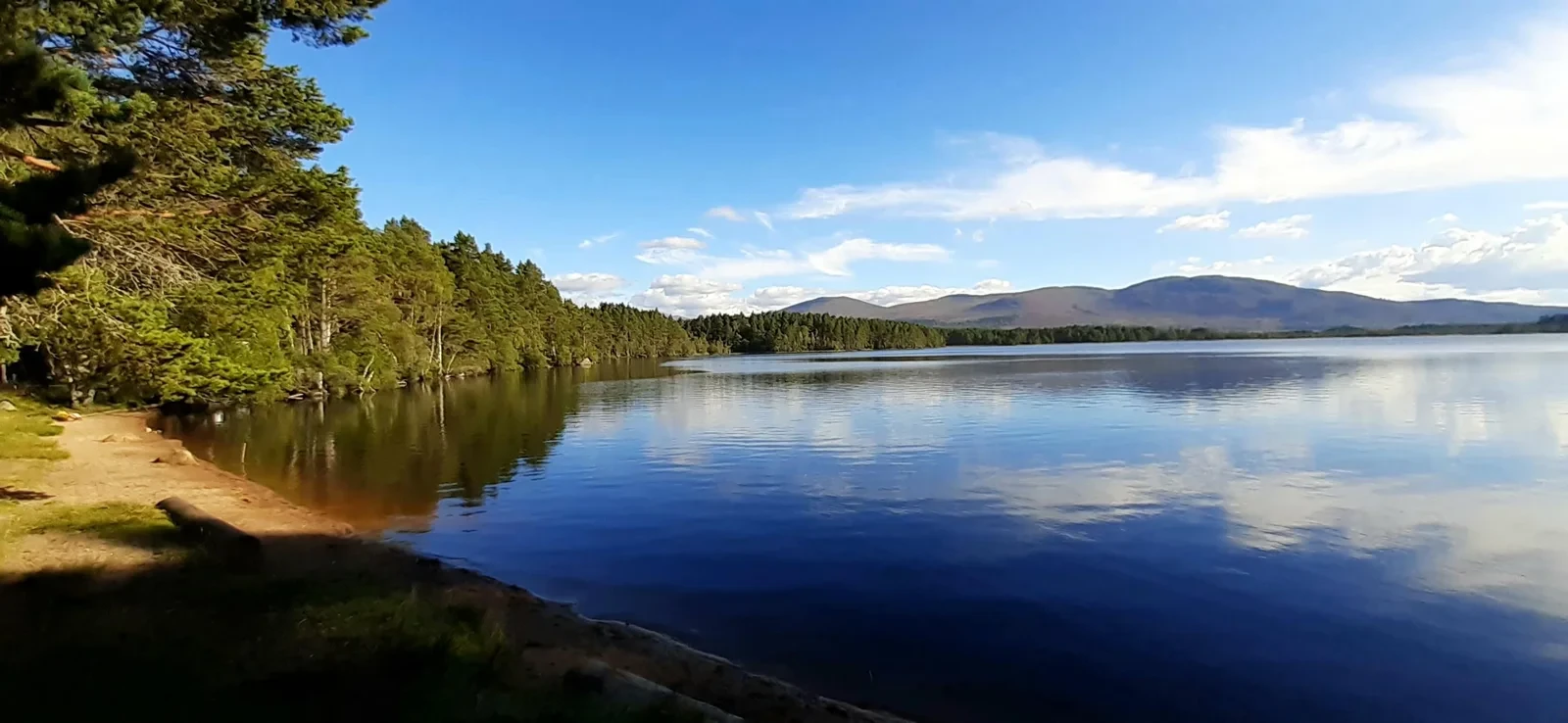
Our choice for a first Speyside birdwatching break is one generous Loch Garten forest day and another at Insh Marshes, with time to repeat the better conditions. The pinewoods and Spey floodplain offer different kinds of watching without making a mountain expedition necessary. Add a Moray coast extension only when the length of the holiday supports a separate change of area.
Plan a regional visit →Orkney
For a first Orkney birdwatching holiday, our choice is a Mainland base with Marwick Head and Cottascarth, then one carefully planned outer-island outing. Choose a summer seabird visit or a longer migration stay before booking transport. Hoy, Westray and North Ronaldsay offer different experiences, and trying to reach all three on a short break leaves too little room for weather.
Plan a regional visit →Shetland
Choose summer for Shetland’s breeding seabird cliffs, or autumn for a migration holiday whose interest depends on changing weather. Our first-visit choice is a settled Mainland base with Sumburgh Head and time for one carefully planned island extension. Fetlar, Hermaness, Noss and Fair Isle each need their own travel and access decisions.
Plan a regional visit →Hebrides
Choose one island group and the wildlife season before booking a Hebrides holiday. Our winter choice is Islay for geese and contrasting reserves; for a summer grassland visit, compare North Uist or Coll. Rum, Lunga and St Kilda are separate boat-dependent experiences that need their own plans.
Plan a regional visit →Pembrokeshire
Choose the island experience before arranging a Pembrokeshire birding holiday: Skomer for a seasonal seabird day, Skokholm for a stay, or Ramsey for a different coastal island walk. Our preference is a mainland base with space around the boat booking and a Teifi Marshes day for contrast.
Plan a regional visit →Anglesey
Choose South Stack for a seasonal seabird-cliff day, Valley Wetlands for lakes and reedbeds, or Newborough for a wider forest-and-coast walk. Our first-visit preference is to combine one substantial coastal outing with a quieter wetland session, keeping the order flexible enough to use the better weather.
Plan a regional visit →Northern Ireland loughs
For a first lough birdwatching trip, our choice is Belfast WOW or Castle Espie for coastal wildfowl, and Portmore or Oxford Island for freshwater watching. Choose the kind of water and the public access you want first: a staffed lagoon view, an open shore and an island landscape require very different plans.
Plan a regional visit →Choose the kind of birdwatching day you want
Begin with the watching, then work backwards to the journey. A hide-led wetland day, an exposed estuary scan and an island landing ask different things of your time and energy. Decide whether you want help identifying birds, a long walk, a sheltered viewpoint or a booked boat experience. The regional guides let you compare those choices before you commit to a room or a travel date.
Each region brings together reserve guides, seasonal interests and practical access choices. Use the map to understand the area, then open the guide for the place where you actually plan to stand. Public viewpoints and current restrictions matter more than a pin’s apparent proximity. A sensible short list makes it easier to change the order of your days when conditions change.
Where to go for winter flocks and tide-led birdwatching
Norfolk is our choice for combining a coastal wetland day with a separate Wash tide appointment: compare RSPB Titchwell Marsh with RSPB Snettisham. Morecambe Bay offers another way to build a holiday around an estuary landscape and neighbouring wetlands, including RSPB Leighton Moss. Give the main watch the time it needs instead of planning several distant transfers around one tide.
Solway and the Northern Ireland loughs suit different versions of a wildfowl-focused break. Compare exposed shore watching with visitor facilities, and choose the level of self-sufficiency that suits your group. At WWT Castle Espie, established public facilities give a different visit from an open roadside lough view. Tide advice belongs to the particular coast; inland freshwater waterbodies need their own conditions plan.
Where to go for reedbeds and a patient wetland day
Choose Suffolk, Kent or the Somerset Levels when you want to organise a trip around wetland watching rather than a long coastal circuit. RSPB Minsmere, RSPB Dungeness and RSPB Ham Wall are useful starting comparisons. Read the individual public-viewpoint descriptions and choose the landscape and facilities that fit your day.
Reedbeds often reward listening before looking. A calm spell can make a short session more absorbing than a long walk in strong wind, while a sheltered hide can keep the day comfortable when conditions worsen. Let the regional guide help you pick a base, then use the month guide to choose the seasonal emphasis. Keep a second visit available if the first leaves you wanting more time.
Where to go for mainland seabirds and coastal migration
Compare Northumberland with the Yorkshire coast for a coast-focused holiday. Decide first whether you want mainland viewpoints, a confirmed island excursion or a mixture across several days. RSPB Bempton Cliffs provides a useful mainland reference when comparing the amount of travel and walking involved. The local reserve guide explains the season and the specific public route.
Migration changes the pace of a visit: a patient scan of a headland or estuary can be more useful than an immediate drive towards another report. Book accommodation that lets you adjust the day’s order, and keep the return manageable after a long outdoor watch. During the breeding season, follow cordons and remain behind cliff barriers even when a photograph makes the birds appear within easy reach.
Where to go for Scottish woodland and a mainland base
Speyside and the Cairngorms suits a holiday in which woodland, wetland and the wider landscape matter together. Start by comparing the official public experiences around RSPB Loch Garten with the other reserves in the regional guide. Choose routes by their actual terrain and viewing arrangements, and allow time for listening rather than expecting every woodland bird to appear in the open.
Keep sensitive wildlife out of a location-chasing plan. Official public viewpoints and operator events give a clear framework for the visit, while closed tracks or informal directions do not. Our choice is a settled mainland base with a range of comfortable day options. A difficult forecast should lead to a different suitable route or a shorter day, without making a remote outing compulsory.
Orkney, Shetland or the Hebrides for an island holiday?
Orkney, Shetland and the Hebrides deserve comparison before you buy transport. Decide how much of the holiday you want to spend changing islands, and whether one base will give you enough variety. A mainland-to-island journey and an inter-island connection are separate commitments. The regional guide helps you identify which reserve visits depend on a boat, flight or further sailing.
Our choice for a first island trip is enough spare time to absorb a weather change. Keep a worthwhile outing on the island where you are staying, carry booking details offline and avoid placing an essential onward connection immediately after a small-boat excursion. Choose the birding season from the particular destination’s guide. An available journey in a booking calendar does not by itself establish the wildlife experience you had in mind.
Pembrokeshire or Anglesey for a Welsh coastal break?
Pembrokeshire and Anglesey offer different ways to organise a Welsh coastal holiday. Compare the importance of an island visit with the ease of mainland viewpoints and other wetland days. RSPB South Stack is one public-viewpoint option to examine when a boat journey would not suit the group. Use the regional guides to choose a coherent base and leave the detailed arrival information in each reserve guide.
Where a booked island trip is the main reason for travelling, secure the appropriate visit and build the surrounding days around it. Leave an appealing mainland alternative for poor sailing conditions. People who prefer slower walking can choose a shorter official route and give one outlook more time. A wider holiday should add days, rather than simply increasing the number of stops in an already full afternoon.
Choose the season before building the itinerary
The birdwatching calendar helps you choose the seasonal version of a region. Winter ducks, spring song and summer colonies can make the same place feel very different. Start with a few target birds or a habitat you want to understand, then compare their typical months with the regional table. Give particular weight to the operator’s local season where a trip or public route operates only part of the year.
A recent report can suggest what deserves a look, but let the day’s actual birds set the pace. Flocks move, migrants arrive in changing weather and a hidden bird can stay hidden through a perfectly sensible visit. Set a practical aim as well as a species aim: learn a public viewpoint, practise an identification or understand how the shore changes as the water moves.
Choose travel and access that fit the whole group
For a car-free holiday, check the final connection and the return before booking a base. An attractive rail arrival town may still leave a long or awkward onward journey. The car-free favourites collection and each reserve’s transport section help narrow the choice. A taxi booking needs a clear collection point and return arrangement, while a bus plan needs the timetable for your actual day.
For access needs, compare the particular hide, path and boarding arrangement. A level visitor centre can sit beside a route with steps, and an accessible viewing window is useful only if the approach works for you. Tell the operator what you need in terms of distance, surface, seating and equipment. Fewer well-suited stops often give a mixed group a better holiday than a busy itinerary with one uncomfortable section after another.
Turn a regional choice into a workable birdwatching trip
Choose a principal reserve, one contrasting day and a realistic fallback. Use the trips pages for a fuller itinerary once the region is settled. Keep practical charges, opening arrangements and departure instructions in the linked reserve guides, where they can be checked together. Before setting out, look again at current closures and the forecast, then decide which outing makes best use of the conditions.
Finish with time to compare your notes and choose what you want to learn next. The fieldcraft lessons offer a useful direction when a familiar reserve feels more rewarding than another long journey. A return visit can show the effect of a different tide, season or light. Build the next holiday from that understanding, keeping public access and undisturbed birds at the centre of the plan.
Sources and review
- RSPB current reserve page and weekly sightings
- RSPB reserve and goose-season guidance
- WWT exact12 October 2026 wild birds by public viewpoint
- RSPB Leighton Moss: habitat and dated sightings
- RSPB Dungeness: seasonal birds and visitor information
- RSPB Ham Wall trail map: all named hides, platforms and path sections
- RSPB Bempton: colony and grassland species
- RSPB South Stack
- RSPB Minsmere: reserve species, weekly sightings and current restrictions
- RSPB Loch Garten reserve and wildlife