
Responsible wildlife guide
Where to hear Corncrakes in the UK
Plan for the sound of a Corncrake as the main encounter: a bird can call from cover without ever giving a clear view. Choose a reserve in a supported summer stronghold and follow the operator’s public routes or organised visits. Our preference is a varied island holiday with one patient listening session.
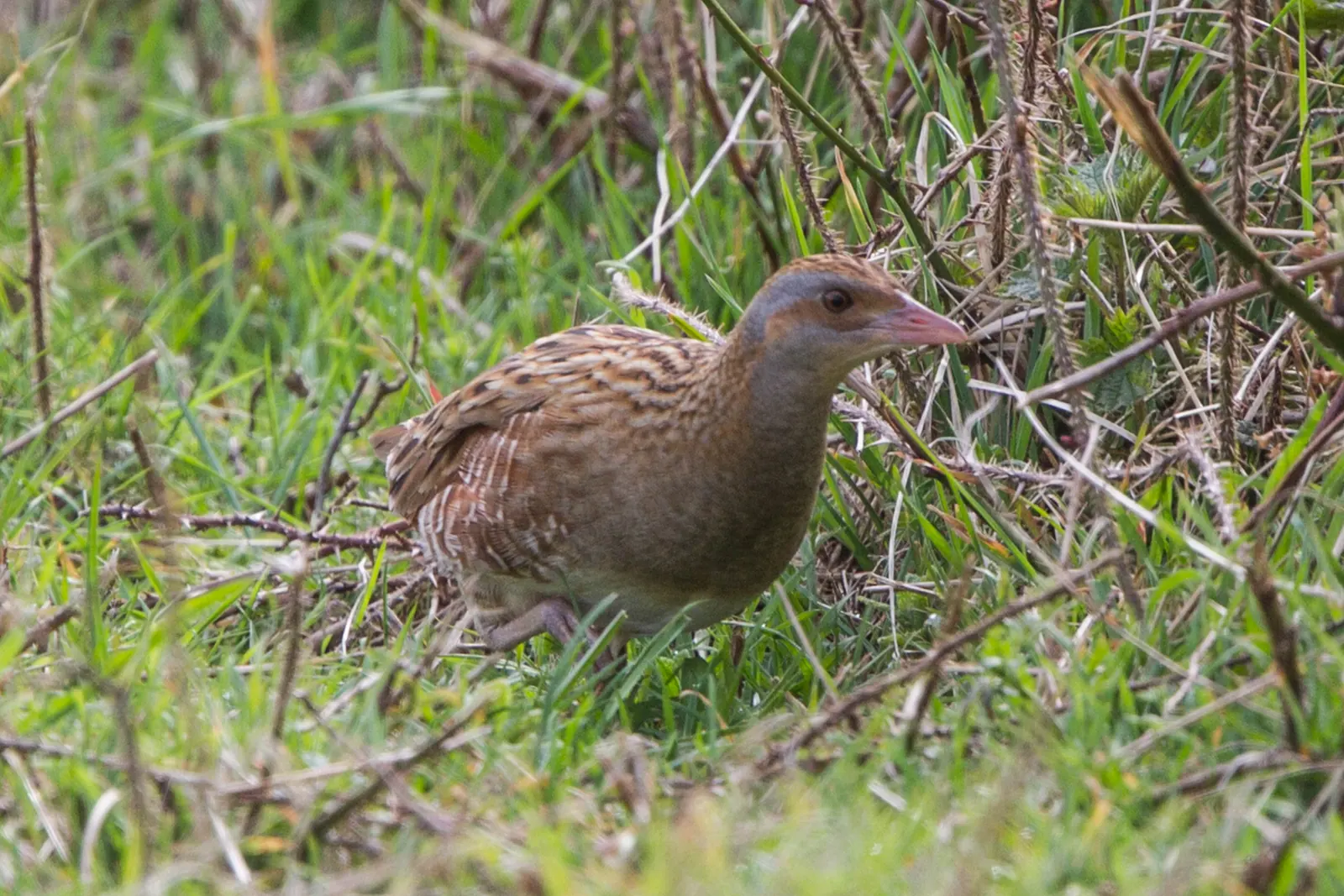
Where can you hear Corncrakes in the UK?
Scotland’s islands and coastal strongholds are the starting point for most visitors. The RSPB’s species account points to reserves including Balranald, Coll and Loch Gruinart. Choose the island and holiday that fit your time and travel needs before comparing the local opportunities. Our choice for a first trip is somewhere you would enjoy for its shore, grassland and other birds as well. That gives a satisfying day even when the Corncrake remains silent or hidden throughout your visit.
At Balranald, the operator describes conservation work with local crofters and a landscape rich in farmland and wading birds. That makes the whole reserve worth understanding rather than treating it as a single-species stop. Coll offers another island setting, while Loch Gruinart fits an Islay holiday with contrasting habitats. Use each guide for current public access and visitor arrangements. A reserve appearing in a species account supports the broad destination; it does not identify a calling field for independent access.
When is the best time for a Corncrake trip?
Corncrake is a summer migrant. BTO describes returns from April onwards and explains that records fall as birds become quieter, so a declining reporting rate cannot be read simply as every bird leaving. Choose the local operator’s seasonal advice for your travel dates. Late spring and early summer are our preferred broad planning period for a trip centred on listening, with flexible expectations and plenty of other wildlife interest. Avoid treating a typical arrival period as a fixed booking deadline.
The call can be heard at night during the breeding season, as the RSPB’s account of its surveys explains. A visitor should still use permitted access and an advertised operator-led opportunity where available. Arrange the practicalities before the evening: how you will return, whether your accommodation and companions suit the plan, and whether the reserve permits the proposed route. Never assume that a path open in daylight authorises a late-night visit through working farmland. Local instructions should settle that decision.
What does a Corncrake sound like?
Learn the harsh repeated rasp using the RSPB or BTO recordings before travelling. Hear the rhythm several times somewhere private, then compare what you hear naturally at the reserve. The bird belongs to the rail family, yet the RSPB describes its life largely on dry land and its habit of remaining in tall cover. The sound may therefore come from vegetation where a beginner would not expect a waterbird relative. Pause and listen before reaching for binoculars.
Keep the recording silent in the field: headphones for personal learning are different from playing a call towards a hidden bird. If a sound is uncertain, describe its rhythm and quality and ask the operator later. A passive recording from your authorised position may help, provided you remain still and avoid approaching the source. Do not turn triangulating the call into an attempt to locate the bird precisely. Enjoying an unmistakable sound without a photograph is a complete and memorable encounter.
How can you watch without disturbing Corncrakes?
Stay on the agreed public route and let cover remain cover. A bird hidden beside a field edge has no obligation to step into view. Moving through tall vegetation, lining people along a boundary or surrounding the apparent source of a call can turn an ordinary visit into pressure on a protected bird. Keep your group compact and quiet, accept the guide’s chosen stopping place and move on when asked. A better camera angle is a poor reason to leave that position.
Keep dogs under the reserve’s required control and respect livestock, gates and farm traffic. An island holiday brings you into a working landscape, often close to homes and crofts. Park only where permitted, avoid lights directed into vegetation and do not use repeated calls or other attempts to draw a bird out. Share a broad account of the experience afterwards, leaving precise calling positions out of public posts. Send useful sensitive information privately to the reserve or recorder through the route they request.
Why are farming and tall cover important?
BTO links the historical decline of Corncrakes to changes in agricultural management, particularly intensive and earlier mechanised mowing. Its conservation account describes the value of early cover and Corncrake-friendly mowing approaches. The RSPB’s Balranald information likewise explains work with crofters and late-cut crops. The visible landscape is therefore part of the bird’s conservation story. A patch that appears untidy or an area left long may be serving a purpose that a visitor cannot judge from a path.
Take an opportunity to learn about that management through the reserve’s information or a guided visit. Ask how to support the work rather than offering an opinion about which field should be cut. Choose local accommodation and services that welcome responsible wildlife visitors, and be considerate around people earning a living on the land. This is our preferred way to make a specialised birding holiday useful beyond the sighting itself: appreciate the wider community and the practical work that keeps suitable habitat available.
What should you take on a Corncrake visit?
Binoculars remain useful for the wider day, but listening takes priority over carrying the largest lens. Bring clothing suited to standing still in the forecast conditions and a simple notebook for time, weather and what you heard. Check the route surface and length in the reserve guide before choosing footwear or arranging assistance. A quiet, comfortable place from which you can remain patient is more valuable than walking a long distance with equipment that makes every pause awkward.
Arrange island transport and accommodation as part of the holiday, with a margin for weather disruption where relevant. Keep the reserve’s visitor details together so you can follow the latest instructions without searching through an old social-media post on arrival. If your party includes children or people who find long silent waits tiring, agree a short session and another activity afterwards. A shared, enjoyable introduction gives everyone room to appreciate the bird rather than measuring the evening against a demanding photographic goal.
How to plan a fuller island birding day
Use the day to understand the reserve’s other habitats before a permitted listening visit. Balranald’s official account includes farmland birds and waders, while the linked guides help choose the appropriate public walking opportunities at each destination. Leave generous gaps for weather, food and rest. An island itinerary becomes less rewarding when every stop depends on hearing the same elusive bird. One well-chosen session, supported by a varied day, is our preference over repeated drives between fresh reports.
Finish with a clear note of what happened: heard, seen, uncertain, or absent during your watch. Follow any operator request for reporting, even when the observation was only a call; such records can be useful without a photograph. Keep the precise location private and accept that survey staff and visitors have different roles. On a return trip, notice changes in the grassland and the wider bird community. That makes the Corncrake part of a living landscape rather than a sound collected and forgotten.
Where to see corncrakes by month
The months below come from each reserve’s local birding guide. They describe typical presence or a preferred watching season; national occurrence can be broader. Reports show past observations and cannot promise an encounter. Sensitive birds have no published watching position.
| Species | Reserve guide | Typical or preferred months |
|---|---|---|
| Corncrake | RSPB Rathlin Island | May, June, July |
| Corncrake | RSPB Loch Gruinart | May, June, July |
| Corncrake | RSPB Balranald | May, June, July |
| Corncrake | Lunga and the Treshnish Isles | June |
| Corncrake | RSPB Coll | May, June, July |
Reserve guides for corncrakes
- RSPB Rathlin Island · Northern Ireland
- RSPB Loch Gruinart · Scotland
- RSPB Balranald · Scotland
- Lunga and the Treshnish Isles · Scotland
- RSPB Coll · Scotland
Sources and review
Reviewed 2026-10-19.