
Conservation organisations
History of The Wildlife Trusts
The Wildlife Trusts grew from a 1912 campaign to protect important wildlife places into a federation of independent local charities. Choose a reserve through its own managing trust: entry, membership benefits and facilities differ between places.
When did The Wildlife Trusts begin?
The movement traces its origins to Charles Rothschild and the Society for the Promotion of Nature Reserves, established in 1912. Rothschild wanted to protect places that wildlife needed, with decisions informed by scientific knowledge. The Wildlife Trusts’ own history places the founding meeting on 16 May at the Natural History Museum in London. This was an important shift in emphasis: saving a species required attention to its habitat, not simply interest in the animal itself. For anyone standing in a reedbed hide today, that remains a useful starting point for understanding the landscape outside.
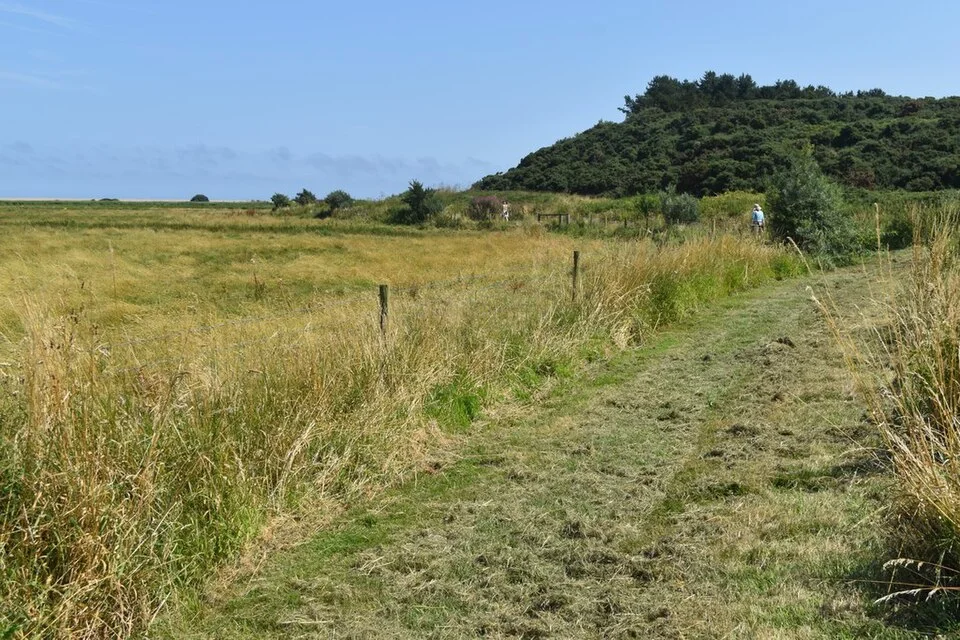
Look beyond the bird you came to see. Notice the depth of water, the shape of a ditch, the reed edge and the neighbouring field. Ask which areas offer food and which provide a quiet place to rest. A reserve can look untidy to a casual visitor while providing a much more varied set of opportunities for wildlife than a neat pond and clipped grass. Our choice for learning this way is a reserve you can revisit through different seasons. The birdwatching calendar helps you compare those seasonal changes, while the guides below connect the broad history with places you can actually visit.
What was Rothschild’s list of nature reserves?
By 1915 the society had identified 284 places considered worthy of preservation. The Wildlife Trusts’ account of Rothschild’s List explains that information was gathered through questionnaires and local knowledge. Surviving places are now in the care of many different bodies, including charities, public agencies and local groups. The list therefore should not be read as a modern ownership map. It is an early attempt to recognise important wildlife places across the British Isles and encourage their protection, with a legacy extending beyond the current Wildlife Trust movement.
That distinction helps when planning a modern visit. A famous historic connection does not tell you who runs the car park, where the public entrance lies or whether a path is open. Start with the current managing organisation and its visitor page. Then use the history to add depth to the day: what kind of habitat attracted attention, and what can you still see in the landscape? Keep a simple sketch or photograph from an authorised path and compare it on another visit. Keeping better notes offers an approach that suits ordinary repeat visits as well as a special wildlife journey.
How did the local Wildlife Trusts develop?
Local organisations formed at different times and responded to the places around them. The movement’s historical timeline records Norfolk in 1926, Yorkshire in 1946 and Lincolnshire in 1948. Scottish Wildlife Trust followed in 1964 and Ulster Wildlife Trust in 1978. The central society increasingly coordinated these independent bodies. In 1995 the partnership adopted The Wildlife Trusts as its shared public name. Those dates explain why the organisations can feel both local and connected: they grew through local action rather than being created as branches of one nationwide visitor business.
For a birdwatcher, that local character is a strength. NWT Cley and Salthouse Marshes, Spurn National Nature Reserve and Gibraltar Point National Nature Reserve offer very different introductions to coastal watching. Choose the place that matches the birds, walking and travel you want, then read its own guide closely. A small visitor centre, a long exposed coastal walk and a busy migration viewpoint call for different preparation. Our preference is to build a first weekend around one main reserve, with a second habitat nearby, rather than collect three famous names at the expense of time watching.
How does The Wildlife Trusts federation work today?
The official governance page describes 46 individual Wildlife Trusts, each an independent charity with its own legal identity; that figure was consulted on 18 October 2026. They belong to a federation alongside the Royal Society of Wildlife Trusts, the central charity. The central body helps coordinate work and provides a collective voice, while local trusts retain their own policies and decisions. This matters to visitors because a common identity does not create one universal admission policy or a single membership product covering every practical arrangement.
Look at the name of the managing trust before buying a membership or booking an event. If your main interest is somewhere close to home, supporting that trust can make sense even when the reserve is already free to enter. If you travel widely, compare the benefits you will actually use instead of assuming that a card from one county unlocks every paid site elsewhere. Ask the destination trust directly about any reciprocal arrangement. The national Wildlife Trust finder is useful when you know a town or postcode but are unsure which charity operates locally.
What do Wildlife Trusts do beyond bird reserves?
The movement’s current strategy sets out a wider concern for nature’s recovery, with local action linked through shared ambitions. Its reserve directory includes many kinds of place rather than a collection devoted solely to birds. Woodland, heath, grassland, wetland and coast all matter. The national visiting page says nearly all reserves have public access to at least part of the site and nearly all are free to enter. It is a broad description of the network; the individual reserve’s arrangements remain the useful instructions for a particular day out.
Follow that wider interest on your walk. A birdwatching route becomes more satisfying when you notice the flowering plants around a hide, insects over a pool and the changing structure of vegetation. You can still keep the day simple: choose one bird behaviour, one feature of the habitat and one other thing that catches your attention. Write down enough to recognise them again. The dawn chorus guide suits a spring woodland visit, while scanning a reedbed is a good companion to a wetland day. Leave difficult identifications open until you have enough detail to support them.
Which Wildlife Trust reserves are best for a first visit?
Our choice for a first outing is a reserve with a short route, a place to sit and a clear view into useful habitat. Read the guides for Attenborough Nature Reserve, Brockholes Nature Reserve or Teifi Marshes Nature Reserve if one fits your journey. Compare the actual paths and facilities instead of choosing only from photographs. A comfortable hour watching common waterbirds can provide a much better introduction than a long walk to an exposed viewpoint where everyone is cold before the binoculars come out.
For a more ambitious trip, choose one reason to go and one alternative experience. A coastal reserve may suit migration, while an inland wetland can offer a practical fallback when wind makes an open sea wall uncomfortable. Potteric Carr, Carlton Marshes Nature Reserve and Lackford Lakes are worth considering through their individual guides when your plans take you to those regions. Do not treat any of them as a guaranteed species stop. Choose the right habitat and season, give it time and be ready to enjoy the birds that are using it. The first reserve visit guide turns that approach into a straightforward plan.
Are Wildlife Trust reserves free and do members pay?
Many reserve walks are free, but parking, visitor attractions, permits and organised activities may have separate conditions. The difference is especially clear on islands: the Wildlife Trust of South and West Wales lists Skomer and Skokholm as exceptions to the free reserve entry benefit in its membership information. Warwickshire Wildlife Trust describes its own benefits for Brandon Marsh and member car parks. These are local terms attached to specific places, and should be read before assuming that one trust’s arrangements apply to another.
Use the guide for Skomer Island or Skokholm Island before planning an island stay or day visit, and keep travel and accommodation separate from the question of membership. For Brandon Marsh Nature Reserve, start with its current admissions and parking instructions. When travelling with several people, check whose membership is recognised and what evidence is required. A quick question before booking can prevent an awkward discussion at reception. Our advice is to support the organisation whose work you value and calculate any visitor saving from realistic visits, rather than making an overfull itinerary to justify a membership purchase.
How accessible are Wildlife Trust reserves?
Choose access information that describes a route, not simply a welcoming label. Ask about the surface between the parking area or bus stop and the first useful viewpoint, including gradients, gates, benches and hide thresholds. Check whether an accessible toilet is available for the hours you intend to visit. Wet weather can change an otherwise manageable path, so look for current notices if conditions have been poor. A reserve with a short surfaced route may suit one visitor well while its longer circuit remains unsuitable for another.
The movement’s Know Before You Go material encourages clear practical information about getting to reserves, facilities and the experience on arrival. Use that level of detail when comparing the linked guides. For a group, plan around the person who would find the day hardest and identify a shorter return option. If you need equipment hire or a staff-assisted arrangement, contact the managing trust before travelling. Accessible birding by nation explains the questions in more detail. A slower outing with good sightlines and regular rests can be an excellent birdwatching day for everyone, including experienced birders who are used to covering much more ground.
How to visit Wildlife Trust islands responsibly
For islands, make the official visitor route and the operator’s instructions central to your plans. Handa Island, Skomer Island and Skokholm Island have different travel arrangements and different kinds of visit. A landing day, an overnight stay and a mainland viewpoint are separate experiences. Read the relevant guide before booking, allow for weather disruption and keep a mainland alternative that you would enjoy in its own right. An early departure becomes much less stressful when bags, food and transport are sorted the previous evening.
Follow biosecurity instructions, stay on authorised paths and keep entrances to seabird burrows clear. Watch a returning bird from enough distance that it can continue its journey. Leave a viewpoint if people are obstructing the birds, even when the light is attractive. In your notes or photographs, share the public viewing experience without adding sensitive nest directions. The seabird spectacles collection helps compare colonies, and responsible photography offers a useful approach before you arrive. Our preference is for a calm, unhurried watch that lets the birds carry on naturally, rather than a crowded photograph that changes their behaviour.
How to choose a local Wildlife Trust to support
Start with the reserve you can return to and the charity named in its guide. Read about the trust’s current work, look at its volunteering or events pages if they interest you, and choose a commitment you can sustain. Membership, donations and practical help suit different people. A regular local visit also builds your understanding of what the place needs: which routes are busy, where habitat work is happening and how the same viewpoint changes through the year. There is value in noticing that familiar landscape carefully.
Use the grouped list below to move from the national movement to the trust responsible for a particular reserve. Where a place has several partners, follow the guide’s explanation of who handles the visit. For a first year, our suggestion is one reliable local wetland and occasional trips to contrasting habitats. Keep a modest notebook, return in different conditions and make room for common birds. The movement began with attention to important places; a rewarding modern response is to know one place well enough to see why it matters, then use that knowledge to look more closely wherever you travel.
Key dates and milestones
· A society for protecting wildlife places
Charles Rothschild establishes the Society for the Promotion of Nature Reserves. Source for this milestone
· Rothschild’s list
The society identifies 284 places considered worthy of preservation. Source for this milestone
· Norfolk’s local trust
The Norfolk Naturalists’ Trust forms and acquires Cley Marshes. Source for this milestone
· Scottish Wildlife Trust forms
A Scottish organisation joins the developing movement. Source for this milestone
· Ulster Wildlife Trust forms
The movement’s history records the formation of the Northern Ireland trust. Source for this milestone
· A shared Wildlife Trusts identity
The partnership adopts The Wildlife Trusts as its public name. Source for this milestone
· Strategy 2030
A shared strategy sets out the movement’s ambitions for nature’s recovery. Source for this milestone
Wildlife Trust reserve guides by trust
Choose a guide for its seasonal birds, public trails, visitor arrangements and nearby places to stay.
Berks, Bucks & Oxon Wildlife Trust
- College Lake · All year; spring waders and winter wildfowl
Cumbria Wildlife Trust
- South Walney Nature Reserve and Observatory · Year-round coastal wildlife; spring migrants and winter wildfowl
Devon Wildlife Trust
- Dawlish Warren National Nature Reserve · Year-round · autumn and winter waders
Dorset Wildlife Trust
- Brownsea Island · Spring and summer terns · autumn lagoon birds
Dorset Wildlife Trust manages the northern reserve; general island admission is handled by the National Trust.
Essex Wildlife Trust
- Abberton Reservoir · Winter wildfowl; autumn passage and summer moulting ducks
Hampshire & Isle of Wight Wildlife Trust
- Blashford Lakes · Winter wildfowl; spring woodland song; summer terns and dragonflies
- Farlington Marshes · Winter geese and high-tide waders; spring and autumn passage
Isles of Scilly Wildlife Trust
- Isles of Scilly · Autumn migration · spring coastal birding · summer pelagics
Kent Wildlife Trust
- Oare Marshes Nature Reserve · Autumn passage waders · winter wildfowl · spring marsh birds
Lancashire Wildlife Trust
- Brockholes Nature Reserve · Spring breeding waders, summer aerial hunters and winter wetland birds
- Seaforth Nature Reserve · Year-round · spring gull passage · winter wildfowl
Leicestershire and Rutland Wildlife Trust
- Rutland Water Nature Reserve · Spring migration · Ospreys March–September · autumn waders · winter wildfowl
Lincolnshire Wildlife Trust
- Far Ings National Nature Reserve · Winter wildfowl · spring breeding birds · autumn migration
- Gibraltar Point National Nature Reserve · Spring seabirds · autumn migration · winter coast
London Wildlife Trust
- Walthamstow Wetlands · Winter ducks; spring birdsong; summer grebes and swifts
- Woodberry Wetlands · Spring reed warblers; year-round waterbirds
Montgomeryshire Wildlife Trust
- Cors Dyfi Nature Reserve and Dyfi Wildlife Centre · Typically April–September for ospreys; wetland and feeder birds in winter
Norfolk Wildlife Trust
- NWT Cley and Salthouse Marshes · Autumn migration · spring and summer breeding birds · winter geese and wildfowl
- NWT Hickling Broad and Marshes · Spring reedbed birds · winter wildfowl
Northumberland Wildlife Trust
- Kielder Water ospreys · Typically April–August for ospreys · reservoir walks year-round
Nottinghamshire Wildlife Trust
- Attenborough Nature Reserve · Winter ducks · spring and summer wetland birds
Scottish Wildlife Trust
- Montrose Basin · Autumn geese · winter waders · summer Ospreys
- Loch of the Lowes Wildlife Reserve · Ospreys from spring to late summer · autumn and winter wildfowl · year-round woodland birds
- Handa Island · April–July breeding seabirds; mid-May–July puffins
Suffolk Wildlife Trust
- Carlton Marshes Nature Reserve · Spring waders · summer reedbed birds · winter ducks
- Lackford Lakes · All year; spring song and autumn–winter ducks
Warwickshire Wildlife Trust
- Brandon Marsh Nature Reserve · All year; spring song and winter waterbirds
Wildlife Trust of South and West Wales
- Skomer Island · Typically mid-April–July for Puffins; spring and summer seabirds
- Teifi Marshes Nature Reserve · Winter wildfowl and Starlings · spring and summer warblers · rewarding year-round
- Parc Slip Nature Reserve · Spring Lapwings · summer meadow birds · winter ducks and Snipe
- Skokholm Island · Spring and autumn passage; seasonal breeding and winter birds
Worcestershire Wildlife Trust
- Upton Warren · Spring and autumn waders; summer breeding birds; winter ducks and snipe
Yorkshire Wildlife Trust
- Spurn National Nature Reserve · Peak migration in spring and autumn · winter wildfowl and waders · summer Little Terns
- Potteric Carr · Winter wildfowl · spring breeding birds · autumn migration
Sources for this organisation history
- Confirmed: The Wildlife Trusts historical timeline
- Confirmed: Rothschild’s List and its later ownership
- Confirmed: Federation structure and 46 local trusts, consulted 18 October 2026
- Confirmed: The Wildlife Trusts visiting and general public-access statement
- Confirmed: The Wildlife Trusts strategy
- Confirmed: Find the relevant local Wildlife Trust
- Confirmed: South and West Wales membership, including island exceptions
- Confirmed: Warwickshire membership and Brandon Marsh benefits
- Confirmed: Know Before You Go visitor-information guidance
- Confirmed: Skomer Island — ownership and conservation management
- Confirmed: Montrose Basin — ownership and conservation management
- Confirmed: NWT Cley and Salthouse Marshes — ownership and conservation management
- Confirmed: Loch of the Lowes Wildlife Reserve — ownership and conservation management
- Confirmed: Rutland Water Nature Reserve — ownership and conservation management
- Confirmed: Teifi Marshes Nature Reserve — ownership and conservation management
- Confirmed: Spurn National Nature Reserve — ownership and conservation management
- Confirmed: Parc Slip Nature Reserve — ownership and conservation management
- Confirmed: Cors Dyfi Nature Reserve and Dyfi Wildlife Centre — ownership and conservation management
- Confirmed: NWT Hickling Broad and Marshes — ownership and conservation management
- Confirmed: Oare Marshes Nature Reserve — ownership and conservation management
- Confirmed: Brockholes Nature Reserve — ownership and conservation management
- Confirmed: Far Ings National Nature Reserve — ownership and conservation management
- Confirmed: Potteric Carr — ownership and conservation management
- Confirmed: Attenborough Nature Reserve — ownership and conservation management
- Confirmed: Carlton Marshes Nature Reserve — ownership and conservation management
- Confirmed: Gibraltar Point National Nature Reserve — ownership and conservation management
- Confirmed: Handa Island — ownership and conservation management
- Confirmed: South Walney Nature Reserve and Observatory — ownership and conservation management
- Confirmed: Brandon Marsh Nature Reserve — ownership and conservation management
- Confirmed: Lackford Lakes — ownership and conservation management
- Confirmed: College Lake — ownership and conservation management
- Confirmed: Skokholm Island — ownership and conservation management
- Confirmed: Brownsea Island — ownership and conservation management