
EN 21 · Leicestershire and Rutland Wildlife Trust reserve guide
Rutland Water Nature Reserve
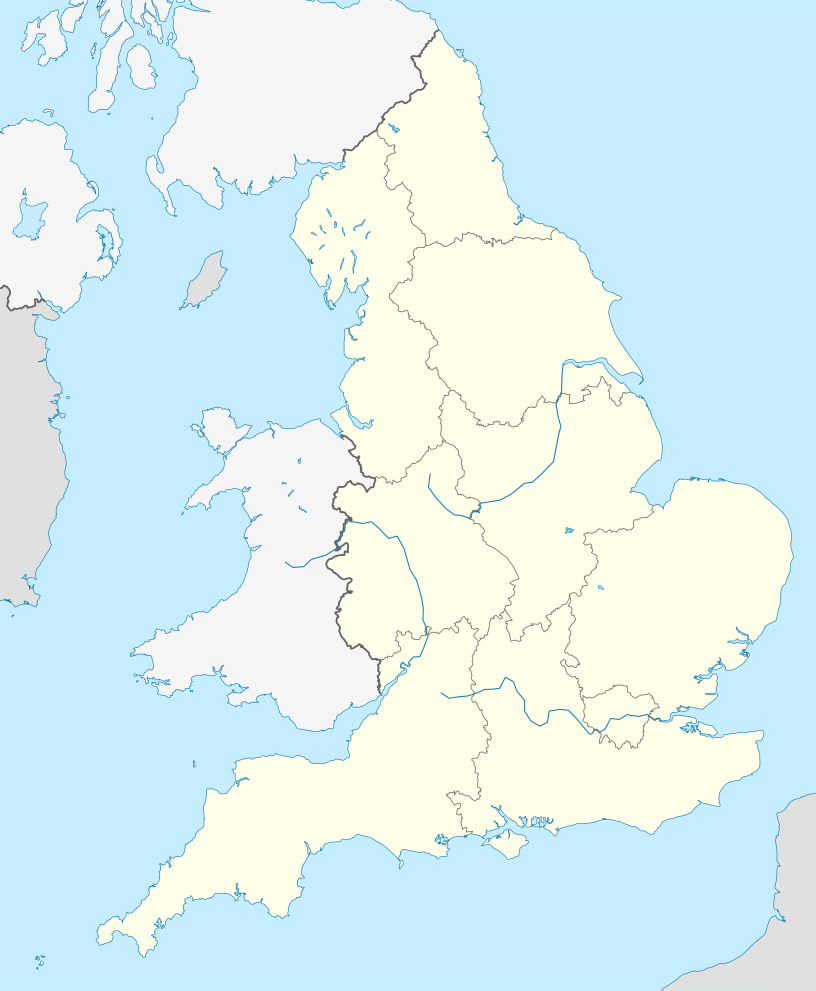
Egleton and Lyndon, Rutland, England · LE15 8BT / LE15 8RN
An internationally protected reservoir wetland where around 25,000 wildfowl can gather in winter. Spring and autumn bring migrant waders and passerines, while the long-running Osprey project gives summer visitors a chance to watch birds over Manton Bay; Great White Egrets, terns, grebes, divers and raptors broaden the year-round interest.
Decide if the visit fits.
Rutland Water Nature Reserve at a glance
Last checked 18 October 2026.
Lyndon Visitor Centre is closed for winter. Permit holders retain daytime access to its reserve; buy permits at the Anglian Water Birdwatching Centre, Egleton.
- Best time
- Spring migration · Ospreys March–September · autumn waders · winter wildfowl
- Opening & entry
- Hours, admission and parking: see Entry below.
- Trails & visit length
- The reserve has two distinct entrances.
- Accessibility
- The Trust identifies many Egleton trails and hides as wheelchair- and pushchair-friendly.
- Facilities
- Both centres list toilets, a shop, picnic provision and baby changing.
- Dogs
- The main reserve and Egleton pages permit assistance dogs only.
- Public transport
- Oakham is the practical railway base for Egleton.
Reserve overview
Rutland Water Nature Reserve reserve and habitat
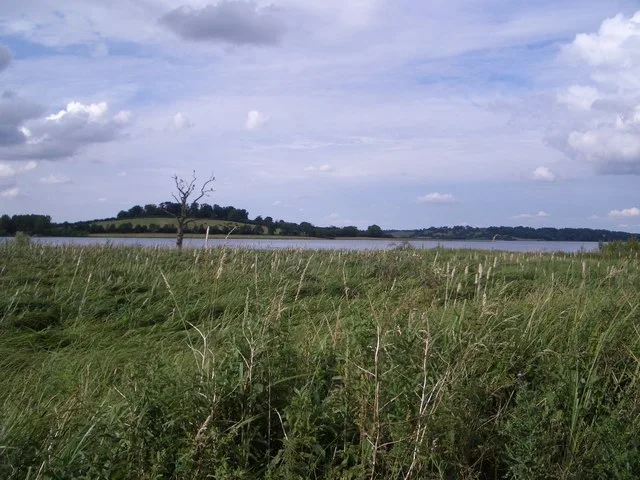
An internationally protected reservoir wetland where around 25,000 wildfowl can gather in winter. Spring and autumn bring migrant waders and passerines, while the long-running Osprey project gives summer visitors a chance to watch birds over Manton Bay; Great White Egrets, terns, grebes, divers and raptors broaden the year-round interest.
Eight checks for a smoother visit.
Planning your visit to Rutland Water Nature Reserve
Conditions change: check the operator and transport notices before travelling.
Rutland Water Nature Reserve best time to visit and seasonal birds
January–February: Wigeon, Teal, Shoveler, Pochard and Tufted Ducks typically gather on the lagoons and reservoir. Begin with the Egleton centre's panoramic outlook in morning light, then choose lagoon hides from the current map. Goldeneye and occasional scarcer diving birds can reward longer scans of deeper water. Work through a whole flock before moving; similar ducks can disappear among resting birds when viewed from only one angle. March–April: returning Ospreys and the arrival of Sand Martins and other hirundines usually make spring especially varied. Use Lyndon's Waderscrape and Shallow Water hides for Manton Bay during the operational season. An early part of the day is useful for woodland song along the approach, while a sustained hide watch provides time for returning birds to appear. Egleton's lagoons add passage birds and grebe displays. May–June: Osprey nesting activity typically draws attention to Manton Bay. Give Waderscrape Hide a long morning session, watching adults bringing material or fish and following the volunteers' guidance. Shallow Water Hide provides another authorised angle. At Egleton, Common Terns, grebes and breeding wetland birds broaden the day. Avoid reducing the visit to a single nest check: feeding flights and quieter family behaviour require time. July–August: young Ospreys, fishing flights and developing wader passage usually overlap. Start with Lyndon's official Manton Bay views, then choose Egleton lagoon hides to inspect shallow margins. Later in summer the Ospreys begin their migration, so use the latest Trust report when planning a target-species trip. Morning can give clearer light, while a second hide watch later shows how feeding birds have redistributed. September–October: autumn typically brings passage waders, growing duck flocks and migrant small birds in hedgerows. Start at Egleton, selecting hides that overlook suitable exposed mud and open water. Pochards, Shovelers and Wigeon become increasingly useful identification targets. Manton Bay is worth a scan for waterbirds after the main Osprey season, but the Lyndon building's winter closure changes how a visit is organised. November–December: large wildfowl gatherings usually make a deliberate lagoon circuit productive. Begin with a broad Egleton scan, then examine feeding edges and deeper water from selected hides. Goldeneye and other diving ducks can be more obvious when they surface together after a feeding bout. Short daylight favours a manageable circuit with time to return to the strongest view, rather than trying to visit every hide in one afternoon.
Rutland Water Nature Reserve opening times, entry and facilities
2026 day permits, effective from 1 April and checked on 18 October, cost £8.50 adult, £7.50 concession or £20 for two adults and up to three children. Wildlife Trust members receive a 10% day-permit discount. The permit includes parking and same-day access to both Egleton and Lyndon. Anglian Water also lists November–February afternoon permits at £6.50 adult and £4.50 concession. Egleton opens 09:00–17:00 in summer and 09:00–16:00 in winter, closing 24–25 December. Lyndon's 2026 staffed season ran 2 March–30 September, 09:00–17:00. Its centre is now closed for winter, while permit holders retain daytime reserve access and obtain permits at Egleton. Check the Trust's current opening and access notices before travelling, particularly near a seasonal change.
Rutland Water Nature Reserve trails, hides and visit length
The reserve has two distinct entrances. Egleton's Anglian Water Birdwatching Centre leads into the larger lagoon-and-hide network, with reedbeds, meadows, hedgerows and woodland between the waters. Lyndon follows the south shore towards Manton Bay, where Waderscrape and Shallow Water hides provide the managed Osprey views. One is a broad wetland day; the other makes a focused bay visit, and neither requires visiting every available hide. Two-hour plan: for Ospreys during their season, start at Lyndon and take the signed path towards the two Manton Bay hides. Give one hide a sustained watch, then compare the other only if time allows. Walk back slowly for songbirds and water-edge activity. For a winter visit, start at Egleton instead, use the centre outlook to choose a compact group of lagoon hides and keep time for a second look at the most active pool. Full-day plan: spend the morning in Egleton's lagoon network, recording which water levels and margins hold the busiest flocks. Take a proper break rather than walking continuously between windows. In the Osprey season, move separately to Lyndon for a later Manton Bay watch; alternatively, stay at Egleton and explore a contrasting part of the lagoon system. In winter, use the shorter day for fewer, longer watches. This is an editorial allocation of time, not a booked guided itinerary. Carry the current reserve map and decide on the return route before following a distant sighting report. A telescope helps across open water, while binoculars are quicker along the hedges. The Trust distinguishes the wildlife reserve from the wider reservoir's recreation areas: games, barbecues and sitting at the water's edge are inappropriate inside the reserve. Remain on its public paths and watch breeding birds from the hides rather than looking for closer nest positions.
Rutland Water Nature Reserve accessibility and step-free routes
The Trust identifies many Egleton trails and hides as wheelchair- and pushchair-friendly. A hire electric buggy is available there by advance telephone arrangement. The published charge is £25 including a £15 returnable deposit, or £20 including that deposit for Leicestershire and Rutland Wildlife Trust members. Discuss the intended distance and equipment needs when booking rather than assuming a buggy will be waiting without a reservation. At Lyndon, the upper path is described as suitable for mobility scooters and pushchairs. Scooter hire is £10 including reserve access, with a separate £20 refundable deposit. Arrange it with the centre before travelling and establish availability during its operational season. The lower and upper route choices should be assessed separately if a slope or natural surface would cause difficulty. Accessible toilets and disabled parking are listed at Egleton; Lyndon also lists an accessible toilet. Use each centre's current information to choose the correct arrival point. The official map marks an accessible route, but the length of the whole reserve makes route selection important even where individual sections are suitable. Build in rest time and explain any essential doorway, transfer or independent-access requirement to the team.
Rutland Water Nature Reserve visitor facilities
Both centres list toilets, a shop, picnic provision and baby changing. Egleton provides wildlife displays, refreshments and tea-and-coffee facilities; nearby cafés offer a longer lunch option. Lyndon has interpretation about the Osprey project and light refreshments during its staffed season. Bring food and water for a full lagoon day, especially when travelling between entrances. Keep bags and tripod legs clear of hide doors and viewing spaces so other visitors can use them comfortably.
Rutland Water Nature Reserve dog rules
The main reserve and Egleton pages permit assistance dogs only. Lyndon's own page separately says dogs on leads. Because those official descriptions differ, confirm a pet-dog visit with Lyndon directly before travelling and do not assume access across both entrances. Keep assistance dogs controlled around wildlife and leave other hide users room.
Rutland Water Nature Reserve public transport and getting there
Oakham is the practical railway base for Egleton. Prebook a taxi from the station to the Anglian Water Birdwatching Centre for the most direct final connection, and arrange the return pickup. Specify Egleton rather than simply Rutland Water, since the reservoir has several visitor areas and Lyndon is a separate entrance. Rutland County Council's current Egleton transport page lists Callconnect, an on-demand service requiring advance booking, rather than a regular numbered village bus. Visitors as well as residents can register. Book through the app or 0345 234 3344, agree the actual drop-off and return, and allow for the pickup window. The council says reservations can be made up to seven days ahead and require at least one hour's notice; a fixed rail connection benefits from a larger margin. For Lyndon, check the council's journey planner for the precise date and village connection or arrange a taxi. Do not rely on older references to withdrawn rural services. Drivers should select the entrance matching their plan: Egleton uses LE15 8BT, while Lyndon's south-shore approach is off Lyndon Road, Manton, LE15 8RN.
Useful bases for an early start.
Where to stay near Rutland Water Nature Reserve
Booking.com links are affiliate links: we may earn a commission at no extra cost to you. How these links work.
- 01
Oakham
About 2.2 miles by road, roughly 5 minutes’ drive from the mapped town-centre point to Egleton birdwatching centre. OpenStreetMap estimate for Oakham, measured 18 October 2026. For the Oakham journey linked to Rutland Water Nature Reserve, leave additional time for traffic and reaching your precise accommodation address.
Measured driving route · 2026-10-18. Map estimates exclude live traffic.
Rail arrivals and the nearest practical town.Find places to stay in Oakham on Booking.com - 02
Uppingham
About 5.6 miles by road, roughly 11 minutes’ drive from the mapped town-centre point to Egleton birdwatching centre. OpenStreetMap estimate for Uppingham, measured 18 October 2026. For the Uppingham journey linked to Rutland Water Nature Reserve, leave additional time for traffic and reaching your precise accommodation address.
Measured driving route · 2026-10-18. Map estimates exclude live traffic.
A town base south of the reserve.Find places to stay in Uppingham on Booking.com - 03
Stamford
About 11.6 miles by road, roughly 19 minutes’ drive from the mapped town-centre point to Egleton birdwatching centre. OpenStreetMap estimate for Stamford, measured 18 October 2026. For the Stamford journey linked to Rutland Water Nature Reserve, leave additional time for traffic and reaching your precise accommodation address.
Measured driving route · 2026-10-18. Map estimates exclude live traffic.
A wider Rutland and Lincolnshire itinerary.Find places to stay in Stamford on Booking.com
Rutland Water Nature Reserve official sightings, safety and contact
For Egleton contact the Anglian Water Birdwatching Centre on 01572 770651 or info@lrwt.org.uk. Lyndon uses 01572 737378 and lyndoncentre@lrwt.org.uk. Explain which entrance, hide or hire equipment you mean when asking about a visit. The Trust's Rutland Ospreys pages provide the managed nest views and dated seasonal updates; the reserve map covers the wider trails. Read the latest project report before travelling late in summer specifically for Ospreys, as migration changes the experience.
Best months for this reserve
Nearby complete guides.
Bird reserves near Rutland Water Nature Reserve
Stops with a purpose: use one as a contrasting habitat or weather-proof Plan B. Distances are straight-line estimates, not road journeys.
- About 28 miles away · A useful habitat changeRSPB Nene WashesWinter flooded washland; spring snipe and marsh birds
- About 28 miles away · A familiar habitatAttenborough Nature ReserveWinter ducks · spring and summer wetland birds
- About 30 miles away · A familiar habitatGrafham WaterWinter ducks and grebes; spring woodland song; autumn migration