
Journal · Practical UK birdwatching
September birdwatching in the UK
Choose an estuary, a migration coast or an inland wetland, then let tide, wind and available daylight shape your September visit.
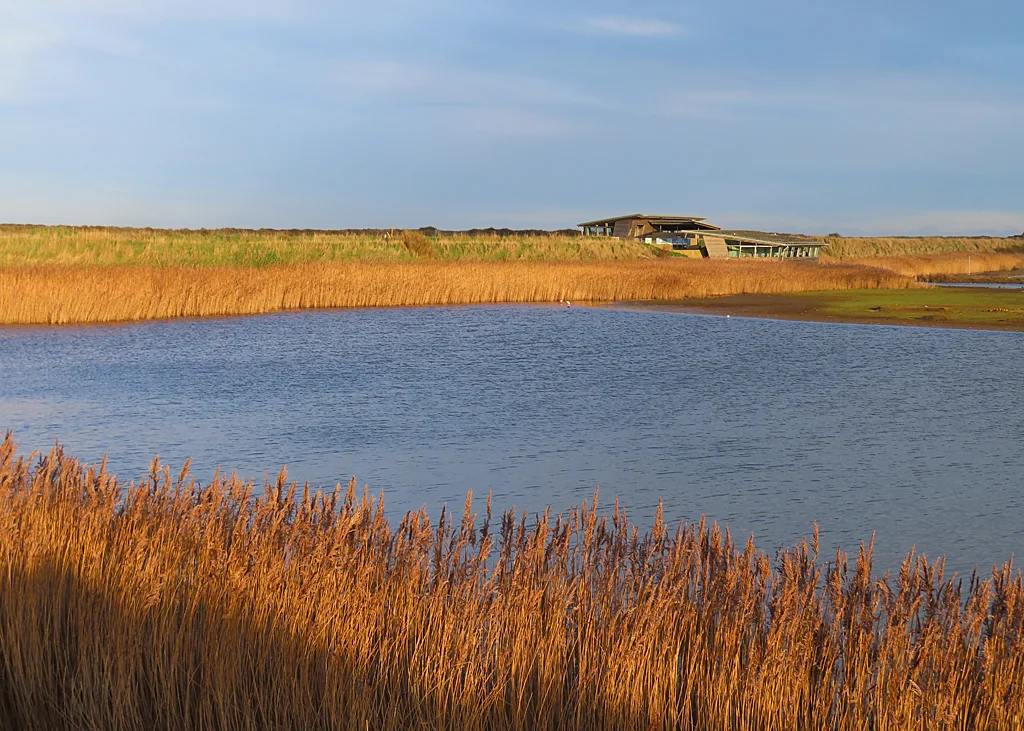
Where to go birdwatching in September
Our choice for a first September outing is a wetland with several habitats close together. You can watch feeding birds, practise identification and change the route when the weather turns without making the whole day depend on one migrant. RSPB Titchwell Marsh and RSPB Minsmere are useful starting points: choose the reserve that fits the journey, then read its guide for current access and a manageable walking plan. A slower visit usually teaches more than a coast-wide chase.
September often feels like two seasons overlapping. Summer visitors are leaving, passage birds are stopping to feed and the first winter arrivals begin to change the atmosphere. BTO’s migration information explains those movements through seasonal reporting patterns. Look for the change at your own site rather than expecting every visit to produce an unusual bird. A familiar pool can become interesting because the birds are behaving differently.
Choose an estuary for waders
An estuary is a strong choice when you enjoy watching a whole landscape work. Start by understanding which ground is exposed and where birds can feed safely as the water moves. RSPB Snettisham is a specialist choice for the Wash; RSPB Frampton Marsh adds managed wetland viewing. Read each guide before deciding which suits your walking distance, facilities and available time. The biggest flock is less useful if it lies beyond your comfortable viewing range.
Bring a notebook and draw the main feeding zones. Separate the small, quick-feeding birds from the larger, longer-legged ones before attempting every identification. Notice bill length, feeding action and the way a group moves together. A telescope helps with distant flocks, but binoculars and patient comparisons still give a rewarding session. Give resting birds ample room, especially when the advancing water has reduced the places available to them.
Choose a headland for migration
Spurn National Nature Reserve and Flamborough Head and Flamborough Bird Observatory suit readers who want to understand coastal movement. These are destinations for time outdoors, repeated scanning and adapting to conditions. Open the guide for the site you choose, check official access advice, and decide where you can stand comfortably while keeping a clear return route. A headland should earn its place in the plan through the weather and your interests, rather than the excitement of yesterday’s report.
Work one patch of shelter thoroughly. Watch the edge of scrub, a fence line and a clear section of sky in turn. A bird briefly crossing the path may be the beginning of an observation rather than enough evidence for a name. Note what you actually saw and resist filling the gaps from an expected species list. Coastal wind can make exposed viewpoints unpleasant; a sheltered wetland is a sensible alternative when sustained watching becomes difficult.
Inland wetlands are worth a full day
You can enjoy September movement without reaching the sea. Rutland Water Nature Reserve offers an inland-water setting, while RSPB Leighton Moss brings reedbed watching into the choice. Select one as the main destination and use its guide to find the right entrance and route. A reservoir or reedbed can reward a whole day of looking carefully; adding a distant second stop often reduces the useful time at both.
Scan shorelines first, then open water, then the air above it. Returning to a viewpoint later can reveal how light, disturbance and feeding activity have changed what is visible. Take a proper break between scans. Your eyes and concentration are part of the equipment, and a tired final hour may produce less reliable identification than a shorter, attentive session. Ask staff which public areas are currently rewarding without requesting directions to sensitive birds.
September birding in Scotland, Wales and Northern Ireland
Montrose Basin is a Scottish option for readers drawn to tidal water and changing flocks. RSPB Loch of Strathbeg provides a different north-east wetland choice. In Wales, compare RSPB Conwy with RSPB Newport Wetlands: the journey and the kind of landscape you want should settle the decision. Northern Ireland readers can begin with RSPB Belfast Window on Wildlife or WWT Castle Espie, using the individual guides to match access needs and facilities.
These are alternatives across the country, rather than a suggested route between nations. Keep the same method wherever you go: identify a main viewing habitat, allow time to learn its common birds and leave room for a change in weather. A local reserve you can revisit after a week is often the better September classroom. Compare notes between visits and the seasonal story becomes much clearer than a single hurried day can show.
How to use tides without crowding birds
Find the correct local tide prediction before leaving, then compare it with the reserve’s own advice. High water can concentrate birds, but its value depends on the site, the height of the tide and the position of safe viewpoints. Avoid turning a general rule into an exact arrival time. The reserve guide is the place for the specific approach; this page helps you choose whether a tidal day suits the trip.
Pick a position early enough to settle and let the birds approach on their own terms. Do not step onto mud or cross saltmarsh channels to shorten the view. Keep access clear for other visitors and accept closures even when birds appear closer beyond a barrier. If a flock becomes alert because of your movement, back away. Feeding and resting opportunities matter more than completing a photograph.
What September wind and rain change
Use the Met Office forecast to plan comfort and safety, then keep a flexible birding aim. Rain may make a hide attractive; strong wind may favour a lower, sheltered circuit. On an unfamiliar coast, the condition of the path and the exposure of the return journey should determine the limit of the walk. A warm, dry pause can rescue an enjoyable afternoon more effectively than pushing towards another windswept viewpoint.
Avoid claiming that a particular wind will deliver a particular bird. Migration involves broad movements, local conditions and individual decisions that a visitor cannot control. Your useful decisions are smaller: which direction gives comfortable viewing, where rain will reach your optics and how much daylight remains for the return. Save the map and official notices before leaving reliable reception. Keep waterproofs accessible rather than buried beneath food and equipment.
A September weekend worth slowing down for
Our choice for a first coastal weekend is the North Norfolk weekend. Use the trip’s reserve sequence and travel advice, then give one day to tidal or coastal watching and the other to whichever habitat you enjoyed most. September rewards a second look. You may notice a feeding method, a plumage difference or a change in flock behaviour that passed unnoticed during the first hour.
If Suffolk is easier to reach, compare the Suffolk coast trip before booking. Keep accommodation practical for the main reserve, especially if an early start matters to you. Plan meals and rest as carefully as viewpoints. A weekend becomes more relaxing when there is one principal destination each day and a clear fallback, with extra stops reserved for time and energy that genuinely remain.
Record the month without chasing a total
Write the date, broad location, habitat, weather and what the bird was doing. Add identification features before opening an app or field guide. A brief sketch of size and bill shape can be more useful later than a confident name written too quickly. BTO’s BirdTrack accepts observations that help describe bird distribution and movement; follow its guidance and the relevant recording arrangements when submitting records.
Finish by choosing something to revisit. It might be a familiar wader group, a reedbed sound or an overlooked common bird. Follow the September month guide for the wider seasonal plan, the winter big skies collection when thinking ahead, and responsible sightings before posting a location. Autumn is more satisfying when your knowledge grows alongside the list.
Reserve guides for this visit
Sources and review
- Confirmed: BTO Migration Blog — seasonal movement context
- Confirmed: BTO BirdTrack — recording bird distribution and migration
- Confirmed: BTO Birders’ Code — disturbance, access and sharing sightings
- Confirmed: Met Office — UK forecasts
- Confirmed: RSPB Titchwell Marsh — operator habitat and visit information
- Confirmed: RSPB Minsmere — operator habitat and visit information
- Confirmed: RSPB Snettisham — operator habitat and visit information
- Confirmed: RSPB Frampton Marsh — operator habitat and visit information
- Confirmed: Spurn National Nature Reserve — operator habitat and visit information
- Confirmed: Flamborough Head and Flamborough Bird Observatory — operator habitat and visit information
- Confirmed: Rutland Water Nature Reserve — operator habitat and visit information
- Confirmed: RSPB Leighton Moss — operator habitat and visit information
- Confirmed: Montrose Basin — operator habitat and visit information
- Confirmed: RSPB Loch of Strathbeg — operator habitat and visit information
- Confirmed: RSPB Conwy — operator habitat and visit information
- Confirmed: RSPB Newport Wetlands — operator habitat and visit information
- Confirmed: RSPB Belfast Window on Wildlife — operator habitat and visit information
- Confirmed: WWT Castle Espie — operator habitat and visit information