
UK birdwatching calendar
October birdwatching in the UK
October is our choice for combining autumn migration with the return of winter wetland birds. Plan a flexible estuary or freshwater day, use tides carefully and leave room for the weather to change the itinerary.
What changes in the birding year in October
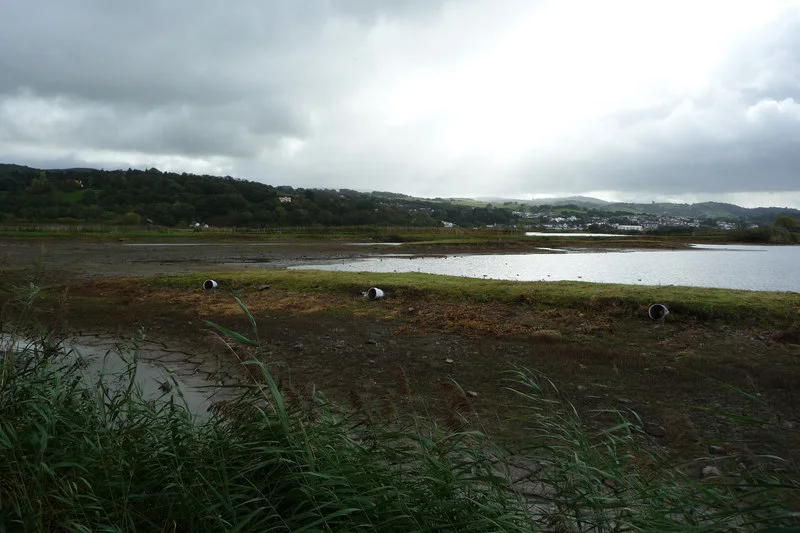
October usually brings a sharper sense of transition than September. Departures and arrivals overlap, the light changes quickly and a wetland can acquire a distinctly winter character while sheltered woodland still feels autumnal. Begin with the kind of birdwatching you enjoy most. Our recommendation for an unhurried day is a waterbird reserve with reliable public viewpoints, where the seasonal change can be appreciated without needing to predict a particular migration event.
Two October interests can fit around a wetland day without adding a long journey. The RSPB describes Redwing migration calls typically from late September through October, and highlights Bearded Tits becoming more visible around reedbeds in autumn. Listen from an ordinary safe public place for overhead calls, and use operator-managed viewing opportunities for reedbed birds. A short sound may remain unidentified; enjoy hearing movement without forcing a name. At a reedbed, stand quietly and let any view develop on the birds’ terms.
Geese, ducks and thrushes are among the groups to think about as the month advances, but timing varies with species, geography and weather. Treat a month as a broad season rather than a precise appointment. A visit early in October can differ substantially from one at the end. Keep notes from repeat visits and compare your own observations, resisting the temptation to turn one memorable year into a rule for every future holiday.
The year's learning also starts to come together. Wader structure practised in summer becomes useful in a more mixed flock; woodland contact calls help locate birds when song is limited; tide awareness makes a coastal morning more purposeful. Choose one of those skills to develop on each outing. A familiar reserve is especially helpful because the route is already known, leaving more attention for a changed flock or a new sound from the trees.
Where to see October geese, ducks and waders
RSPB Loch of Strathbeg and RSPB Mersehead are our contrasting Scottish autumn options, with their operators highlighting Pink-footed Geese and Barnacle Geese respectively in the autumn and winter season. Choose the reserve that fits the wider journey and follow its current access advice. Watch from the official visitor places and enjoy the birds' own movements. There is no need to follow a flock between fields to make the day worthwhile.
In Northern Ireland, RSPB Portmore Lough describes October arrivals of Whooper Swans and Greylag Geese, alongside its wider autumn wildfowl interest. Use that seasonal context to plan, then let the actual birds determine the watch. RSPB Belfast Window on Wildlife offers a different session, connecting public wetland views with the tide's influence on feeding birds. Comparing freshwater and estuary days is a useful way to understand why waterbirds gather in different places.
For waders, RSPB Snettisham deserves a date chosen from the operator's tide advice, while RSPB Conwy links lagoon refuge with estuary movement. RSPB Titchwell Marsh and RSPB Frampton Marsh give further English wetland choices. Our preference is to select one appropriate base and spend time learning it. A tightly packed tour can leave you travelling through the best light and arriving just as the conditions that mattered have changed.
How to plan October birdwatching around weather and tides
Shortening days make a generous return margin more important. Note sunset, the duration of the walk and how easy the public route will be to follow in poor light. A late flock is absorbing, so decide your finish time before the watch begins. Carry enough warm clothing for standing still, particularly around the hands and feet. Walking layers alone can feel inadequate once you have settled behind binoculars in an exposed wind.
Read the reserve guide's tide section rather than planning from a generic high-water time. Check the relevant official advice for the day and keep away from ground affected by incoming water. Wind and poor visibility can make a distant flock difficult to study even when the tide stage looks promising. Our choice is to keep a shorter sheltered option ready, so changing the plan feels like a sensible part of the day.
Wet paths, slippery boardwalks and strong gusts are reasons to slow down and reduce the circuit. Pack optics where you can protect them while walking, and stop before using them rather than scanning on the move near an edge. For a family or mixed-ability group, agree how everyone will stay comfortable. A warm break followed by another useful half-hour often gives more enjoyment than continuing until cold makes the whole party impatient to leave.
An October birdwatching weekend in North Norfolk
Use the North Norfolk weekend trip for a two-day visit with different purposes. Spend one day at Titchwell comparing habitats and waterbird groups, and use Snettisham when the published tide conditions suit the spectacle you want. Make the overnight base fit the route rather than a list of every possible coastal stop. Our choice is to leave one half-day adjustable, allowing weather, light and the interests of the party to influence it.
Give the weekend a simple thread: how birds use safe feeding and resting places. At each reserve, sketch a rough view and note the groups using each part. Return to a promising viewpoint before leaving, looking for changes rather than merely new species. The exercise works whether the birds are abundant or scattered. It also makes conversations over dinner more interesting than comparing totals, because everyone has noticed a different part of the same landscape.
How to watch October flocks responsibly
Resting birds need space even when no nest is involved. Keep to the public route, avoid approaching a flock from several directions and leave a clear gap when walking past a shoreline group. If birds begin to move away repeatedly, increase the distance before they have to fly. Use binoculars or a scope to bring the view closer, and accept that some photographs are better left untaken when the approach would interrupt feeding.
Share sightings with context and care. A note that explains the view, identification features and level of certainty is more useful than an unsupported claim. Follow operator advice about sensitive records and restrict public directions to authorised places. Keep the quiet habits that help everyone in a hide: close doors gently, avoid blocking viewing slots and offer shorter visitors a chance to see. October's busy bird movements are easier to enjoy when human movement remains considerate.
Finish by looking ahead to November without rushing October away. Note which habitats held activity, which clothing worked and whether the tide plan gave enough time. That information makes the next outing more comfortable and more observant. You can learn a great deal by returning to the same reserve after a few weeks, watching the balance of birds change while the paths and landmarks remain familiar. Let that continuity matter as much as the excitement of somewhere new.
Where to go birdwatching in England in October
RSPB Titchwell Marsh
Titchwell is our October recommendation for a broad wetland day. Compare the groups using different waters and take enough time for birds to reveal their feeding methods. The guide helps with current access and facilities, leaving the monthly plan to focus on observation. Our suggestion is to repeat a productive viewpoint later in the visit, when different light may make identification easier.
RSPB Frampton Marsh
Frampton suits a visitor who wants to study autumn waterbird groups against an open landscape. Scan the nearer edges before moving to distant shapes, and compare size and posture where several birds stand together. Our preference is a calm, sustained session with a comfortable break, rather than a race around the circuit. Use the reserve guide to judge the practical day for your party.
RSPB Snettisham
Snettisham is the place to choose with a specific tide plan if the large wader spectacle is your priority. Consult the official selected dates and leave generous walking time. Our October advice is to prepare for standing in coastal wind, then let the flock's behaviour hold your attention. Keep the authorised viewing positions quiet and allow birds to choose their resting space.
Where to go birdwatching in Scotland in October
RSPB Loch of Strathbeg
Loch of Strathbeg is our October Scottish option for an autumn goose landscape. The operator highlights Pink-footed Geese in this season; the visit should follow its current access advice and use official viewpoints. Watch broad movements and listen as well as look. Our preferred approach is to appreciate the whole wetland scene without driving after birds when they leave the immediate view.
RSPB Mersehead
Mersehead is a Solway choice where autumn Barnacle Geese form part of the operator-described appeal. Choose a manageable route and settle where the view is comfortable. It is worth observing how birds share the landscape rather than concentrating only on flock size. The reserve guide holds the practical detail, including the information needed to choose between a wetland outing and more exposed coastal walking.
RSPB Lochwinnoch
Lochwinnoch is our freshwater alternative for a western Scottish October day. Compare the waterbird groups available from public views and use sheltered pauses to listen for woodland activity. Choose the actual conditions over an ambitious distance target. Our suggested exercise is to describe one unfamiliar duck carefully, then revisit it later; changed posture or a better angle may resolve what the first view could not.
Where to go birdwatching in Wales in October
RSPB Conwy
Conwy gives a Welsh October watch with a clear connection between estuary tide and lagoon refuge. Watch where groups arrive and where they settle, then compare feeding with resting behaviour. Our advice is to choose a comfortable sustained view rather than repeatedly moving for a closer angle. Read the guide for the public route and let the birds retain control of their own distance.
RSPB Ynys-hir
Ynys-hir suits an October visit combining woodland atmosphere with open wetland views. Plan around the route that fits your group, allowing for wet conditions and shorter daylight. Our preference is to pause frequently and follow sounds through a limited area before moving on. A mixed flock watched well can be as rewarding as a distant waterbird scene, especially when the weather favours shelter.
RSPB Newport Wetlands
Newport Wetlands offers a South Wales choice for observing autumn through reedbed and estuary habitats. Listen before raising binoculars and watch cover edges patiently from the public path. Our recommendation is to keep an evening extension optional, guided by current operator advice and available daylight. A daytime visit already has its own value; it need not depend on a particular dusk gathering.
Where to go birdwatching in Northern Ireland in October
RSPB Belfast Window on Wildlife
Belfast Window on Wildlife is our Northern Irish option for a compact October wetland session. Read how tide affects the reserve's birds, then compare the groups using the permitted views. Be patient with distant ducks and waders; several ordinary observations make a stronger identification than one ambiguous feature. Our choice for beginners is a shorter visit with time to discuss the birds while still there.
RSPB Portmore Lough
Portmore Lough is an October choice for the developing winter waterbird season. The operator places Whooper Swan and Greylag Goose arrivals in this month, with the exact scene varying naturally. Use the public viewing facilities and compare different groups across the water. Our advice is to combine the broad spectacle with a closer study of common birds, making the visit useful whatever has arrived.
WWT Castle Espie
Castle Espie provides another Northern Irish wetland setting on Strangford Lough. Use the guide to choose the visit that suits your companions, and distinguish centre birds from those using the wider shore. Our October recommendation is to leave plenty of time for a relaxed watch and a break. Pay attention to the relationship between feeding space, tide and resting birds rather than seeking a particular count.
More reserves to consider in October
Plan your October birdwatching trip
Sources for birdwatching in October
- Confirmed: RSPB seasonal overview for October
- Confirmed: RSPB Titchwell Marsh operator habitat and seasonal guidance
- Confirmed: RSPB Frampton Marsh operator habitat and seasonal guidance
- Confirmed: RSPB Snettisham operator habitat and seasonal guidance
- Confirmed: RSPB Loch of Strathbeg operator habitat and seasonal guidance
- Confirmed: RSPB Mersehead operator habitat and seasonal guidance
- Confirmed: RSPB Lochwinnoch operator habitat and seasonal guidance
- Confirmed: RSPB Conwy operator habitat and seasonal guidance
- Confirmed: RSPB Ynys-hir operator habitat and seasonal guidance
- Confirmed: RSPB Newport Wetlands operator habitat and seasonal guidance
- Confirmed: RSPB Belfast Window on Wildlife operator habitat and seasonal guidance
- Confirmed: RSPB Portmore Lough operator habitat and seasonal guidance
- Confirmed: WWT Castle Espie visitor and wetland information