
Fieldcraft · Practical UK birdwatching
How to identify birds by listening
Stop walking, separate the sounds around you and follow one voice at a time. Listening gives a woodland or reedbed visit a useful shape, even when the birds remain hidden.
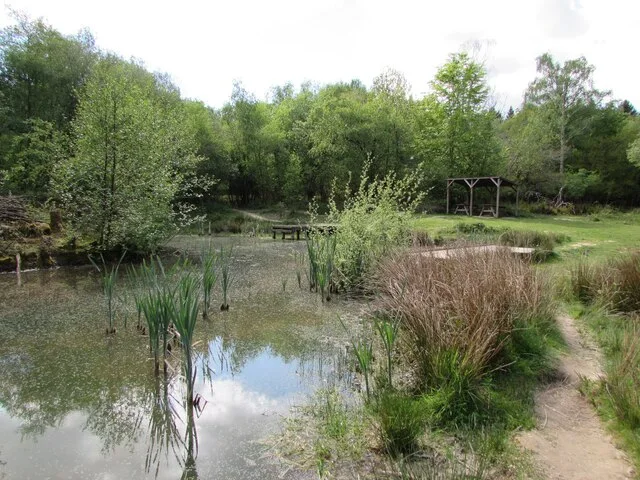
How to start listening for birds
Choose somewhere on a permitted path where you can stand comfortably without blocking it. Put the binoculars down for a moment and let the first impression settle. Traffic, wind and other visitors may dominate at first. Pick the nearest distinct bird sound and listen through several repetitions. Resist the temptation to name everything in the first minute. Our choice for a beginner’s exercise is one voice followed patiently, because it gives you something you can remember and check afterwards.
Build a rough sound map. Is the voice ahead, behind, above the path or low in the vegetation? Give it an ordinary description: three clear whistles, a dry rattle, a descending phrase or a short repeated squeak. These words need only make sense to you. Turning the whole body slowly can help you compare directions; wandering backwards and forwards usually makes it harder to keep track of the same individual.
How to remember a bird song
Listen for the shape of a phrase before its exact notes. Notice whether it is evenly paced, changes speed, stops abruptly or trails away. Count repeated parts only when they are genuinely clear. Then listen for the silence between phrases. A voice can be recognisable because of its rhythm, even when distance and leaves soften its tone. Say your description quietly to yourself or put a few words in a notebook while the sound is fresh.
Use a familiar species as an anchor. Once you can recognise one regular voice on your local route, it becomes easier to hear an unfamiliar one alongside it. A sound recording can help with later comparison where recording is permitted, but avoid playing it back in the field. BTO advises against relying solely on automatic identification tools for submitted records. Treat an app’s suggestion as a question to investigate using the sound, habitat and any view you obtain.
How to find the bird after hearing it
Keep your eyes on the part of the tree or reed edge that matches the sound, then raise the binoculars without shifting your gaze. Look at the whole patch before zooming in on a tiny gap. A bird may move between calls, so allow for a different perch rather than forcing the original location to fit. If you lose the voice, lower the binoculars and listen again. This is a useful reset, especially with a narrow binocular view.
A brief view can still help. Note whether the bird is clinging to a stem, sitting upright on a branch or working along a trunk. Match the observation with the phrase you heard, keeping any uncertainty attached. Hearing a sound and seeing a nearby bird do not automatically establish that they belong together. Wait for a repeated phrase from the visible bird if you can; otherwise record the sound separately from the visual identification.
Practise it here: woodland and reedbed listening
At RSPB Nagshead, choose a signed woodland route and make three listening pauses rather than trying to cover every path. In RSPB The Lodge, compare the sound around woodland cover with a more open section of the visitor route. Use the reserve guides to decide access and facilities. The lesson is to recognise how your listening changes between sheltered vegetation and open ground, without turning a particular species into the condition for a successful day.
RSPB Leighton Moss offers a contrasting reedbed setting, while RSPB Ynys-hir suits a visit that compares woodland and wetland listening. Spend a short session describing sounds in each habitat. Write down the direction and height of the source before consulting a guide. On a return visit, repeat one of the stops. Familiarity with the ordinary voices at the same place is more helpful than collecting a long sequence of uncertain recordings from different reserves.
When to stay still and when to move on
Keep listening sessions comfortable and voluntary. If you find it difficult to separate overlapping sounds, move to a quieter permitted stopping place or concentrate on visible behaviour instead. Birding can be rewarding through several senses, and hearing ability varies. A companion can describe a sound’s rhythm while you follow its likely source visually. Agree a simple direction system, such as left of the large oak, so that assistance does not become a running stream of confusing instructions.
Leave a bird alone if your presence brings repeated alarm calls or interrupts its movement. Do not investigate a hidden nest or use playback to obtain a confirming view. Save comparison recordings for home, or listen through headphones away from the birds at a low level that still allows awareness of your surroundings. End by writing one voice you recognised, one you described but could not name, and one question for the next visit. That is a clear route to improving your ear.