
Fieldcraft · Practical UK birdwatching
When to stop birdwatching and head back
Set a return time before you begin, then bring it forward when weather, fatigue or bird behaviour calls for it. Good fieldcraft includes leaving a promising place while the visit is still safe and considerate.
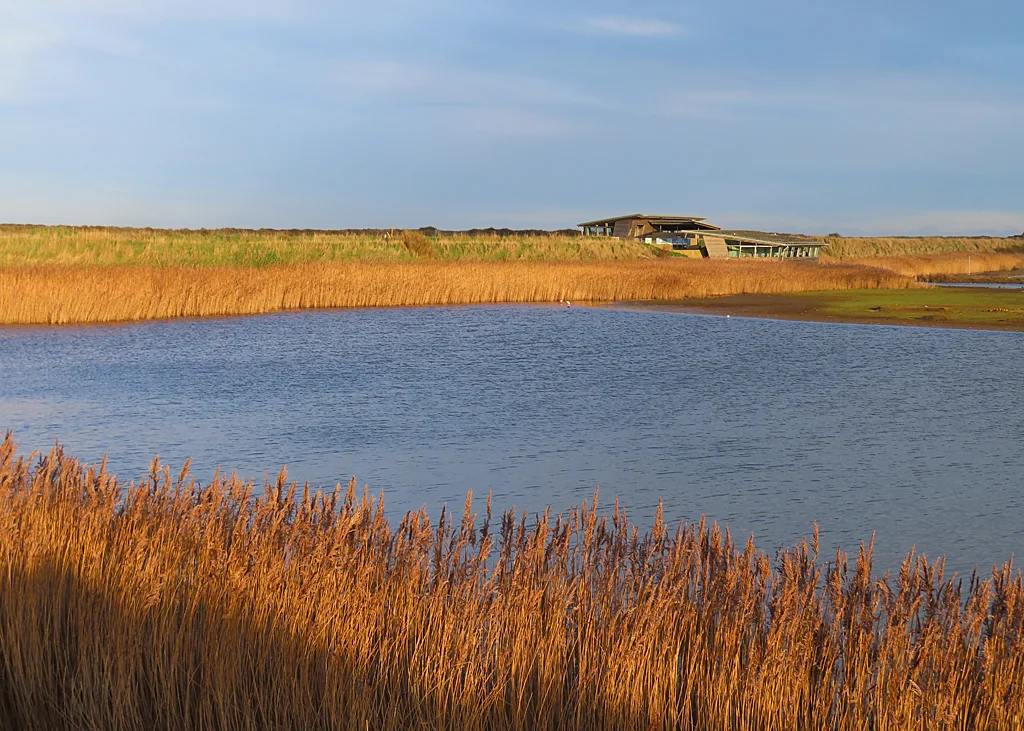
How to set a sensible birdwatching finish time
Work backwards from the journey home, the site’s closing arrangements and the time needed to return comfortably. Leave room to pack equipment, use facilities and deal with an ordinary delay. If you are relying on public transport, know the service you intend to catch and the consequences of missing it. A promising last observation is easier to assess when the return plan is already clear rather than being negotiated at the far end of the reserve.
Our choice is to set a definite latest departure from the final viewpoint, with an earlier optional finish. Share it with companions before setting out, including anyone whose pace or energy may differ from yours. Agree that changing the plan is an ordinary part of the day. A person who is cold, tired or uncomfortable should not have to prove that conditions are serious before the group is willing to return.
When weather should change your birding plan
Read the forecast and operator notices before travelling, then keep looking at the actual conditions. A forecast describes expectations; the route in front of you may already be wetter, windier or less visible than you anticipated. Shorten the walk if footing becomes awkward or the view is no longer usable. Follow reserve closures promptly. Do not treat the distance you have travelled as a reason to continue onto an unsuitable path.
On the coast, use local tide information and the operator’s route advice together. RNLI recommends checking weather and tides, telling someone your plan and carrying a way to call for help. Stay away from cliff and waterside edges, including during an attempt to get a final photograph. If poor visibility removes the landmarks you were using, return while the permitted route is still clear. A final scan is rarely worth allowing the exit to become more difficult.
How fatigue affects bird identification
Notice when concentration starts to slip. You may repeatedly lose the bird, forget which sector you counted or accept identifications without seeing the feature that supports them. Cold hands, hunger, an uncomfortable posture and tired eyes can all make a watch less rewarding. Take a break in a suitable place, use food and drink you have brought where allowed, and decide whether another session would genuinely be enjoyable.
Keep uncertain records uncertain, especially near the end of a long day. An identification does not become stronger because you have invested hours waiting for the bird. Write what you saw and leave the decision open when necessary. If a companion has a better view, ask them to describe the feature rather than simply borrowing their conclusion. Finishing with a few sound observations is more useful than adding a tired guess that later becomes difficult to explain.
Practise it here: choose a clear turnaround point
At RSPB Titchwell Marsh, select a permitted route that suits the conditions and decide where you will turn back before beginning the outward walk. Use the reserve guide for the practical details, including the distance and facilities relevant to your needs. At RSPB Bempton Cliffs, choose an official viewpoint and set a comfortable end to the session. Leave the camera packed when wind or fatigue makes safe footing the more important task.
At RSPB Nagshead, make the exercise a short woodland visit with one purposeful stop, then return at the agreed time even if the next path looks inviting. At RSPB Leighton Moss, choose a manageable watch from the authorised visitor network and build in a break. These are examples of planning a finish, not recommendations to walk every available route. Repeating a modest circuit can build knowledge without stretching the day beyond your comfort.
When to stop watching a particular bird
End the encounter if your presence repeatedly interrupts feeding, produces alarm behaviour or makes the bird move away. Give it space rather than waiting for the perfect confirmation or photograph. Leave sensitive breeding activity alone and follow staff instructions or suppression requests. A bird that has become hidden does not need to be found again. Keep to the visitor route and let an encounter finish naturally when the individual moves beyond it.
After returning, note one thing you learned and one reason the finish time worked or needed adjusting. Keep the account practical: a longer walk than expected, glare at the last hide or a useful earlier bus. Use that information for the next trip. A successful day can end with ordinary birds, an incomplete list and energy left for the journey home. The reward is a visit you can repeat, with better judgement and continuing pleasure in the place.
Make room for an easy final observation near the exit if time and conditions permit. Watching an ordinary bird there can close the outing pleasantly without committing to another distant hide. Keep it optional: the agreed return time still takes priority, and a satisfying last view does not need to be an unusual species.