
Journal · Practical UK birdwatching
Your first bird-reserve visit
Pick one welcoming reserve, take a comfortable route and spend time with a few birds. You can learn plenty on your first visit without specialist kit.
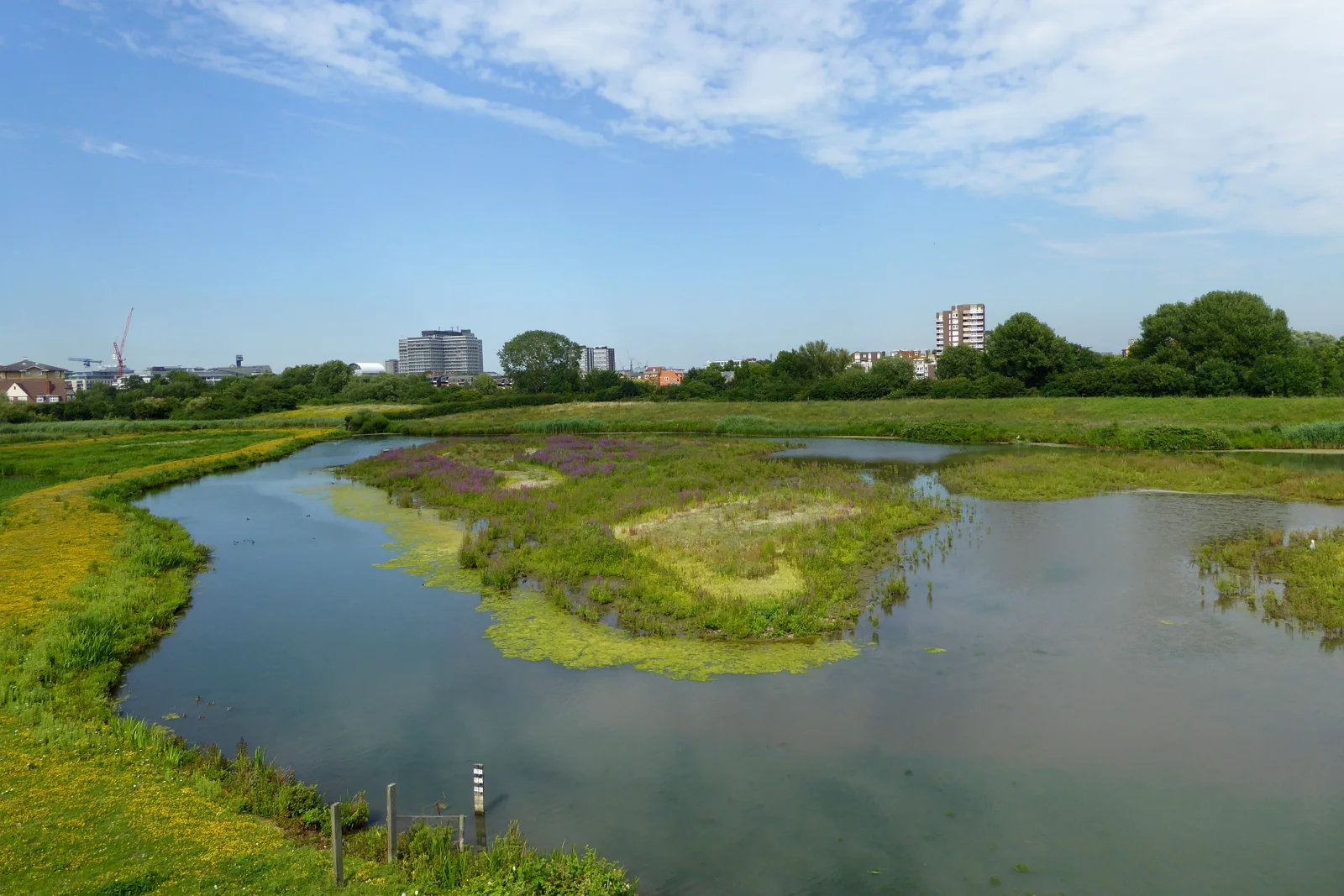
How to choose your first birdwatching reserve
Our choice for a first visit is a reserve with a visitor centre, a short route and somewhere comfortable to stop. Facilities give you choices when weather, energy or confidence changes. Choose the site that makes the whole day easy, including the journey home. WWT London Wetland Centre is an urban option; RSPB Leighton Moss is a reedbed choice. Read the guide before committing so that the entrance and route match what you want from the day.
A famous species need not decide the outing. Your first visit can be successful because you watched a duck feed, learnt two calls or discovered that a hide is a comfortable place to sit. The RSPB’s beginner advice starts with watching birds, without requiring expensive optics or qualifications. Give yourself permission to enjoy what is present. Identification improves with repeat encounters, and nobody needs to know every name before entering a reserve.
What to take on a first birding trip
Take comfortable footwear, clothing for the forecast, water and a snack. Carry regular medication and anything you need to stay comfortable away from home. A charged phone with an offline map is useful, but leave enough battery for the return journey. Put waterproofs where you can reach them easily. A small bag you can manage all day is more helpful than carrying equipment that discourages you from stopping.
Borrow binoculars if you can, or ask the operator whether loan equipment is available for your date. Try them at home: adjust the spacing, find a distant object with your eyes and raise the binoculars without looking away. That simple action makes finding a bird much easier outdoors. Read our binoculars guide before buying. A telescope can wait until you know which kinds of watching you enjoy and what carrying one would involve.
Choose a short route with an easy return
Before starting, locate toilets, the main entrance and the shortest suitable circuit. Ask staff which public route fits the time and mobility you have. A printed map can be useful when a phone screen is wet or difficult to read. If a path is temporarily closed, follow the diversion rather than trying to complete the route you saved at home. The birds will remain interesting from the open areas.
WWT Slimbridge and WWT Martin Mere give you wetland-centre alternatives in England. Compare them through their guides rather than assuming every trail has the same surface or distance. Decide on a first turnaround point while you still feel fresh. You can extend the day after a rest, whereas discovering that you are tired halfway along a long circuit leaves fewer choices. Include the walk back to transport in your idea of the route.
How to enter a bird hide
Pause at the entrance, lower your voice and open the door gently. Let your eyes adjust before moving between occupied seats. Leave bags where they will not block access, keep equipment out of the walkway and give others room to reach a viewing window. If somebody has a telescope pointed at a bird, ask before touching it. Most people find it easier to help when you say you are new and describe what you are trying to see.
Begin with the whole view. Find the waterline, islands, reeds and open ground, then scan one area at a time. You can ask where a bird is by using a landmark: the left end of an island, a patch of mud or a distinctive post. Listen to an explanation without feeling obliged to agree with an identification you could not see. An honest uncertain observation is a useful beginning.
An easy first day in Scotland
RSPB Lochwinnoch and WWT Caerlaverock are Scottish possibilities for a wetland-centred introduction. Choose between them through the journeys, facilities and routes described in their guides. A longer drive to a famous landscape is rarely necessary for a first attempt. Reserve the more demanding expedition for when you know how long you enjoy standing, how your binoculars feel and what weather clothing works for you.
Set yourself a small exercise at the first viewpoint: follow one bird for a few minutes. Watch its feeding, how it moves and what happens when another bird comes close. Then compare it with a second individual. You will begin noticing the features that make identification possible. Return to the visitor centre when you want a break; the day does not become more serious by staying outside until you are cold.
First bird-reserve visits in Wales
RSPB Conwy and WWT Llanelli are useful Welsh options to compare. Their guides explain the reserve setting and practical arrangements, leaving you free to choose a route around the kind of day you want. At either destination, make the first stop about getting comfortable with the view. Find a conspicuous bird, describe its shape and let the smaller details emerge through watching.
Take someone whose pace suits yours. Agree beforehand whether the outing is a short introduction, a family walk or a longer attempt to learn identification. Different expectations can make a shared day feel rushed. A companion who enjoys sitting quietly can be more helpful than someone determined to complete every path. Leave time for ordinary pleasures: a good view, an interesting tree, a drink and the sound of birds overhead.
First bird-reserve visits in Northern Ireland
RSPB Belfast Window on Wildlife and WWT Castle Espie offer two Northern Ireland starting points. Use the guides to compare location, facilities and the route from arrival to a useful view. A reserve close to home has the advantage that you can return easily. Familiarity with one landscape makes the next visit more rewarding because you spend less energy finding your way and more time noticing birds.
If the weather interrupts the plan, shorten the visit while it is still enjoyable. Write down one thing you would like to understand better and look it up later. A short, comfortable encounter is a good reason to return; a long wet walk can make an excellent hobby seem harder than it needs to be. Consider a guided beginner activity through the operator if having someone explain the scene would build confidence.
Learn a few birds without feeling examined
Start with shape, size and behaviour. Is the bird swimming, walking on mud, climbing a trunk or hovering? Compare it with another bird nearby, then look at the bill and overall pattern. Colour can be difficult in poor light, so avoid making it the only feature. Draw a rough outline or write an ordinary description before using a book. Your own notes help distinguish what you saw from what you later hoped it might be.
Choose two or three birds to learn well. Watch them long enough to see more than a pose: feeding, calling and moving all add clues. A phone identification app can suggest possibilities, but use the observation to decide whether the suggestion fits. You can leave something unidentified and still have learnt from it. Ask a staff member a specific question rather than feeling you must announce a completed list.
Watch wildlife considerately from the beginning
Stay on the permitted paths, keep away from resting groups and follow the reserve’s dog and access rules. Do not feed birds unless the operator explicitly provides an authorised activity. Leave feathers, eggs and nests alone. If you find a worrying situation, speak to the reserve team and keep other visitors away from harm. A photograph is optional; the bird’s ability to feed, rest and care for young comes first.
Before sharing a location, think about whether a crowd could cause disturbance. Use the responsible sightings guide when uncertain. For the next visit, choose one lesson from fieldcraft, such as listening before looking, and return to a familiar route. The new birder start page gives a longer learning plan. Your best next step is usually another comfortable outing, with one small skill to practise.
Reserve guides for this visit
Sources and review
- Confirmed: RSPB beginner’s guide — starting equipment and reserve conduct
- Confirmed: BTO Birders’ Code — disturbance, access and sharing sightings
- Confirmed: WWT London Wetland Centre — operator facilities and visit planning
- Confirmed: RSPB Leighton Moss — operator facilities and visit planning
- Confirmed: WWT Slimbridge — operator facilities and visit planning
- Confirmed: WWT Martin Mere — operator facilities and visit planning
- Confirmed: RSPB Lochwinnoch — operator facilities and visit planning
- Confirmed: WWT Caerlaverock — operator facilities and visit planning
- Confirmed: RSPB Conwy — operator facilities and visit planning
- Confirmed: WWT Llanelli — operator facilities and visit planning
- Confirmed: RSPB Belfast Window on Wildlife — operator facilities and visit planning
- Confirmed: WWT Castle Espie — operator facilities and visit planning