
Fieldcraft · Practical UK birdwatching
How to birdwatch at a reservoir
Break the water into sectors, check the sheltered edges and keep moving birds separate from your count. A reservoir visit works best when you can explain the whole scene before concentrating on its smallest details.
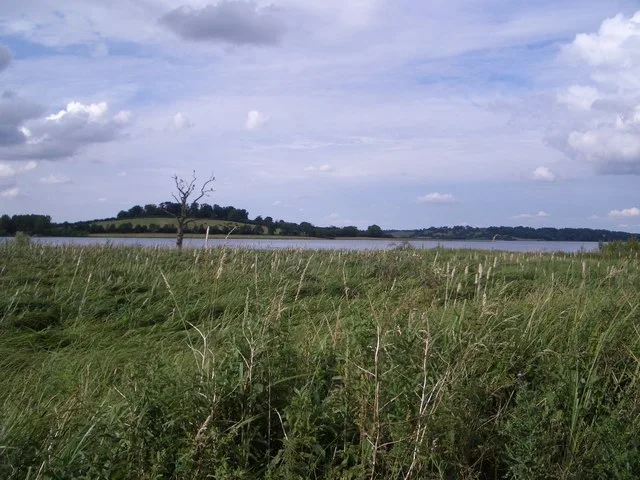
Where to look for birds at a reservoir
Begin at an authorised viewpoint and take in the waterbody before raising the optics. Separate the near shore, bays, islands and distant open water. Use fixed landmarks to create sectors small enough to scan carefully. Decide which parts are visible and which are hidden, so that a later count does not quietly become a claim about the whole reservoir. Keep your route within the operator’s visitor arrangements and follow temporary closures.
Our choice is one long watch from a useful position, followed by a second angle only where it adds something. A complete circuit may involve a great deal of walking without improving the view. Look for glare, shelter and the distance to the main groups when choosing the first stop. The same reserve can feel quite different when low sun or strong wind makes a previously clear bay difficult to examine.
How to scan open water without missing birds
Start at one side of a sector and sweep slowly across it, overlapping the next pass. Work from near water towards the far shore, checking any banks or islands separately. Lower the binoculars periodically to find groups that have moved and to rest your eyes. A telescope can help with distant detail, but begin at low power and keep it stable. High magnification cannot restore detail lost in haze or movement.
Pay attention to empty-looking water. A bird may dive between your passes, while a dark head can merge with ripples. Pause and rescan before deciding the sector is clear. Watch one diving bird until you have an idea of its movements, without assuming it must surface at the same spot. If conditions prevent reliable identification, retain a broader description. Your notes should reflect the view you had rather than the species you expected.
How to compare ducks and other waterbirds
Begin with body outline, head and bill proportions, then add clear markings. Compare birds at a similar distance and allow the posture to change. A resting duck with its head tucked away presents fewer useful features than one feeding or turning in the light. Wait where possible rather than disturbing it to obtain the missing view. Swimming action and the way a bird feeds can support an identification, especially when several features agree.
Keep wild observations distinct from any collection birds at sites that have them. Age, sex and seasonal appearance can also affect familiar species, so consult a field guide using the actual details you recorded. When a bird looks unusual, write a description before seeking another observer’s opinion. That preserves the observation and gives a useful basis for discussion. It is reasonable to leave an individual unidentified after a careful watch.
Practise it here: reservoir and open-water exercises
At Rutland Water Nature Reserve, choose the authorised reserve area and viewpoint described in its guide, then divide one visible bay into counting sectors. Note the areas hidden from view and keep the count tied to the section you watched. Use the practical guide for permits, opening arrangements and seasonal viewing. Avoid assuming that access to one part of the reservoir gives the same access to every shore.
The open wetlands at RSPB St Aidan's, RSPB Dearne Valley – Old Moor and RSPB Saltholme provide regional alternatives for practising this scanning method; they are wetland exercises rather than a list of additional reservoirs. Choose a pool that you can see well from the public visitor route. Count a settled group twice, compare the totals and explain any difference. Then watch how a change in wind or light affects your ability to examine the same birds.
How to count waterbirds without double-counting
Count small settled groups directly, then use manageable blocks for larger numbers. Keep a visible landmark between completed and uncounted sections. If birds move from one sector into another, note the direction and avoid adding them automatically to both totals. Where movement becomes too complex, stop and record an estimate or a minimum count with an explanation. A precise-looking total is not an improvement if it hides the limitations of the watch.
Casual birding and a formal survey have different requirements. BTO’s Wetland Bird Survey uses defined count areas and guidance for participants; read the scheme instructions and contact its organisers if you want to take part. For your own visit, finish with the time, conditions, visible area and the main groups you identified. Stay away from unsafe banks and operational areas, then compare the same view on a return visit to learn what changes through the season.
Try a second scan in the opposite direction after a short pause. Check whether a missed bird was hidden by an island, briefly underwater or simply overlooked. Record the explanation only when you can support it. This modest exercise helps you refine the scanning pattern without pretending that a single pass detects everything.