
Regional birdwatching guide
Birdwatching on Anglesey: sea cliffs, wetlands and coastal walks
Choose South Stack for a seasonal seabird-cliff day, Valley Wetlands for lakes and reedbeds, or Newborough for a wider forest-and-coast walk. Our first-visit preference is to combine one substantial coastal outing with a quieter wetland session, keeping the order flexible enough to use the better weather.
Map of the region’s birdwatching sites
Numbered links locate the reserve destinations. Use each guide’s official arrival directions for the entrance and its watching table for public viewpoints.

Best birdwatching sites in Anglesey
| Site | Our strongest months | Specialities | Public access |
|---|---|---|---|
| RSPB South Stack | May, June, July | Guillemot, Razorbill, Puffin, Chough | Dawn access available; check route restrictions. Watching places and access details |
| RSPB Valley Wetlands | April, May, January | Tufted Duck, Pochard | Dawn access limited to specified routes. Watching places and access details |
| Newborough Warren National Nature Reserve | May, June, October | Choose between freshwater, forest and a dune landscape, with tidal Llanddwyn kept as an optional coastal extension. | Dawn access limited to specified routes. Watching places and access details |
Where should I start birdwatching on Anglesey?
Start with RSPB South Stack if the idea of a sea cliff alive with auks is what brought you to Anglesey. Choose a season supported by the reserve guide and decide which public viewpoint fits your access needs. The RSPB describes Guillemots and Razorbills as key cliff birds, with Puffins present in smaller numbers in the guide’s local advice. Our recommendation is to enjoy the whole colony rather than judging the day solely by whether a Puffin appears close enough to photograph.
Choose RSPB Valley Wetlands for a different pace, with attention to waterbirds and reed margins. Newborough Warren National Nature Reserve offers another type of day combining a broad coastal landscape with forest routes. These choices should shape the itinerary before you book a base. A short holiday can be very rewarding with just two main outings and time to return; reaching every corner of the island is less useful if each watch is cut short by the next drive.
When is the best time for birdwatching on Anglesey?
Spring and early summer are our broad choice for a first South Stack colony visit, refined by the guide’s individual species months. The birds using the cliff are part of a seasonal breeding spectacle, so an autumn walk has a different emphasis. Chough is described by the RSPB as present around the reserve throughout the year, but remains sensitive: enjoy birds encountered from public places without seeking nests. Choose the actual experience you want before interpreting an all-year access statement as all-year colony activity.
Autumn and winter can make a good wetland and coastal holiday. Valley Wetlands’ operator highlights ducks including Pochard, Tufted Duck, Gadwall and Shoveler, giving a visit several useful comparisons even when a reedbed speciality stays hidden. Our winter preference is a manageable route in a settled forecast, with enough time to scan patiently. The national calendar helps narrow the season; the reserve’s current route and target advice should determine where you spend the useful part of each day.
Which South Stack viewpoint should I choose?
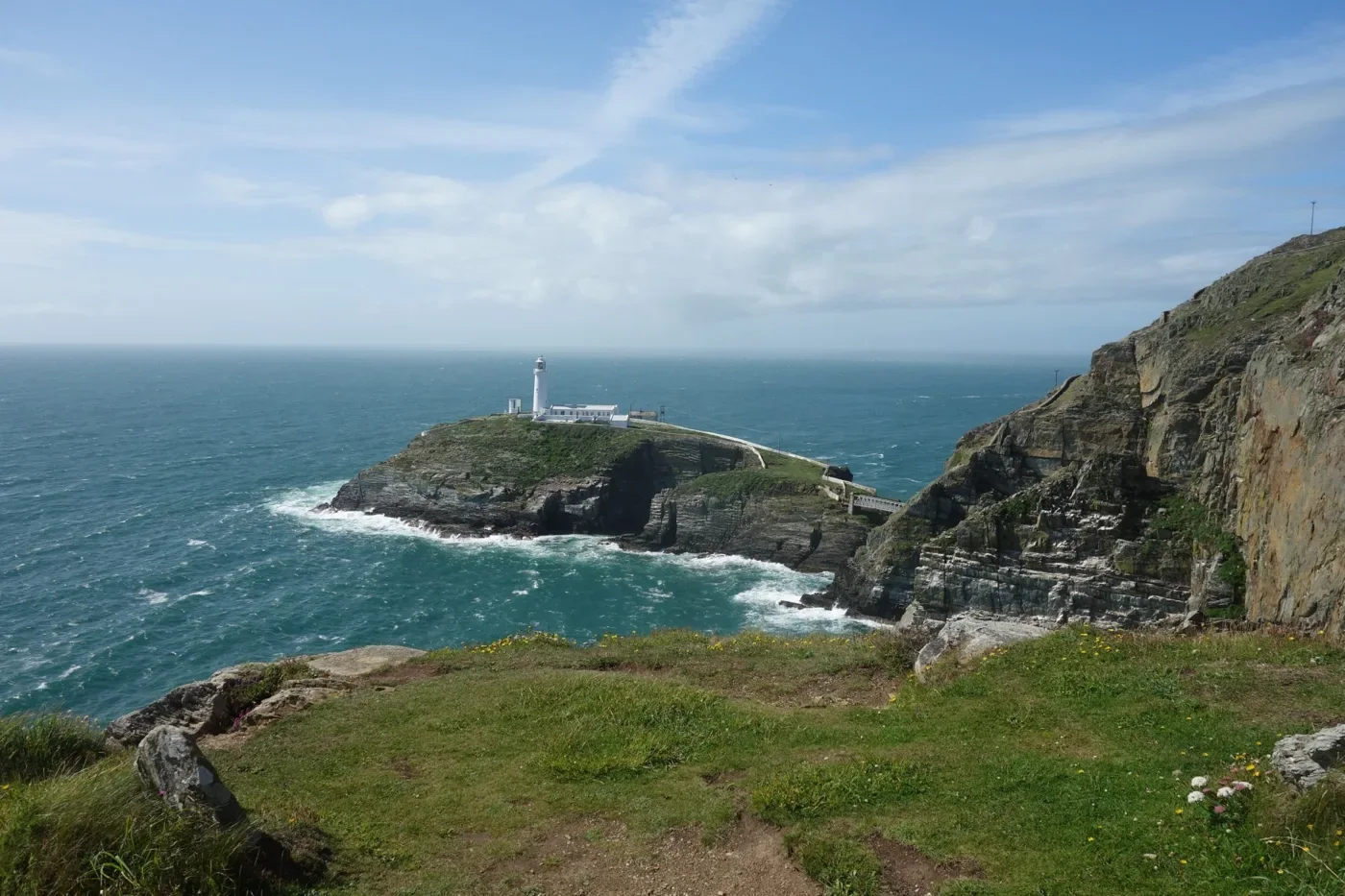
Use the guide’s distinction between the Ellin’s Tower approach and the more demanding coastal routes. The operator describes different access surfaces and steps, so the most photographed route is not automatically the best one for your party. Our choice for a first visit is the public viewing place that lets everyone settle comfortably and see across the cliff without rushing. Bring binoculars and take time to learn the shape of the colony before trying to pick out a particular species.
Treat the lighthouse visit and reserve birdwatching as separate decisions. A lighthouse photograph can suggest an outing that actually contains several different access demands. Read the relevant operator instructions before committing to steps or an exposed extension. Watch flying birds from safe ground, keep clear of edges and give other visitors room to pass. If the wind makes an optical view difficult, shorten the session rather than moving towards a less protected position for a larger image in the frame.
How to enjoy Valley Wetlands without chasing a speciality
RSPB Valley Wetlands is worth a visit for its ordinary wildfowl as well as its reedbed interest. Start by comparing feeding behaviour and shapes on the open water, then listen at the permitted public route. Give a hidden bird the option to remain hidden. A long quiet watch can reveal more than repeated circuits, especially when you begin to recognise which birds use each visible margin. Use the current map and facilities advice to choose the appropriate public watching position.
Check the present route restrictions before travelling. The operator page contains an infrastructure-repair notice with partial access limitations, and wet ground can affect how practical the walk feels. Use the detailed guide for current interpretation rather than assuming an old notice has expired or that every path remains open. Valley is also a different facilities proposition from a staffed visitor centre. Prepare food, clothing and the return so a pleasant wetland visit does not depend on finding services that the reserve does not provide.
What makes Newborough a different birdwatching day?
Choose Newborough Warren National Nature Reserve when the landscape and walk are as important as adding species. Natural Resources Wales manages a combination of forest, dunes and coast, with designated routes that let visitors choose the outing’s scale. Decide how far you want to walk before leaving the car park or arrival point, and compare that with the weather and the shortest comfortable distance in the group. An enjoyable short forest-and-shore session can be enough for a first visit.
Keep the walk within the current public route advice. Sand, exposure and changing coastal conditions can make the same distance feel very different from a sheltered wetland path. Do not use a low-water photograph as permission for a tidal crossing or an extension whose return you have not assessed. Follow the guide and NRW’s current notices for the particular outing. Our preference is to finish with time to watch the nearer habitat again, rather than turning the farthest landmark into a compulsory target.
Should Cemlyn be part of an Anglesey birding holiday?
Cemlyn is worth considering as an additional operator-led planning option for a summer visit. North Wales Wildlife Trust identifies May to July as the main period for its Sandwich, Common and Arctic Tern interest. Use its official reserve information directly for the current access and viewing arrangements. The site adds a lagoon-and-tern experience to an Anglesey holiday, but it is a separate decision from the three reserve guides collected on this page and needs its own preparation.
Follow the warden’s chosen viewing area and current cordons, keeping a respectful distance from breeding activity. A scope can help compare birds across the lagoon without moving closer, while binoculars are useful for following flight. Avoid stepping across sensitive shingle or gathering around a bird that lands near visitors. Our recommendation is to replace another outing with a generous Cemlyn session if terns are a priority, rather than squeezing it between a full South Stack visit and an already long Newborough walk.
How should I plan an Anglesey birdwatching weekend?
For a first spring or summer weekend, give South Stack the better forecast day and keep another substantial session for Valley Wetlands or Newborough. Decide which contrast you prefer: lake birds and reeds, or a broader forest-and-coast walk. Leave a final morning for a return to the place you enjoyed most. Familiarity helps you settle quickly, recognise ordinary birds and notice changes in light, instead of repeatedly spending the start of a session learning a new route.
For winter, let the conditions determine the order and keep the coastal outing optional. A wetland session can carry the day when headland wind would make cliff watching uncomfortable. If a trip also includes mainland North Wales, give that area its own travel allowance rather than treating every reserve across the bridges as another Anglesey stop. Our preferred plan is a clear island focus with one comfortable base, enough time for meals and rest, and no pressure to complete a circuit for its own sake.
Can I go birdwatching on Anglesey without a car?
Yes, with a suitable base and a complete plan for the final approach and return. Check the transport section in the guide for the reserve you actually want, then confirm the live service on your intended day. A train to Holyhead or a bus to a nearby village does not settle the final journey to a cliff viewpoint. Compare the walking distance, surface and exposure with what your group can comfortably manage while carrying optics and the day’s supplies.
A booked transfer or a guided outing may be a practical option if the ordinary connection fails to fit, but agree the return as well as the outward trip. Concentrate on fewer destinations and make repeat visits part of the holiday rather than regarding them as a compromise. The car-free collection offers ideas to compare, with each guide carrying its own limitations. Choose the plan that leaves time watching birds, not one that spends most of the available daylight waiting for a distant connection.
What should I do about tides, wind and poor visibility?
Match the forecast to the habitat. A clear calm period can make distant sea birds easier to observe, while a sheltered lake watch may be preferable when the coast is rough. Read local tide predictions where the guide identifies a tidal influence, but keep safety and public access separate from hopes about bird distribution. A tide table does not establish that a beach shortcut, crossing or exposed landing is suitable. The detailed destination advice should determine which route you undertake.
Carry clothing for standing still and make room for a shorter visit without feeling the day has failed. Binoculars often provide a more usable view than a vibrating high-powered scope, and moving between public viewing angles can help when glare makes one direction difficult. Decide on a safe return before walking farther. If the forecast deteriorates, use the wetland or forest alternative appropriate to the actual conditions, or rest. There is little value in reaching a celebrated viewpoint when nobody can comfortably use it.
How to protect Anglesey’s birds and habitats
Keep to signed paths, control dogs according to the site’s rules and follow seasonal restrictions even when no bird is visible. Leave nesting cover and shore roosts private, and watch Choughs from ordinary authorised viewpoints without tracing them back to a breeding place. Avoid playback and take photographs from the space available. At wetland margins, let birds feed and rest without following them; on the coast, accept wardens’ distances and keep burrow areas clear.
End the visit with a short note about the birds and the experience you can actually describe. Compare the Puffin guide with the wider seabird collection if you want another colony visit, or use the reedbed lessons to develop a slower Valley session. A rewarding Anglesey holiday can be built around a few good public places and repeat observation. Choose the season and walking demands carefully, then allow the day to be interesting without demanding that a particular bird performs.
Trips and related reading
Sources and review
Reviewed 2026-10-19. Practical details remain in the linked reserve guides.