
Trips · Practical UK birdwatching
Somerset Levels winter birdwatching trip
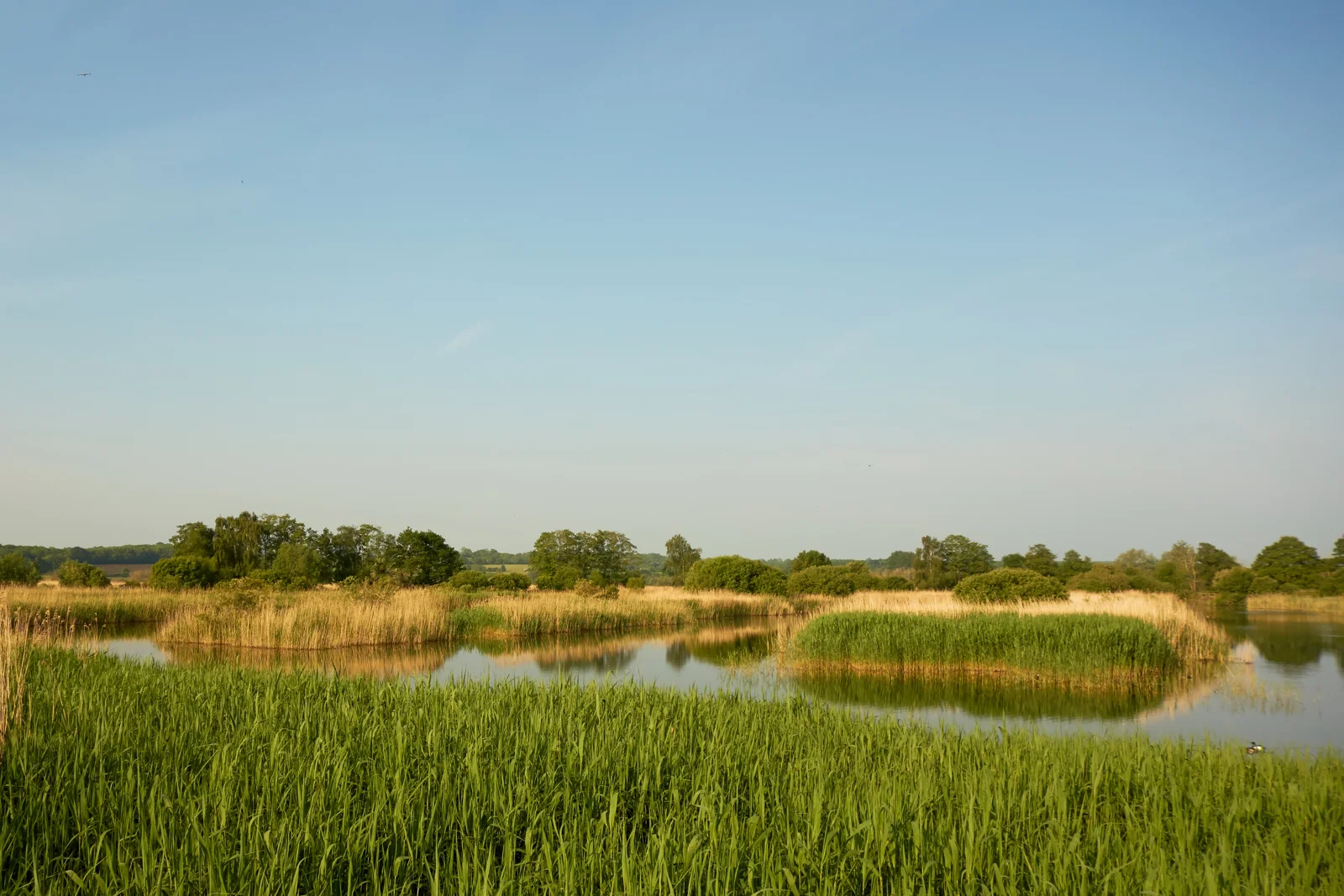
Choose three winter days for Ham Wall, Shapwick Heath, Greylake and Steart, leaving the starling evening flexible. Our choice is to watch the wetlands throughout the day and use the current official roost advice before dusk.
Who a winter Somerset Levels trip suits
This trip suits anyone who enjoys open wetlands, patient hide watching and the possibility of a dusk finale. It is particularly rewarding for visitors who want to learn the relationship between reedbeds, open water and grazing marsh. You can enjoy it with binoculars alone, while a telescope helps at more distant pools. Pack for standing still in damp air: the walk may feel mild before a stationary watch becomes surprisingly cold.
November to February is our first choice for the winter version. Starling gatherings can draw visitors into the wider Avalon Marshes into early spring, but the chosen roost can change. Treat the evening as one part of a full wetland day. If the birds settle elsewhere or the sky gives a subdued display, you will already have spent worthwhile hours looking at waterbirds, raptors and reedbed edges. Read the seasonal and species pages before travelling, then choose a small number of interests to pursue in depth.
Day 1: Ham Wall and a well-planned starling evening
Spend the first day at RSPB Ham Wall, beginning with an ordinary daylight walk before making the evening decision. A reedbed reveals more when you slow down: scan gaps and water channels, pause after a repeated call and compare a bird's flight with its movement after landing. Use the public viewing places and keep sensitive breeding observations with staff. The reserve guide explains current paths, facilities and which approaches fit different mobility needs.
During the afternoon, obtain the operator's current advice about the starling watch and the return route. Have food, warm layers and a torch ready before moving to the advised public viewpoint. Arrive with enough light to understand the way back and avoid using a bright beam across the birds. A roost can shift between reserves, so choosing a Ham Wall morning does not settle the evening location. Keep the car and luggage arrangements flexible enough to follow the official advice without rushing.
Day 2: Shapwick Heath, then Greylake if time allows
Give Shapwick Heath National Nature Reserve the second morning. Ham Wall and the eastern approach to Shapwick share an arrival area, so leave the car parked and follow the permitted walking routes between the reserves. The western approach is a different decision, so read the guide before choosing an entrance or meeting someone.
After a sustained morning, consider RSPB Greylake for a contrasting afternoon. Ham Wall to Greylake measured 14 minutes between the mapped reserve locations, using OSRM on 18 October 2026. Add the time for parking and reaching the viewing place. In winter, use the shorter daylight to decide whether the transfer adds enough value; another long Shapwick session may suit a group that enjoys listening and careful reedbed watching. Greylake works best when everyone still has the warmth and concentration to settle quietly.
Day 3: take the winter trip towards Steart
Use WWT Steart Marshes for the final day's change of landscape. Its position gives a broader estuary perspective after two days among the Avalon Marshes reedbeds. The road estimate from Greylake to the mapped Steart location was 33 minutes, measured through OSRM on 18 October 2026. Make the transfer as a planned part of the day, with its own food, weather check and return margin.
Read the Steart guide before selecting a trail, because the useful route depends on wind, water and your group's walking needs. Observe the distribution of birds across the pools and margins, then compare it with the inland wetlands. Allow time to revisit a viewpoint as conditions alter. If the final day's weather makes exposed paths uncomfortable, reduce the route and leave early enough for a relaxed journey home. This is a substantial fourth reserve, so avoid adding another site simply because its name appears on a nearby map.
Flooding, tide and a poor-weather fallback
Plan every day around the route that is actually open. Flooding can affect low-lying roads as well as reserve paths, and a normal sat-nav instruction may lead towards an approach that is unsuitable on the day. Follow current local notices, use the operator's recommended alternative and leave a margin for a longer drive. Never enter water across a road when the depth or condition of the surface is unclear.
For strong wind, choose a sheltered public viewing place and shorten the outdoor sessions. A long watch through a hide window can reveal more than walking repeatedly into driving rain. When conditions are genuinely severe, make the day a short local visit or stay at your base. The starling evening should remain optional if the return route, visibility or comfort of your party becomes doubtful. Agree the stopping point in advance so that enthusiasm for a display does not override a tired companion's needs.
A car-free version of the Levels break
A car-free version is best organised around the Avalon Marshes alone, with a pre-arranged transfer from a practical rail or bus arrival. Read the individual guides and check current transport operators before choosing the room. The main difficulty is the final connection and the return after dusk. Arrange the collection point and time explicitly, then keep the driver's details available when mobile reception or a crowded departure makes a call awkward.
For a shorter stay, remove Greylake and Steart rather than trying to reproduce the driving itinerary through several uncertain connections. Two days returning to Ham Wall and Shapwick can make a satisfying break. Anyone joining a guided outing should establish whether transport is included and where the actual meeting place is. If you need an accessible vehicle, discuss that requirement when booking; a general taxi reservation does not automatically cover the space or assistance needed for a particular mobility aid.
Where to stay for winter birding on the Levels
Glastonbury is our choice for a broad Avalon Marshes break with an evening meal nearby and the option of a quieter non-birding hour. Compare the actual reserve approach from the property, not just its town label. Early breakfasts and somewhere to dry clothing are useful, particularly when you return after a damp starling evening. Check whether parking remains available when you arrive late.
Street offers another base for the first two days, while Bridgwater can suit a trip that gives more weight to Steart and the western side of the plan. Choose one main base for three nights unless another part of your holiday makes a move worthwhile. The accommodation searches below provide places to compare, not an inspection-based recommendation for any particular hotel. Cancellation terms deserve attention when winter roads or weather might require a changed journey.
What to arrange before your Somerset visit
Book the accommodation, any required transfer and a guided activity only if you want that extra help. Use the reserve guides for current admissions, parking and the named operator's contact details. Obtain starling-viewing updates from the official reserve information close to the visit; no fixed roost pin should be treated as permanent. Protect the birds by using authorised viewpoints, keeping access routes clear and taking litter home after the evening crowd leaves.
Four reserve guides give this short trip enough variety without consuming the daylight in a long circuit. At each stop, note the water level, wind direction and behaviour that made the place memorable. Those observations will help you choose the next visit much better than a hurried list of distant birds, and they make a quieter evening worthwhile even when a headline spectacle is brief.
Other reserves to compare for a longer birding holiday
For additional wetland days, compare WWT Slimbridge and RSPB Radipole Lake as separate extensions with their own travel and accommodation choices. RSPB Lodmoor offers another Dorset comparison when you want to continue that way after the Levels. These guides help you decide whether another reedbed day or a wider landscape change best fits your interests.
RSPB Exminster and Powderham Marshes is a further option for a longer south-west holiday, with its own estuary planning. Keep those destinations outside the three-day Levels circuit until you have allowed the extra nights and road time. A winter day's short light makes an unhurried additional reserve more useful than a collection of brief stops during a transfer.
Reserve guides for this visit
Sources and review
- Confirmed: RSPB Ham Wall operator visitor information
- Confirmed: Shapwick Heath National Nature Reserve operator visitor information
- Confirmed: RSPB Greylake operator visitor information
- Confirmed: WWT Steart Marshes operator visitor information
- Confirmed: WWT Slimbridge official visitor information
- Confirmed: RSPB Radipole Lake official visitor information
- Confirmed: RSPB Lodmoor official visitor information
- Confirmed: RSPB Exminster and Powderham Marshes official visitor information
- Confirmed: OSRM road estimate measured 18 October 2026 — RSPB Ham Wall to Shapwick Heath National Nature Reserve
- Confirmed: OSRM road estimate measured 18 October 2026 — RSPB Ham Wall to RSPB Greylake
- Confirmed: OSRM road estimate measured 18 October 2026 — RSPB Greylake to WWT Steart Marshes