
Trips · Practical UK birdwatching
Islay in winter birdwatching trip
Choose a winter Islay break for geese, open landscapes and patient watching at Loch Gruinart and The Oa. Our choice is four island days with a ferry margin, one settled base and a different plan for strong wind.
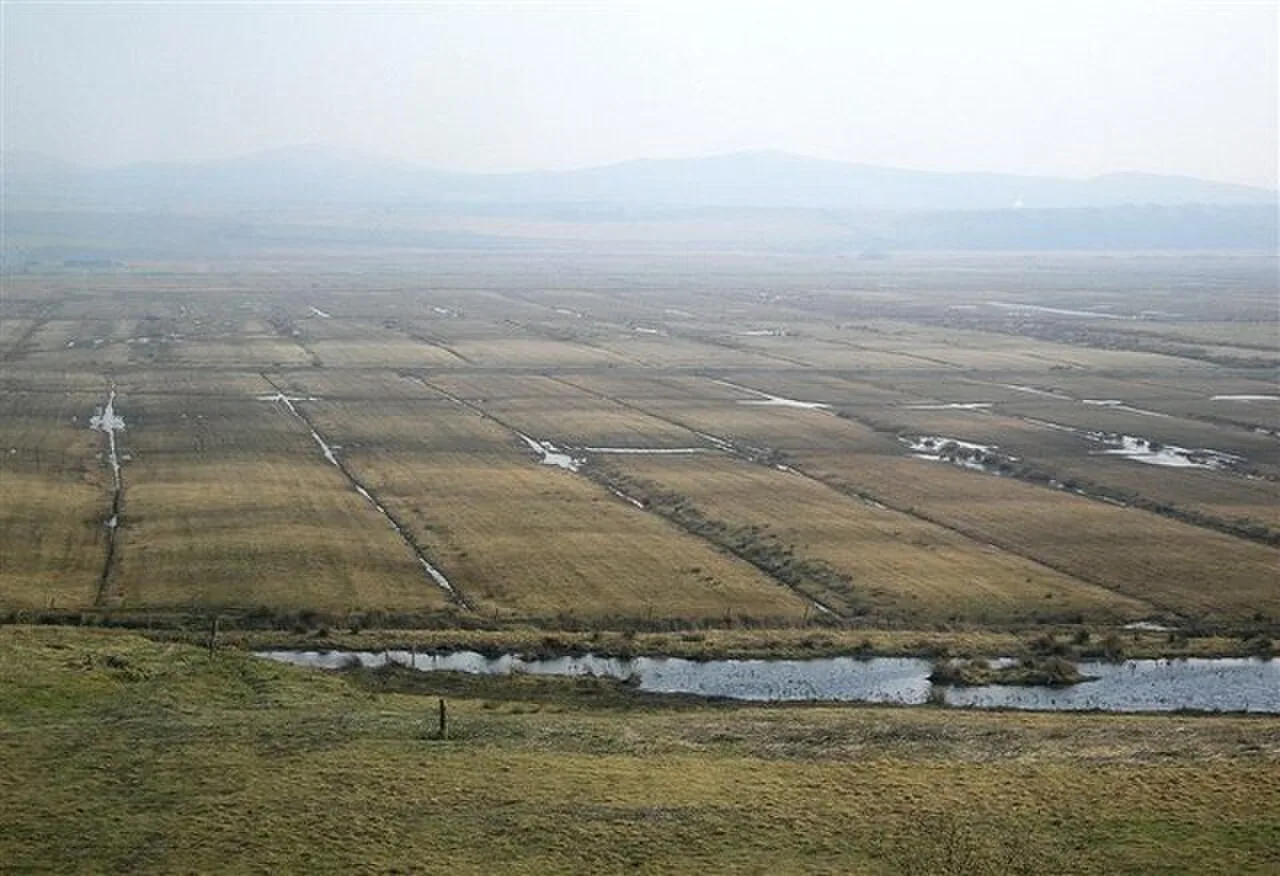
Who should choose Islay for winter birdwatching?
This trip suits visitors who enjoy watching flocks as much as individual rarities, and who can leave a day flexible when island weather changes the plan. Autumn and winter bring the goose interest for which Islay is well known; the broader reward comes from learning the relationship between fields, wetland and coast. Binoculars are essential to the style of visit, while a telescope lets you enjoy birds at greater distance without encouraging a closer approach.
Our preferred outline gives four island days plus travel at either end where possible. November to February suits the winter theme, provided you are comfortable with short daylight and weather-dependent transport. A short, tightly connected weekend leaves little room for a disrupted ferry or a very windy day. Choose accommodation and travel conditions together, then decide which reserve visit belongs on the calmest forecast day. Return visits to familiar public viewpoints are part of the pleasure, not empty spaces between headline stops.
Travel day: plan the ferry before the wildlife
Check CalMac's current Islay route before arranging the rest of the holiday. Its Port Ellen redevelopment notice changes the mainland-to-island planning: use the advertised Kennacraig–Port Askaig service and the operator's live updates, rather than an older itinerary that assumes a Port Ellen arrival. Reserve space for your vehicle if driving and read the check-in instructions attached to the booking. Allow room for the mainland journey as well as the crossing.
Keep arrival day modest. Once ashore, reach your accommodation, obtain food and make a brief local public-viewpoint watch only if daylight and tiredness permit. An island arrival can take longer than the sailing time alone suggests, especially when you are unfamiliar with the approach or driving conditions. Save the deeper watching for the next morning. Tell the accommodation if a changed ferry affects arrival and carry the booking details offline so that a disrupted phone connection does not remove your practical information.
Day 1: give Loch Gruinart an unhurried introduction
Start at RSPB Loch Gruinart and use the official trails and hides to understand the landscape. The reserve combines a working farm with wildlife management, so respect gates, livestock and the difference between visitor access and agricultural space. Begin with a wide look over the scene, then choose a settled viewpoint. Watch how the birds group and feed instead of trying to read every individual through a moving car window.
Give this first day enough time to become familiar with the reserve's public approaches and the changing light. Comparing the structure and movement of larger waterbirds can be enjoyable for beginners, while an experienced observer might concentrate on the composition of a distant group. Keep food and warm layers ready, and take a break before your concentration fades. Avoid moving closer simply because the telescope view feels small; a relaxed flock at distance is usually a better encounter than a group that has started to watch you.
Day 2: The Oa on the more suitable forecast
Choose RSPB The Oa for a calmer, clearer part of the visit. Its open landscape offers a different scale and feel from a hide-based wetland day. Consult the guide for the official walking route and current visitor arrangements, then decide whether the full circuit suits the wind and the least confident walker in your group. Keep well back from cliff edges and allow extra care around wet or uneven ground.
The road section between the mapped Loch Gruinart and The Oa locations measured 44 minutes through OSRM on 18 October 2026. Add the walking approach and any slower local driving before deciding how much to fit into the day. Once there, give the landscape time rather than expecting a conspicuous bird immediately. Raptors may be seen when conditions and luck align, but the route works as a broad wildlife walk even without a special sighting. Return while the journey still feels comfortable.
Day 3: choose the best conditions and repeat
Keep the third island day free for the reserve that has the better conditions or the part of the first visit you most enjoyed. A return to RSPB Loch Gruinart lets you test yesterday's identification questions in different light. A second visit to RSPB The Oa may suit a group that had a shortened first walk and now has a calmer forecast. Agree the choice over breakfast rather than treating the original order as a commitment.
Use the repeat day to make a more thoughtful notebook. Include weather, general habitat and behaviour alongside species names, and distinguish a confident identification from a possible one. Follow the reserve's instructions about sensitive wildlife and share concerns or useful records through the appropriate local channel. Stop only where parking is lawful and safe; roads used by residents and farm traffic need to remain clear. The ability to wait calmly often adds more to an island birding holiday than another hour behind the wheel.
Day 4: a ferry margin and poor-weather fallback
Leave the final island day light enough to cope with a changed departure or a missed outdoor session. Check the ferry update before committing to a long morning walk, particularly if your onward journey has another fixed connection. A short repeat watch can be an excellent final experience when it ends with enough time for food, packing and the terminal approach. If staying a further night is possible, understand that option before it becomes necessary.
For strong wind or heavy rain, use sheltered official viewing places where suitable and reduce time on exposed ground. Sometimes the sensible fallback is a rest interval at your base followed by a short local outing. Do not compensate for poor viewing by pursuing birds along private tracks or attempting a cliff walk in uncomfortable conditions. Keep the reserve guides available for access advice, and let the accommodation know promptly if transport disruption changes your plans. A winter island holiday needs that practical flexibility to remain enjoyable.
Can you visit Islay without bringing a car?
A car-free version is possible when you arrange the island transfers around the actual ferry arrival and reserve visits. Check the current public-transport information in the guides and the council or operator timetable for your dates. Rural services may work for one part of a day without providing a convenient return from a reserve. A pre-booked taxi or organised wildlife outing can help, but obtain the specific arrangement before fixing the rest of the holiday.
Explain walking pace, luggage and any mobility equipment when booking a transfer. Give the driver the named public arrival point and agree the return collection clearly. Keep the tour's route and access style consistent with your own preference for responsible watching. For a shorter car-free stay, make Loch Gruinart the principal outing and leave The Oa conditional on a suitable transfer and forecast. A compact plan can be rewarding without trying to recreate every option available to a driver.
Where to stay on Islay and what to book ahead
Bowmore is our first stay comparison for a broadly placed island base with practical evening options. Bridgend suits a Loch Gruinart emphasis, while Port Charlotte may appeal to visitors who want to build their time around that side of the island. Compare each property's actual road or bus approach, food arrangements and cancellation terms. During a short stay, one settled room makes weather-driven changes much easier than a chain of overnight moves.
Book the ferry and accommodation in a compatible sequence, then reserve any guide or taxi you need. Keep the latest transport notices separate from the wildlife expectations: an available boat is a transport opportunity, not a statement about which birds you will see. Use the time saved for patient watches, warm breaks and a more relaxed final departure.
Other reserves to compare for a longer birding holiday
If winter wetland watching is the main attraction, compare a different holiday around RSPB Mersehead and WWT Caerlaverock, or consider RSPB Loch of Strathbeg and Montrose Basin. These are alternative Scottish destinations, each requiring its own route, room and seasonal plan. They are useful when deciding whether to choose an island crossing or a mainland break.
For a different island holiday, read RSPB Balranald and RSPB Coll. Their guides provide a way to compare the visitor experience and access commitments before choosing the next trip. Keep them separate from this Islay itinerary: moving between islands can consume a substantial part of a holiday, and the appeal of an additional destination deserves more than a hurried transfer followed by a short watch.
Reserve guides for this visit
Sources and review
- Confirmed: RSPB Loch Gruinart operator visitor information
- Confirmed: RSPB The Oa operator visitor information
- Confirmed: RSPB Mersehead official visitor information
- Confirmed: WWT Caerlaverock official visitor information
- Confirmed: RSPB Loch of Strathbeg official visitor information
- Confirmed: Montrose Basin official visitor information
- Confirmed: RSPB Balranald official visitor information
- Confirmed: RSPB Coll official visitor information
- Confirmed: CalMac Port Ellen closure and Islay service changes
- Confirmed: OSRM road estimate measured 18 October 2026 — RSPB Loch Gruinart to RSPB The Oa