
Trips · Practical UK birdwatching
London birdwatching without a car
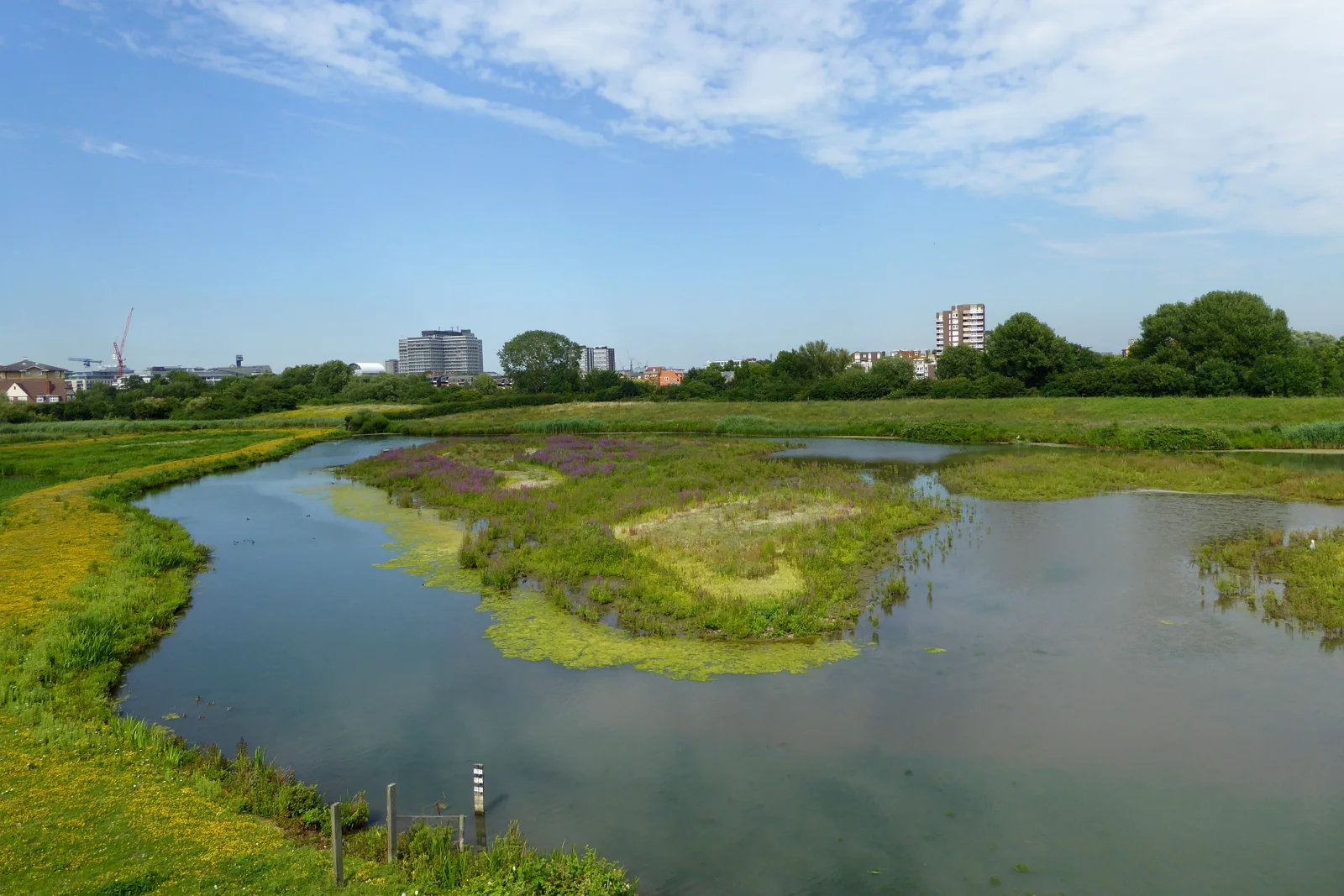
Choose one London wetland each day, using the rail and bus network to keep the visit relaxed. Our choice is Barnes, Rainham and officially open Walthamstow, with Rye Meads available only before its announced closure.
Who this London car-free birding trip suits
This three-day plan suits visitors who want substantial wetland birdwatching with a city base and reliable opportunities for food and warm breaks. Choose one principal reserve per day. Crossing London repeatedly to collect several short stops is usually a poor use of the available watching time, especially when unfamiliar connections and the final walking approach take longer than expected. A small day bag and comfortable shoes make the whole trip easier.
The wetlands offer different seasonal interests, with autumn and winter our preferred starting choice for waterbird comparison and spring appealing for song and breeding activity from public routes. Read the current month guide before choosing your priorities. You do not need to arrive with a long target list: choose a handful of common birds and learn their shape, voice and feeding behaviour. A city holiday can comfortably include a longer hide session without making every hour of the day about wildlife.
Day 1: London Wetland Centre from a practical base
Give WWT London Wetland Centre the first day. Use the guide's transport section to choose the actual rail, bus and walking combination from your room, then check it on the operator's current journey information. Allow time for the final approach and the day's admission arrangements. Keep the start unhurried so that you can spend the visit observing rather than recovering from a hurried transfer across an unfamiliar part of London.
Explore a manageable part of the reserve and return to a few good viewpoints. Watch a bird through several changes of posture before deciding that its appearance is unfamiliar; a sleeping duck and the same bird feeding can look surprisingly different. Take a proper break while you still feel comfortable, then choose whether the afternoon should add another habitat or repeat the clearest watch. Use the guide for the current accessibility and facility detail rather than assuming every path and hide has identical access.
Day 2: Rainham as a complete wetland day
Make RSPB Rainham Marshes the second day's main destination. Plan the final station-to-entrance approach from the guide, paying attention to the actual pedestrian route and its suitability in the weather. Bring a drink and food that can be eaten during a planned pause, and carry a layer for open wetland conditions. An urban rail journey can end in a very exposed landscape, so dress for the reserve rather than the warmth of the train.
Settle into the broad views before walking the entire route. Compare birds in open water, along muddy edges and among vegetation, and notice how those choices relate to feeding. If conditions make the longer loop uncomfortable, choose a shorter official route and spend more time looking. Keep the closing arrangements and return connection in mind without allowing them to dominate every watch. The day's success comes from understanding a wetland a little better, not completing an arbitrary distance before leaving.
Day 3: Walthamstow is officially open to visitors
Use Walthamstow Wetlands for the third day, following London Wildlife Trust's official visitor information. The Trust confirms public access and describes approaches from Tottenham Hale and Blackhorse Road. Its main page currently reports a partial path closure around reservoirs 4–5 for electricity-network work, while the 1–2–3 path has reopened. Use the current signed route and ask at the Engine House about the part of the site available on the day.
Walthamstow is also an operational water-supply site. Stay on permitted paths, keep away from the water's edge and follow instructions around maintenance work. The concrete main pathway and other surfaces have different access characteristics, so discuss specific mobility needs before committing to a long circuit. A visitor route available in normal hours is different from a special birdwatching permit; ordinary public access does not imply permission to enter early, remain after closing or walk a temporarily restricted bank.
Rye Meads closes on 2 November 2026
Before the closure, RSPB Rye Meads can be chosen as an alternative full-day outing when its train and walking connection suits your base. The official RSPB notice says it will close from Monday 2 November 2026 and is expected to reopen later under Thames Water management. No reopening date is promised. Keep the guide for updates and choose one of the other wetlands for trips after that date unless the new operator explicitly confirms visitor access.
Do not attempt to preserve an old itinerary by walking towards a closed entrance. A change of management can alter facilities, routes and opening arrangements, so the eventual visitor information needs to be read afresh. For a visit before closure, use the ordinary public hides and keep any sensitive breeding detail within reserve guidance. An accessible, unhurried day depends on the conditions of the actual visit, even at a familiar reserve that appeared in an earlier guidebook.
How to plan London travel without timetable traps
Save each day's whole route before leaving the accommodation: the correct station exit, bus stop where relevant, reserve entrance and a sensible return. Check planned rail or Underground work for the dates involved and allow a later backup connection. A journey planner's fastest route may require a change or walking link that is unsuitable for someone carrying equipment or using a mobility aid. Choose the route you can actually complete comfortably.
For comparison, OSRM measured the road journey between the mapped London Wetland Centre and Rainham locations at 69 minutes on 18 October 2026, with Rainham to Rye Meads at 41 minutes. These are driving estimates without live traffic, so they cannot supply a rail or bus timetable. Each public-transport leg needs the current operator journey result for the chosen date and time. Agree a meeting place and keep the accommodation address available offline so that an interrupted connection is easier to manage.
Weather fallback and quieter watching
Swap the open wetland day for the more comfortable forecast, provided each reserve is open and the transport works. Rain does not automatically spoil a birding day, but strong wind across open water can make sustained observation tiring. Use hides and sheltered public viewpoints where available, shorten the walk and take warm breaks. If the conditions become severe, choose a shorter city visit instead of making a distant reserve an obligation.
For quieter birdwatching, return to a useful viewpoint after the first group has moved on and listen before raising binoculars. Avoid crowding a bird close to a path, keep phone sounds low and share windows without blocking someone else's sightline. Record an uncertain identification with its observed features rather than forcing a name. A London wetland offers plenty to learn from common birds, and a patient comparison can be more satisfying than following every report to the next stop.
Where to stay and what to book ahead
Hammersmith is our first stay comparison for a Barnes-led trip, while Stratford can suit an eastern emphasis including Rainham. Tottenham Hale is worth comparing when Walthamstow and the north-eastern network are the main priorities. These are alternative bases, so check a complete sample morning and evening journey from the actual property before reserving a room. A town or station label alone cannot establish that the door-to-reserve route is convenient.
Book accommodation, any ticketed reserve entry and any guided activity that matters to the plan. Discuss mobility-equipment reservations directly with the relevant operator. Leave the final morning flexible enough for luggage collection and departure, and choose your next visit from the habitats and birds you most enjoyed learning.
Other reserves to compare for a longer birding holiday
For additional days from a wider south-east base, compare RSPB The Lodge and RSPB Fowlmere, checking their individual final connections carefully. WWT Arundel is another separate excursion to assess when choosing between a city stay and a longer regional holiday. None inherits the public-transport simplicity of another reserve simply because it appears within the same broad region.
RSPB Pulborough Brooks and RSPB Wallasea Island provide further comparisons for future day trips. Use each guide to check the precise station or bus approach, the remaining walk and the return service. A separate well-arranged outing can add far more enjoyment than inserting a distant reserve between London wetland visits. Choose the extra day once its complete travel plan works for everyone in the group.
Reserve guides for this visit
Sources and review
- Confirmed: WWT London Wetland Centre operator visitor information
- Confirmed: RSPB Rainham Marshes operator visitor information
- Confirmed: RSPB Rye Meads operator visitor information
- Confirmed: RSPB The Lodge official visitor information
- Confirmed: RSPB Fowlmere official visitor information
- Confirmed: WWT Arundel official visitor information
- Confirmed: RSPB Pulborough Brooks official visitor information
- Confirmed: RSPB Wallasea Island official visitor information
- Confirmed: London Wildlife Trust Walthamstow public visitor access and path closures
- Confirmed: OSRM road estimate measured 18 October 2026 — WWT London Wetland Centre to RSPB Rainham Marshes
- Confirmed: OSRM road estimate measured 18 October 2026 — RSPB Rainham Marshes to RSPB Rye Meads
- Confirmed: National Rail current journey and station information
- Confirmed: Transport for London journey planning