
Regional birdwatching guide
Birdwatching around Morecambe Bay: reedbeds, shorebirds and tides
For a first Morecambe Bay break, our choice is a substantial Leighton Moss visit with a separate Hest Bank shore watch fitted around the tide. Add South Walney as another day, rather than treating opposite sides of the bay as neighbouring hides. Choose the habitat and public viewing arrangement first, then build travel around it.
Map of the region’s birdwatching sites
Numbered links locate the reserve destinations. Use each guide’s official arrival directions for the entrance and its watching table for public viewpoints.

Best birdwatching sites in Morecambe Bay
| Site | Our strongest months | Specialities | Public access |
|---|---|---|---|
| RSPB Leighton Moss | April, May, November | Bittern, Bearded Tit, Marsh Harrier, Avocet | Dawn access available; check route restrictions. Watching places and access details |
| RSPB Hest Bank at Morecambe Bay | September, November, January | Oystercatcher, Knot, Dunlin | Dawn access limited to specified routes. Watching places and access details |
| South Walney Nature Reserve and Observatory | April, May, November | Eider, Arctic Tern, Little Tern | Check permitted visiting hours. Watching places and access details |
Where should I start birdwatching around Morecambe Bay?
RSPB Leighton Moss is our starting point for someone who wants a full wetland day with a choice of hides and a useful contrast between reeds and coastal water. Decide which part of the reserve matters most before setting out. The reedbed pools and saltmarsh hides offer different views, and the guide explains the approaches. You can have a rewarding visit by giving a few places proper attention rather than turning the map into a compulsory circuit.
Choose RSPB Hest Bank at Morecambe Bay when your priority is an open shore watch for waders. This is a different kind of outing: an existing public coastal edge overlooking a vast feeding landscape, rather than a sequence of managed RSPB hides. For a northern, outer-bay day, South Walney Nature Reserve and Observatory adds another coastal setting. Pick the experience that suits your party, including the amount of standing, walking and exposure everyone will enjoy.
When is the best time to visit Morecambe Bay for birds?
Autumn and winter are our choice for visitors who enjoy comparing wader flocks and wildfowl. The shore can offer Curlew, Dunlin, Oystercatcher and other estuary birds, while the Leighton Moss reedbed gives the trip a contrasting focus. Read the individual month advice before deciding which birds should lead your plan. Some species remain useful interests across much of the year; others deserve a particular seasonal visit rather than an expectation carried from one holiday to the next.
Spring and summer usually reward a different pace: listening beside reedbeds, watching hunting birds over wetland vegetation and learning the behaviour of the common residents. Passage changes the shore in both spring and autumn. Our advice is to choose a habitat you would enjoy even if the headline bird stays hidden. A quiet reedbed morning and an unhurried afternoon of wader comparisons can be a better plan than several brief stops based on photographs from different seasons.
Leighton Moss reedbeds or the saltmarsh hides?
The RSPB identifies Bearded Tit, Bittern and Marsh Harrier among Leighton Moss’s reedbed interests. A first visit should give you time to learn the open water and channels in front of a suitable hide. Begin with binoculars and watch movement before trying to identify every distant shape. If a Bittern is your main hope, stay patient at a legitimate outlook rather than following reports along the edge of the reeds. Staff advice can help you choose between currently usable public places.
The Allen and Eric Morecambe hides belong to the reserve’s separate saltmarsh visit. Treat that choice as a change of habitat and approach, not an extra window beside the main centre. Our preference is to give them a deliberate part of the day when the conditions and your energy suit distant waterbirds. The reserve guide holds the practical route details. A scope can help with a broad coastal view, while binoculars remain better for locating movement and sharing a quick sighting.
How to watch waders from Hest Bank
At Hest Bank, begin by looking at the whole bay from the dry public edge. Work out which feeding ground is visible, where the groups of birds are and how quickly the water is changing. The RSPB names Curlew, Dunlin, Black-tailed Godwit, Redshank, Knot and Oystercatcher as characteristic interests. Choose two contrasting sizes or bill shapes to compare first. Learning a few birds well makes a busy scene less overwhelming than trying to name everything immediately.
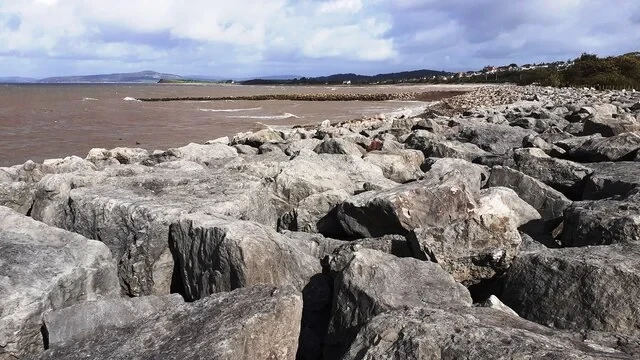
Keep the birds’ space in mind as the tide changes. You should remain on the public landward route rather than walking towards a distant flock across sand or mud. If birds draw nearer, let the view improve on their terms. Give dogs and other visitors room without edging into a feeding or resting area. This is a place for a settled watch with appropriate optics, not a challenge to find the closest point on the shore.
How to use tide predictions safely around Morecambe Bay
Choose a prediction port and the local advice specified in the reserve guide, then check the correct day before leaving. A rising tide can change the distance and available feeding ground, but a single high-water time is not a complete plan for every shore around the bay. Keep the reserve’s own access warnings separate from your birdwatching preference. A viewpoint may be useful for birds while the approach needs particular care, or while another part of the shore is unsuitable.
Our rule for the visit is straightforward: use official public routes and stay clear of the bay’s mudflats and tidal channels. Never interpret a visible track across the sands as an ordinary birdwatching route. Build the day with a substantial alternative such as a reedbed hide session, so you can change the shore plan without losing the outing. If a forecast, warning or local instruction makes you uncertain, choose the simpler landward option.
When South Walney is the right choice
South Walney Nature Reserve and Observatory works best as its own coastal outing with time for the currently open public hide route. It sits at the bay’s outer north-western edge and brings an exposed landscape that feels different from Leighton Moss. Read the operator’s current notices before choosing the walk. The guide records a closed Groyne Hide, and an older illustrated leaflet should not be treated as proof that every named facility is available on the day.
The access road can flood in very high tides or stormy conditions, according to Cumbria Wildlife Trust. Use the current warning and the guide’s planning advice rather than transferring an old tide-height number between different prediction ports. Our choice is a settled day when access and the return journey are uncomplicated. Keep the walk flexible, respect any closures and enjoy wildlife from the permitted route. A coastal reserve deserves time to respond to what is actually happening in front of you.
Can I go birdwatching around Morecambe Bay without a car?
The car-free Morecambe Bay trip is the starting point for combining a suitable rail arrival with the Leighton Moss area. Read the full itinerary and individual reserve travel advice before booking accommodation. The practical question is the whole journey: arrival station, safe walking approach, luggage, the return service and what you will do if the weather changes. A nearby railway line on a map does not settle those decisions by itself.
Our preference for a car-free break is a smaller area explored more thoroughly. Give Leighton Moss enough time, then add a shore outing only where the complete connection works for your group. Do not assume that South Walney can be added as a casual stop because it appears on the same bay map. If a transfer needs a taxi, arrange the collection and fallback before the walk. Travelling lightly and returning to a familiar base can make the day easier to enjoy.
A Morecambe Bay weekend with time to watch
On a two-day break, make one day a Leighton Moss day and give the other a tide-aware Hest Bank watch with room for a return to a favourite habitat. Swap the order when the forecast or tide makes that more sensible. This is our suggested shape, not a timetable: the linked trip supplies the detailed route decisions. Leave a meal break and travel margin instead of allocating every hour to a different hide.
For three or more days, add South Walney as a distinct outing if its access and weather suit. Another good use of extra time is a second Leighton Moss session in different light. Familiarity helps you notice a change in the view rather than spending the first half-hour finding your bearings again. If one visit produces particularly good watching, allow yourself to stay. Replacing a planned stop is often the best decision of the holiday.
Where to base yourself and what to bring
Choose the base around your main reserve and travel style. A stay that suits a long Leighton Moss day may not be the most convenient choice for exploring the far side of the bay. Before comparing rooms, sketch the journeys you actually intend to make and how they fit winter daylight. The reserve guides and linked itinerary cover the accommodation choices; use those practical details rather than selecting somewhere solely because the room photograph looks close to the coast.
Binoculars are the essential first item; a steady scope is useful when distant waders are central to the trip. Pack for standing still as well as walking, with layers and waterproofs that remain comfortable during an exposed watch. Carry food and drink where the chosen route needs them, and keep a notebook for bill shapes and flock behaviour. A careful written comparison can make the next shore visit more satisfying than another unsuccessful attempt at a distant phone photograph.
Watch the bay without disturbing feeding birds
Flocks need enough room to feed and rest, especially when water reduces the available shore. Stay with official routes, follow current reserve guidance and move back if your presence makes birds repeatedly alert or pushes them away. For reedbed birds, enjoy the broad habitat and public viewpoints without seeking nests or unadvertised resting places. The most useful shared sighting is one another visitor can enjoy from the same legitimate watching area.
Keep expectations proportionate to the day. A dated observation helps you understand what has been seen, while your own visit will reflect different light, water and bird movements. Our recommendation is to leave each place with a few things you watched carefully: perhaps the difference between two waders, a harrier’s flight or a quiet channel that rewarded waiting. That kind of attention makes Morecambe Bay worth revisiting across the seasons.
Trips and related reading
Sources and review
Reviewed 2026-10-19. Practical details remain in the linked reserve guides.