
Journal · Practical UK birdwatching
Bird reserves near ten UK cities
Compare three reserve choices from each of ten UK cities, with dated driving estimates and practical advice for choosing a worthwhile day out.
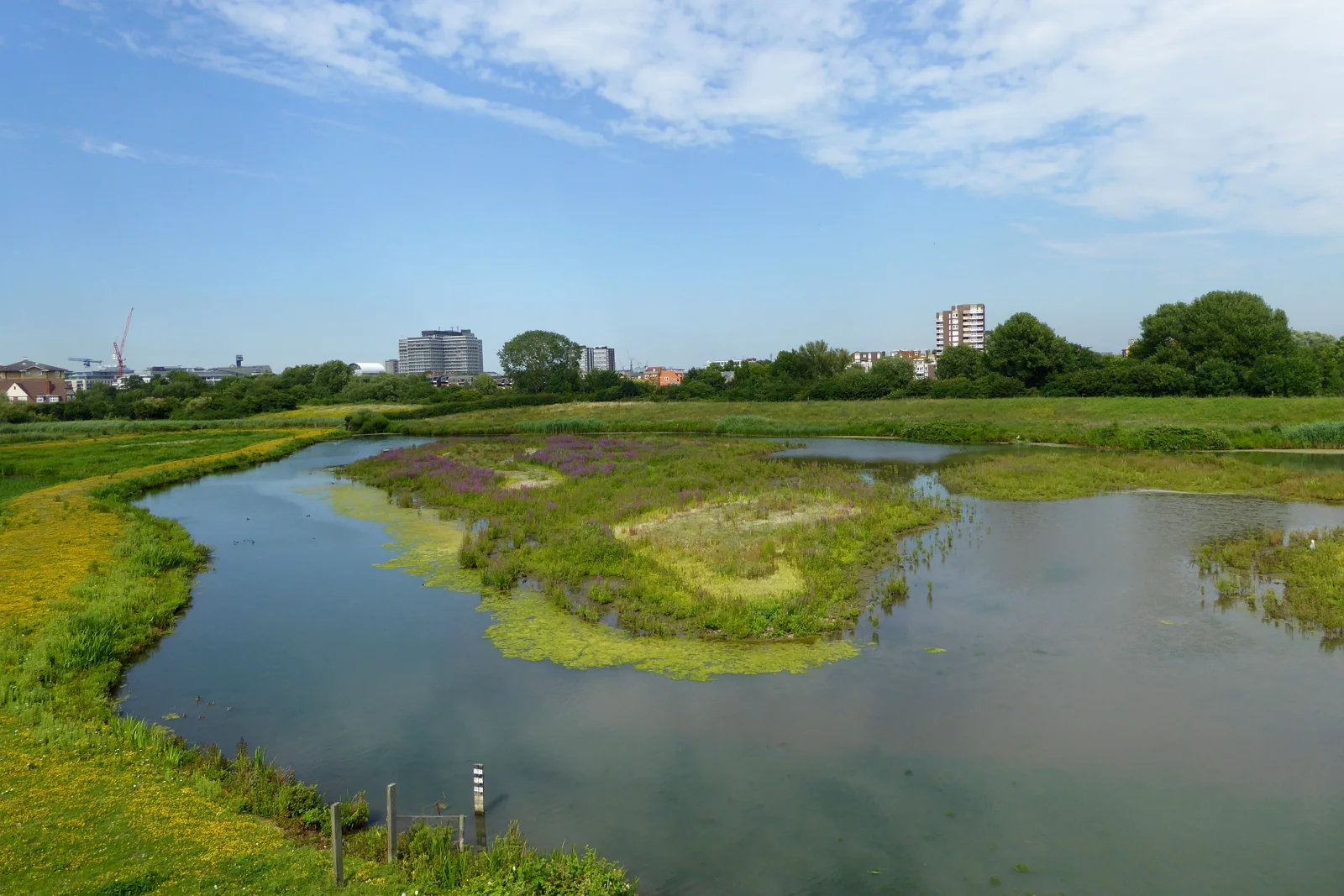
How to choose a bird reserve near your city
Start with the reserve that gives you useful watching time, a suitable route and a comfortable return. Our choices below range from short urban outings to longer regional day trips. Compare the habitat and the whole day before choosing the nearest drive estimate. One reserve usually makes a better first visit than trying to connect all three suggestions.
The drive estimates were measured on 18 October 2026 with OSRM using OpenStreetMap routing, from the stated city-centre map point to each reserve’s mapped location. They exclude live traffic, parking, walking and any ferry or tidal crossing. Use the reserve guide for the actual entrance. Some destinations make a much stronger trip by rail or bus, particularly from London and Glasgow.
London: Wetland birds within reach of the capital
Our choice for a first London outing is WWT London Wetland Centre, especially when a comfortable urban day matters more than distance travelled. RSPB Rainham Marshes is an alternative for a broader marsh landscape. RSPB Rye Meads has an important limitation: RSPB announces closure from 2 November 2026, with a later reopening expected under Thames Water. Use it only while officially open; choose another reserve for a later date.
Driving is only one comparison for London. Public transport may make the day easier, so read the individual guides and the London trip before choosing a car. Give one reserve a full visit instead of crossing the capital between short stops.
WWT London Wetland Centre: about 29 minutes by road. RSPB Rainham Marshes: about 41 minutes by road. RSPB Rye Meads: about 60 minutes by road.
| Reserve | OSRM drive, measured 18 October 2026 |
|---|---|
| WWT London Wetland Centre | 29 minutes |
| RSPB Rainham Marshes | 41 minutes |
| RSPB Rye Meads | 60 minutes |
Birmingham: Start close before making a longer journey
Sandwell Valley is our first Birmingham comparison for a shorter journey. Middleton Lakes gives you another wetland setting to investigate, while Brandon Marsh Nature Reserve extends the choice towards Coventry. Pick one according to the route and facilities that fit the day. The nearest option can be the strongest when it gives you another hour watching birds instead of sitting in traffic.
For a first visit, open the reserve guide and choose a manageable circuit rather than assuming every wetland has a short, level route. If travelling with companions, agree whether the priority is hides, a walk or a relaxed introduction. That decision makes the three alternatives easier to compare.
Sandwell Valley: about 12 minutes by road. Middleton Lakes: about 23 minutes by road. Brandon Marsh Nature Reserve: about 43 minutes by road.
| Reserve | OSRM drive, measured 18 October 2026 |
|---|---|
| Sandwell Valley | 12 minutes |
| Middleton Lakes | 23 minutes |
| Brandon Marsh Nature Reserve | 43 minutes |
Manchester: Choose between an upland day and a wetland day
RSPB Dove Stone is the landscape choice in this Manchester group. RSPB Marshside and RSPB Leighton Moss involve longer journeys towards coastal Lancashire, so give them the time of a proper day out. These are alternatives with different characters, not three stops to combine. The drive comparison should help you choose an achievable destination rather than encourage a rushed regional tour.
Our preference for learning birds is the place you can revisit. Choose Dove Stone if its route and terrain suit you; compare the wetland guides when you want hides and waterbird watching. Check the forecast for the actual setting, since comfortable city weather does not settle conditions on an exposed walk.
RSPB Dove Stone: about 37 minutes by road. RSPB Marshside: about 61 minutes by road. RSPB Leighton Moss: about 85 minutes by road.
| Reserve | OSRM drive, measured 18 October 2026 |
|---|---|
| RSPB Dove Stone | 37 minutes |
| RSPB Marshside | 61 minutes |
| RSPB Leighton Moss | 85 minutes |
Leeds: Three wetland options to compare
RSPB St Aidan's is our first Leeds choice when you want a substantial wetland landscape close to the city. RSPB Fairburn Ings provides another nearby reserve to compare, while RSPB Dearne Valley – Old Moor is a longer southern alternative. Use the guides to distinguish walking routes and facilities. Neighbouring reserves still deserve separate visits if combining them would leave you rushing through both.
Choose one main viewing habitat and spend time learning its common birds. A later return to the same viewpoint can be more revealing than another drive. For families, compare play and break options through the relevant guide; for photographers, prioritise a comfortable authorised view over a route designed around somebody else’s recent image.
RSPB St Aidan's: about 21 minutes by road. RSPB Fairburn Ings: about 26 minutes by road. RSPB Dearne Valley – Old Moor: about 40 minutes by road.
| Reserve | OSRM drive, measured 18 October 2026 |
|---|---|
| RSPB St Aidan's | 21 minutes |
| RSPB Fairburn Ings | 26 minutes |
| RSPB Dearne Valley – Old Moor | 40 minutes |
Newcastle: A wetland introduction or a Northumberland coast day
WWT Washington is our choice to compare first for a shorter Newcastle outing. RSPB Saltholme offers a Teesside wetland alternative, while Lindisfarne National Nature Reserve is a longer Northumberland coast commitment. Select the coast because you want that landscape and can plan its conditions, rather than simply because it is the furthest option. The reserve guide explains the visiting context and the official safety links.
A mainland drive estimate does not establish that a tidal crossing is safe. Where an itinerary involves Holy Island, use the official crossing advice for the intended day and leave a generous margin. A comfortable mainland wetland is the better choice when the tide, weather or return journey makes the coast awkward.
WWT Washington: about 19 minutes by road. RSPB Saltholme: about 46 minutes by road. Lindisfarne National Nature Reserve: about 75 minutes by road.
| Reserve | OSRM drive, measured 18 October 2026 |
|---|---|
| WWT Washington | 19 minutes |
| RSPB Saltholme | 46 minutes |
| Lindisfarne National Nature Reserve | 75 minutes |
Bristol: Wetland centres, reedbeds and an open marsh
WWT Slimbridge is the visitor-centre choice to compare from Bristol. RSPB Ham Wall is a Somerset reedbed option, while WWT Steart Marshes suits readers who want an open marsh landscape. Our preference is to choose by habitat first, then match the walking and facilities. A route that works for a short family day may differ from one designed for an unhurried evening watch.
For a winter trip, use the Somerset itinerary to organise the wider visit instead of treating all three as a single afternoon circuit. Give a reedbed viewpoint enough time for birds to move through the scene. The drive time belongs within the whole day, alongside daylight, food, rest and the return from the furthest path.
WWT Slimbridge: about 38 minutes by road. RSPB Ham Wall: about 58 minutes by road. WWT Steart Marshes: about 70 minutes by road.
| Reserve | OSRM drive, measured 18 October 2026 |
|---|---|
| WWT Slimbridge | 38 minutes |
| RSPB Ham Wall | 58 minutes |
| WWT Steart Marshes | 70 minutes |
Glasgow: Rail-friendly wetlands and a longer landscape choice
RSPB Lochwinnoch is our first Glasgow comparison when you want the option of leaving the car behind. RSPB Baron's Haugh is another reserve to investigate for a wetland visit, while RSPB Loch Lomond offers a different landscape and arrival decision. Read the guides before choosing: the shortest drive does not automatically mean the easiest walk or the best public-transport connection.
Build a first outing around a comfortable viewpoint and a realistic return. If taking the train, compare the final approach rather than the line on the map. If driving, include time to find the correct entrance and prepare equipment. Avoid using spare daylight to force in a second reserve when the first is still rewarding.
RSPB Lochwinnoch: about 26 minutes by road. RSPB Loch Lomond: about 36 minutes by road. RSPB Baron's Haugh: about 25 minutes by road.
| Reserve | OSRM drive, measured 18 October 2026 |
|---|---|
| RSPB Lochwinnoch | 26 minutes |
| RSPB Loch Lomond | 36 minutes |
| RSPB Baron's Haugh | 25 minutes |
Edinburgh: Forth seabirds, lochside birds or coastal cliffs
Bass Rock and Scottish Seabird Centre is our Edinburgh choice for readers thinking about a seabird-focused visit. Loch Leven National Nature Reserve gives an inland alternative, and St Abbs Head National Nature Reserve extends the coastal choice. The three landscapes call for different planning, so use the guides to match season, route and access needs. A boat booking is a separate commitment from reaching the harbour.
Choose mainland viewing if sailing conditions or boarding requirements make a boat unsuitable. For lochside watching, select the exact route rather than assuming you need a long circuit. On the cliffs, remain on authorised paths and accept wind or visibility as reasons to shorten the visit. An enjoyable day needs a comfortable return as well as an attractive destination.
Bass Rock and Scottish Seabird Centre: about 44 minutes by road. Loch Leven National Nature Reserve: about 41 minutes by road. St Abbs Head National Nature Reserve: about 64 minutes by road.
| Reserve | OSRM drive, measured 18 October 2026 |
|---|---|
| Bass Rock and Scottish Seabird Centre | 44 minutes |
| Loch Leven National Nature Reserve | 41 minutes |
| St Abbs Head National Nature Reserve | 64 minutes |
Cardiff: Choose a wetland day east or west of the city
RSPB Newport Wetlands is our first Cardiff comparison for a substantial marsh visit. Parc Slip Nature Reserve offers a different nearby alternative, while WWT Llanelli is a longer westward wetland-centre choice. Read the guides to decide whether the day should revolve around a walk, facilities or patient viewing. The two nearer drive estimates may look similar while the actual visitor experience differs considerably.
Check the route and weather at the reserve, then allow time to settle into its main habitat. For a family day, compare play and meal arrangements before promising them. For a car-free visit, investigate the Newport connection through its guide. A useful transport option depends on the actual service for your date and direction.
RSPB Newport Wetlands: about 31 minutes by road. Parc Slip Nature Reserve: about 31 minutes by road. WWT Llanelli: about 67 minutes by road.
| Reserve | OSRM drive, measured 18 October 2026 |
|---|---|
| RSPB Newport Wetlands | 31 minutes |
| Parc Slip Nature Reserve | 31 minutes |
| WWT Llanelli | 67 minutes |
Belfast: A short urban observation visit or a fuller wetland day
RSPB Belfast Window on Wildlife is our Belfast starting point for an observation-focused outing close to the city. WWT Castle Espie and RSPB Portmore Lough provide alternatives for a longer wetland visit. Choose by the kind of day you want, then compare the routes and facilities in the guides. A shorter drive can leave welcome time for a calm watch before other commitments.
At a reserve reached through an industrial or harbour area, use the operator’s current entrance advice rather than a general map shortcut. For a longer excursion, make sure the return suits everyone in the group. Birdwatching becomes easier to repeat when the day finishes comfortably, with enough energy left to enjoy looking through notes and photographs at home.
RSPB Belfast Window on Wildlife: about 10 minutes by road. WWT Castle Espie: about 24 minutes by road. RSPB Portmore Lough: about 32 minutes by road.
| Reserve | OSRM drive, measured 18 October 2026 |
|---|---|
| RSPB Belfast Window on Wildlife | 10 minutes |
| WWT Castle Espie | 24 minutes |
| RSPB Portmore Lough | 32 minutes |
Make a city escape worthwhile
Take a modest aim into the visit: learn one habitat, spend time with a common bird or practise one fieldcraft skill. Read the first reserve visit guide, compare car-free favourites and use the calendar to choose a seasonal emphasis. Keep the journey flexible enough to shorten a wet or tiring day. Repeating a nearby reserve often builds more satisfying knowledge than continually travelling further.
Reserve guides for this visit
Sources and review
- Confirmed: OSRM — routing service used for the dated estimates
- Confirmed: RSPB Rye Meads — closure from 2 November 2026
- Confirmed: WWT London Wetland Centre — official setting and visitor information
- Confirmed: RSPB Rainham Marshes — official setting and visitor information
- Confirmed: RSPB Rye Meads — official setting and visitor information
- Confirmed: Sandwell Valley — official setting and visitor information
- Confirmed: Middleton Lakes — official setting and visitor information
- Confirmed: Brandon Marsh Nature Reserve — official setting and visitor information
- Confirmed: RSPB Dove Stone — official setting and visitor information
- Confirmed: RSPB Marshside — official setting and visitor information
- Confirmed: RSPB Leighton Moss — official setting and visitor information
- Confirmed: RSPB St Aidan's — official setting and visitor information
- Confirmed: RSPB Fairburn Ings — official setting and visitor information
- Confirmed: RSPB Dearne Valley – Old Moor — official setting and visitor information
- Confirmed: WWT Washington — official setting and visitor information
- Confirmed: RSPB Saltholme — official setting and visitor information
- Confirmed: Lindisfarne National Nature Reserve — official setting and visitor information
- Confirmed: WWT Slimbridge — official setting and visitor information
- Confirmed: RSPB Ham Wall — official setting and visitor information
- Confirmed: WWT Steart Marshes — official setting and visitor information
- Confirmed: RSPB Lochwinnoch — official setting and visitor information
- Confirmed: RSPB Loch Lomond — official setting and visitor information
- Confirmed: RSPB Baron's Haugh — official setting and visitor information
- Confirmed: Bass Rock and Scottish Seabird Centre — official setting and visitor information
- Confirmed: Loch Leven National Nature Reserve — official setting and visitor information
- Confirmed: St Abbs Head National Nature Reserve — official setting and visitor information
- Confirmed: RSPB Newport Wetlands — official setting and visitor information
- Confirmed: Parc Slip Nature Reserve — official setting and visitor information
- Confirmed: WWT Llanelli — official setting and visitor information
- Confirmed: RSPB Belfast Window on Wildlife — official setting and visitor information
- Confirmed: WWT Castle Espie — official setting and visitor information
- Confirmed: RSPB Portmore Lough — official setting and visitor information