
SC 18 · RSPB reserve guide
RSPB Sumburgh Head
Sumburgh, Shetland, Scotland · ZE3 9JN
Puffin, Guillemot, Fulmar
Decide if the visit fits.
RSPB Sumburgh Head at a glance
Last checked 18 October 2026.
- Best time
- Spring and summer seabird colony · winter coastal birds
- Opening & entry
- Hours, admission and parking: see Entry below.
- Trails & visit length
- Sumburgh Head is a cliff-top reserve with short walks and viewing platforms around the lighthouse landscape, rather than an enclosed-hide circuit.
- Accessibility
- The RSPB's sheltered lookout is wheelchair accessible by a ramp and has a Blue Badge parking bay outside it, about fifty metres south of the main car…
- Facilities
- Shetland Amenity Trust manages the lighthouse visitor centre, café, shop and on-site toilets.
- Dogs
- Follow the Scottish Outdoor Access Code and the reserve's signs.
- Public transport
- Loganair currently lists Sumburgh flights from Aberdeen, Edinburgh, Glasgow, Inverness and Kirkwall; check the dates and seasonal operation for the r…
Reserve overview
RSPB Sumburgh Head reserve and habitat
Puffin, Guillemot, Fulmar
Eight checks for a smoother visit.
Planning your visit to Sumburgh Head
Conditions change: check the operator and transport notices before travelling.
Sumburgh Head best time to visit and seasonal birds
Jan–Feb: typically favour a short daytime sea watch from the sheltered lookout when conditions are suitable, with fulmars, shags and passing seabirds a more realistic focus than puffins. Late morning gives useful winter light and time to judge the weather before walking further. Use the whole horizon in short scans rather than staring continuously through a telescope. Mar–Apr: usually the transition into the breeding season, with guillemots returning to their cliff ledges and puffins typically appearing during spring. Try the lighthouse-side viewing areas in the morning, watching birds land and leave rather than moving towards burrows. A quiet visit early in the season can reveal the structure of the colony before the busiest summer weeks. May–Jun: typically the strongest combination of puffins, guillemots, fulmars and shags. Begin at an established viewing platform, then move between permitted cliff-top areas as light and wind allow. A morning session is a useful starting choice, but feeding movements continue through the day. Look away from the closest puffins occasionally to follow how different species use different parts of the cliff. Jul–Aug: usually favour July for a broad seabird-colony visit, with puffins typically leaving during late July or early August. Scan lower ledges and the water for departing auk families, and give the shags and fulmars equal attention. Mid-morning provides a comfortable starting point for a longer watch when weather allows. Sep–Oct: typically shift attention from the breeding colony to passing seabirds, rock pipits and other birds along the dykes and short turf. Try a late-morning sea watch from the lookout, adding a short permitted walk if visibility remains good. Migration is variable, so study common birds as carefully as any unfamiliar arrival. Nov–Dec: usually choose the clearest calm daylight interval for offshore birds and rock pipits around the lighthouse approaches. This is a different experience from the summer colony. These are editorial seasonal watching suggestions based on typical behaviour: the usefulness of a safe, sheltered position and a clear horizon often matters more than a particular hour.
RSPB Sumburgh Head opening times, entry and facilities
Reserve admission checked 18 October 2026: the RSPB lists adults and children free, including non-members, and its calendar gives twenty-four-hour outdoor access. The signposted reserve car park has no opening or height restriction. A separate parking tariff is not stated on the RSPB charges page; confirm any current vehicle charge before travelling. The lighthouse visitor centre is operated separately by Shetland Amenity Trust. Its official opening-times search listing says the 2026 season has ended and gives reopening as Saturday 27 March 2027. The RSPB describes café, gift-shop and toilet provision as April–September, so do not assume that all facilities follow the reserve's outdoor access. For indoor admission prices, contact Shetland Amenity Trust before travelling. Read the latest reserve and lighthouse notice before setting out, particularly if indoor facilities are essential to your day.
Sumburgh Head trails, hides and visit length
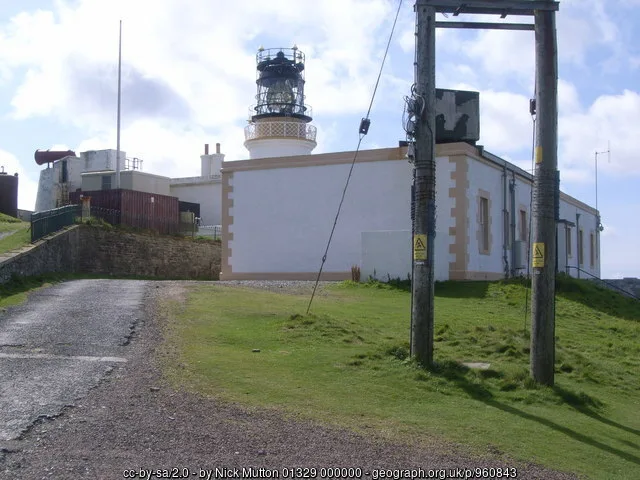
Sumburgh Head is a cliff-top reserve with short walks and viewing platforms around the lighthouse landscape, rather than an enclosed-hide circuit. The RSPB identifies three platforms, including the sheltered lookout near the main car park. Its directions give roughly half a kilometre from the car park to the lighthouse. Start with a broad view of the sea and cliffs, then decide how much of the permitted path network conditions allow you to explore comfortably. Birds occupy distinct parts of the headland: puffins use the cliff-top soil, while other seabirds nest on ledges or around the rock face. From an established viewing area, follow one bird's approach or departure to understand that pattern. Leave burrow entrances and birds carrying fish a clear route. A close puffin view is a reason to stand still and give it space, not an invitation to move off the path. Keep well back from exposed edges and abandon the longer walk when wind or visibility makes it unsuitable. Two-hour plan, editorial suggestion: spend the first half-hour at the lookout, scanning the water and identifying the main cliff species. Continue towards the lighthouse and another permitted platform, with a longer quiet watch before returning. In the breeding season, compare puffin behaviour with the movements of guillemots and shags rather than spending the whole session on one photogenic bird. Full-day plan, editorial suggestion: make an early daylight visit, take a proper break, then return to the viewing areas as the light changes. Add the separately operated lighthouse displays when open, using the indoor visit to understand the landscape you have watched. A summer day gives scope for several slow sessions rather than a continuous march. Keep the itinerary flexible enough to shorten the outdoor component in poor weather, and protect departure-day flight or ferry plans with a generous transfer allowance.
Sumburgh Head accessibility and step-free routes
The RSPB's sheltered lookout is wheelchair accessible by a ramp and has a Blue Badge parking bay outside it, about fifty metres south of the main car park. This is the most clearly described step-free viewing option. Two additional Blue Badge spaces are beside the lighthouse buildings, where there is also a drop-off point. The main car park has tarmac but no lighting. The uphill path to the lighthouse is described as too steep for wheelchair users, so proximity on a map should not be taken as proof of an accessible pedestrian link. Other paths are uneven and unimproved, following walls and fences, and the coastal trail has two stiles. Two of the viewing platforms have steps. Benches are provided along the approach, including a resting point midway up. Seasonal accessible toilets are beside the café during visitor-centre opening; outside that period, the RSPB identifies alternatives at Grutness Pier or West Voe beach. Contact the lighthouse team about the exact entrance, parking arrangement, doorways and facilities you need, rather than relying on the outdoor lookout's access description for the whole visitor complex. Describe equipment and assistance requirements when arranging transport as well.
Sumburgh Head visitor facilities
Shetland Amenity Trust manages the lighthouse visitor centre, café, shop and on-site toilets. Picnic benches are provided outside the café. The displays add a natural-history and lighthouse context to the outdoor watch, but provision is seasonal, as set out in the entry section. Bring water, food and layers suitable for stopping in an exposed place. Keep binoculars and a camera secure in strong winds, with bags positioned so that they cannot blow across a path or disturb birds on the surrounding turf.
Sumburgh Head dog rules
Follow the Scottish Outdoor Access Code and the reserve's signs. The RSPB asks for a short lead during the ground-nesting season, 1 April–15 August, and wherever livestock are present. Clear up after your dog and keep it safely away from exposed edges. Assistance dogs are welcomed throughout.
Sumburgh Head public transport and getting there
Loganair currently lists Sumburgh flights from Aberdeen, Edinburgh, Glasgow, Inverness and Kirkwall; check the dates and seasonal operation for the route you need. NorthLink operates the Aberdeen–Lerwick ferry, with some sailings calling at Kirkwall. These are the current operator sources to use: the RSPB location page still mentions Flybe and describes a Thurso route imprecisely, so do not build bookings from that older wording. For the final mainland-Shetland transfer, ZetTrans lists service 6 from Lerwick to Sumburgh Airport Monday–Saturday and 6S on Sundays. The airport is still roughly two miles from the reserve according to the RSPB, and the bus is not a shuttle to the lighthouse. A pre-arranged taxi or car hire is useful when that exposed final walk is unsuitable. Set the collection point and return time before leaving Lerwick or the airport. Drivers approach from the A970 via Grutness. Build a separate weather buffer around flight or ferry connections rather than expecting an uninterrupted reserve day immediately before departure.
Useful bases for an early start.
Where to stay near Sumburgh Head
Booking.com links are affiliate links: we may earn a commission at no extra cost to you. How these links work.
- 01
Sumburgh
About 1.8 miles by road, roughly 6 minutes' drive (OSRM estimate, measured 18 October 2026; not live traffic).
Measured driving route · 18 October 2026. Map estimates exclude live traffic.
The nearby south-mainland base for repeat visits in different light.Find places to stay in Sumburgh on Booking.com - 02
Sandwick
About 13.9 miles by road, roughly 25 minutes' drive (OSRM estimate, measured 18 October 2026; not live traffic).
Measured driving route · 18 October 2026. Map estimates exclude live traffic.
A south-mainland village base between the reserve and Lerwick.Find places to stay in Sandwick on Booking.com - 03
Lerwick
About 26.0 miles by road, roughly 42 minutes' drive (OSRM estimate, measured 18 October 2026; not live traffic).
Measured driving route · 18 October 2026. Map estimates exclude live traffic.
The ferry-arrival town and a useful wider Shetland base.Find places to stay in Lerwick on Booking.com
Sumburgh Head official sightings, safety and contact
For the RSPB reserve, use shetland@rspb.org.uk or 01950 460800. The published address is Sumburgh Head, Shetland, ZE3 9JN. Shetland Amenity Trust's visitor-centre opening page gives 01595 694688 for its facilities; the RSPB also lists the seasonal lighthouse number 01950 461966. Make clear whether your question concerns reserve wildlife and paths or the separately run buildings, particularly when requesting access support or planning a visit outside the main summer season.
Best months for this reserve
Nearby complete guides.
Bird reserves near Sumburgh Head
Stops with a purpose: use one as a contrasting habitat or weather-proof Plan B. Distances are straight-line estimates, not road journeys.
- About 6 miles away · A useful habitat changeRSPB Loch of SpiggieSpring and autumn passage; seasonal breeding and winter birds
- About 10 miles away · A useful habitat changeRSPB MousaSpring and autumn passage; seasonal breeding and winter birds
- About 26 miles away · A useful habitat changeFair Isle Bird ObservatorySpring and autumn passage; seasonal breeding and winter birds