
Journal · Practical UK birdwatching
Planning an accessible birding day
Choose the route, viewing space and facilities that suit you, then build the day around comfortable time watching birds.
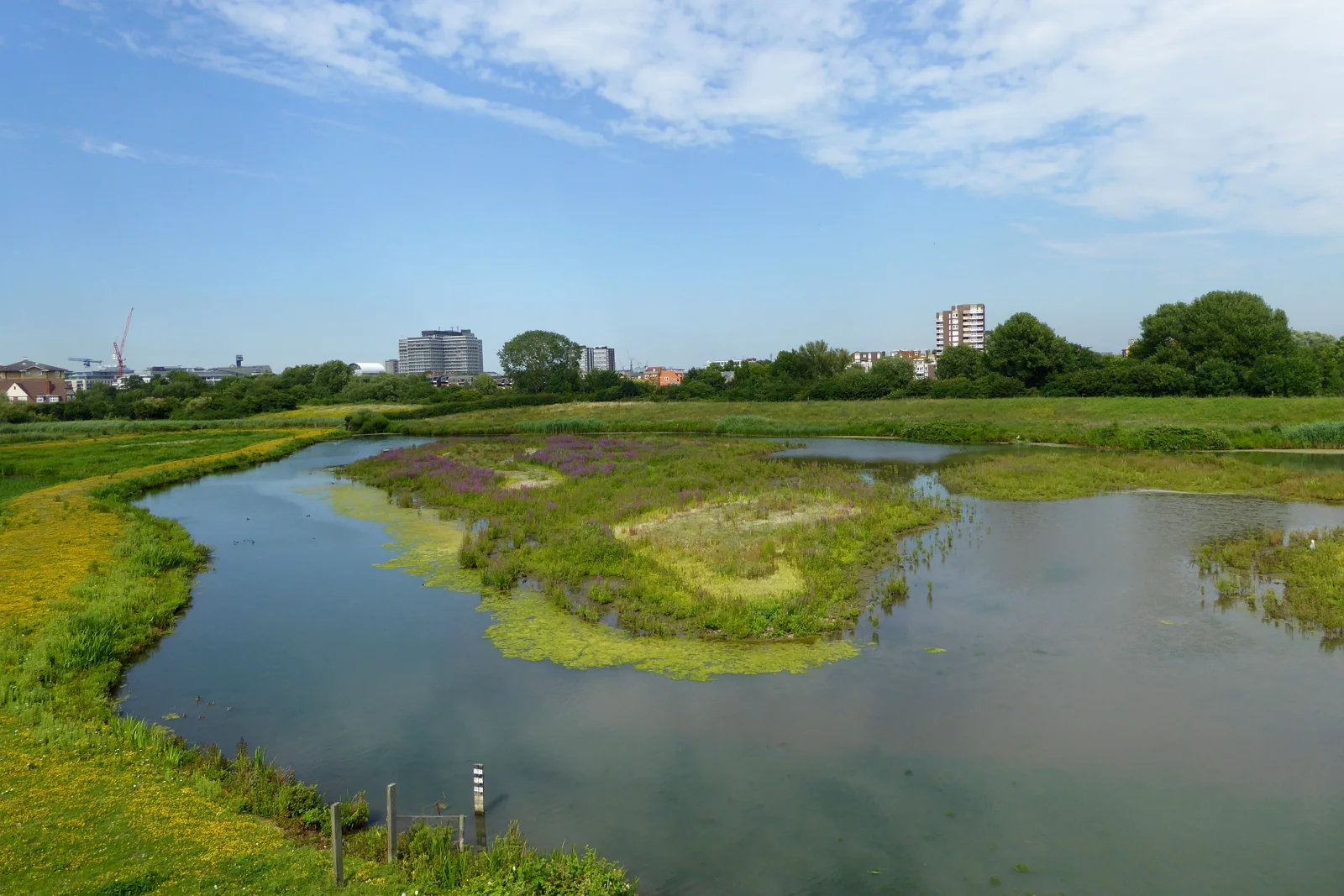
What accessible birdwatching means for your day
Our choice is to begin with a route you can describe clearly: its surface, gradient, distance, resting places and facilities. A reserve-wide accessibility label is less useful than knowing how you will get from arrival to a comfortable view and back. Wheelchair users, people walking short distances, people with sensory needs and visitors managing fatigue may need quite different information. Set your own priorities before comparing sites.
Start with the journey. A level hide does little to solve an inaccessible station or a long rough approach. Ask the operator about the exact entrance and route you intend to use, especially when booking equipment or travelling a long way. The individual reserve guides gather the practical links; use this page to decide which places and questions deserve attention. A shorter visit with a good view can be a thoroughly satisfying day.
Step-free birding choices in England
WWT London Wetland Centre is a useful first comparison in England. Its official accessibility information describes tarmac, gravel and boardwalk surfaces, accessible toilets and mobility equipment arrangements. Read the guide for the route and facilities that suit your needs. Mixed surfaces matter: a path without steps can still feel different beneath small wheels, and the length of an otherwise suitable circuit may decide whether it works for you.
RSPB Leighton Moss provides another well-described option. The RSPB identifies accessible trails with a specific exception for the Lower Hide path, and describes wheelchair access to hides. Keep that exception in the plan rather than interpreting the reserve as uniformly accessible. WWT Martin Mere is a further wetland-centre choice with published toilet and equipment information. Compare the exact facilities you will use, then choose a main viewpoint near a comfortable break.
Accessible birdwatching in Scotland
RSPB Lochwinnoch offers flat trails without steps or stiles, with boardwalk sections and passing places. Flooding can still change which route is usable. At WWT Caerlaverock, the useful distinction is the ground-floor provision: hides have step-free lower levels and windows designed for wheelchair-height viewing. Choose the viewpoints first, then use the guides to compare their approaches and current conditions. Both places give more useful starting information than a general promise that a wetland is accessible.
At Loch Leven National Nature Reserve, select a section of the Heritage Trail rather than assuming the whole loch circuit has the same surface. Gravel and slopes vary, while the NatureScot hides have wheelchair access from the trail. The RSPB visitor hub is a separate access decision with its own equipment and toilet facilities. Match the guide’s detailed route information to your equipment and leave enough energy for the return; a barrier-free path can still demand considerable effort.
Welsh reserves with useful access information
At RSPB Conwy, mostly flat paths combine rolled slate and boardwalk, and lagoon screens offer different viewing heights. The Ganol Trail is an important exception to a wheelchair-friendly plan. WWT Llanelli has mainly level paths, but the hides differ in turning space and views; the Observatory’s internal steps need particular attention. Read each guide to choose the specific route and viewing place, rather than assuming the same access throughout either reserve.
Cors Dyfi Nature Reserve and Dyfi Wildlife Centre is our choice to investigate when an elevated viewpoint matters. A broad boardwalk connects the visit, while an electric wheelchair lift serves the 360 Observatory tower. The centre also lists a Changing Places facility. Check current lift availability and discuss specialist equipment with the operator before travelling. These features answer specific needs, while the guide keeps the full approach, facilities and operational details together.
Northern Ireland: choose the route and the view together
WWT Castle Espie offers broad, flat paths through much of the site, with a steep, unpaved woodland exception. Brent Hide has step-free access and lowered windows; Limekiln Observatory provides a different broad viewing space. At RSPB Belfast Window on Wildlife, choose the roadside hide for wheelchair access: the trackside hide is unsuitable. There is a slight incline to the step-free visitor centre. Use these differences to select an achievable view before arranging transport.
RSPB Portmore Lough has a main aggregate route and boardwalk described for wheelchair and pushchair use, with a step-free lough hide and low viewing openings. The optional grass route adds a different surface, and the fixed hide benches may affect seating comfort. Discuss gates, gradients and support needs with the operator using the guide’s detailed access information. A route chosen around your chair and stamina is more useful than treating every part of the wetland as equivalent.
Questions to ask about paths and hides
Ask for the distance from the proposed drop-off or parking space to the first suitable viewing point. Find out whether the surface is sealed, compacted, loose, muddy or boardwalk, and whether gradients or cross-slopes affect the route. Ask about gates, cattle grids, bridges and any sections where turning or passing is difficult. Specific questions make it easier for staff to describe a route honestly without guessing what you can manage.
For a hide, ask about thresholds, door weight, space to turn, seating and the height of viewing openings. A low window is useful only when your chair or preferred seat can reach it. If light or noise affects you, ask whether there is a quieter time or a view away from a crowded room. Describe what helps rather than feeling you must explain private medical details. Keep the answers with your travel plan.
Toilets, rest breaks and equipment deserve equal weight
Accessible toilets vary in layout and available space. If a Changing Places facility is necessary, check the operator’s exact provision and the official directory before travelling. Ask whether a key is required and whether the facility is available beyond visitor-centre hours. It is reasonable for toilets to decide the destination. A birding outing should fit your needs instead of asking you to accept an uncomfortable compromise for a better-known reserve.
Where mobility equipment is offered, establish booking, collection, return and any restrictions on where it may go. Ask whether a demonstration or companion is required. Your own experience with a scooter does not automatically establish suitability for an unfamiliar model or route. Plan a comfortable pause before becoming tired. A café, a quiet bench or simply a sheltered view can make the difference between enduring a visit and enjoying it.
Weather and temporary changes can alter a suitable route
A route that works well in dry weather may become tiring after rain, and strong wind can make a boardwalk or exposed hide approach unpleasant. Use the forecast to choose the gentlest workable plan. Ask the reserve team about flooding, repairs or temporary diversions where they affect a specific need. An old photograph of a good surface is less useful than current information about the path you intend to take.
Give yourself an option to finish early without losing the point of the day. Choose the first accessible view as a worthwhile destination, then consider extending the visit when conditions feel right. Carry layers appropriate for sitting still, and keep food, water and essential medication accessible. Photography and identification can both be enjoyed from one place; a long walk is optional. Share this expectation with companions before arriving.
A comfortable birding day from start to finish
Choose one main route, one main viewing space and a clear return arrangement. Save the access guide, map and relevant contact details offline. If travelling with another person, agree where help is welcome and where you prefer independence. Leave time between transport and any booked activity so that the day begins calmly. A good access plan makes room for enjoying birds instead of continually solving the next practical problem.
Afterwards, note what worked: surface, distances, toilets, seating, light and noise. Those observations make the next visit easier to choose. For further ideas, compare car-free favourites, a first reserve visit and reedbed places. Share specific access feedback with the operator if something differed from its description. Clear details help other visitors far more than a simple verdict that a whole reserve is accessible or inaccessible.
Reserve guides for this visit
Sources and review
- Confirmed: WWT London — surfaces, toilets and mobility equipment
- Confirmed: RSPB Leighton Moss — accessible trails and Lower Hide exception
- Confirmed: WWT Martin Mere — accessible toilets and equipment arrangements
- Confirmed: WWT Castle Espie — operator accessibility information
- Confirmed: RSPB Lochwinnoch — operator access information
- Confirmed: WWT Caerlaverock — operator access information
- Confirmed: Loch Leven National Nature Reserve — operator access information
- Confirmed: RSPB Conwy — operator access information
- Confirmed: WWT Llanelli — operator access information
- Confirmed: Cors Dyfi Nature Reserve and Dyfi Wildlife Centre — operator access information
- Confirmed: RSPB Belfast Window on Wildlife — operator access information
- Confirmed: RSPB Portmore Lough — operator access information