
Journal · Practical UK birdwatching
Winter birding kit checklist
Dress for standing still, carry only the optics you can manage comfortably and plan the return around weather, tide and daylight.
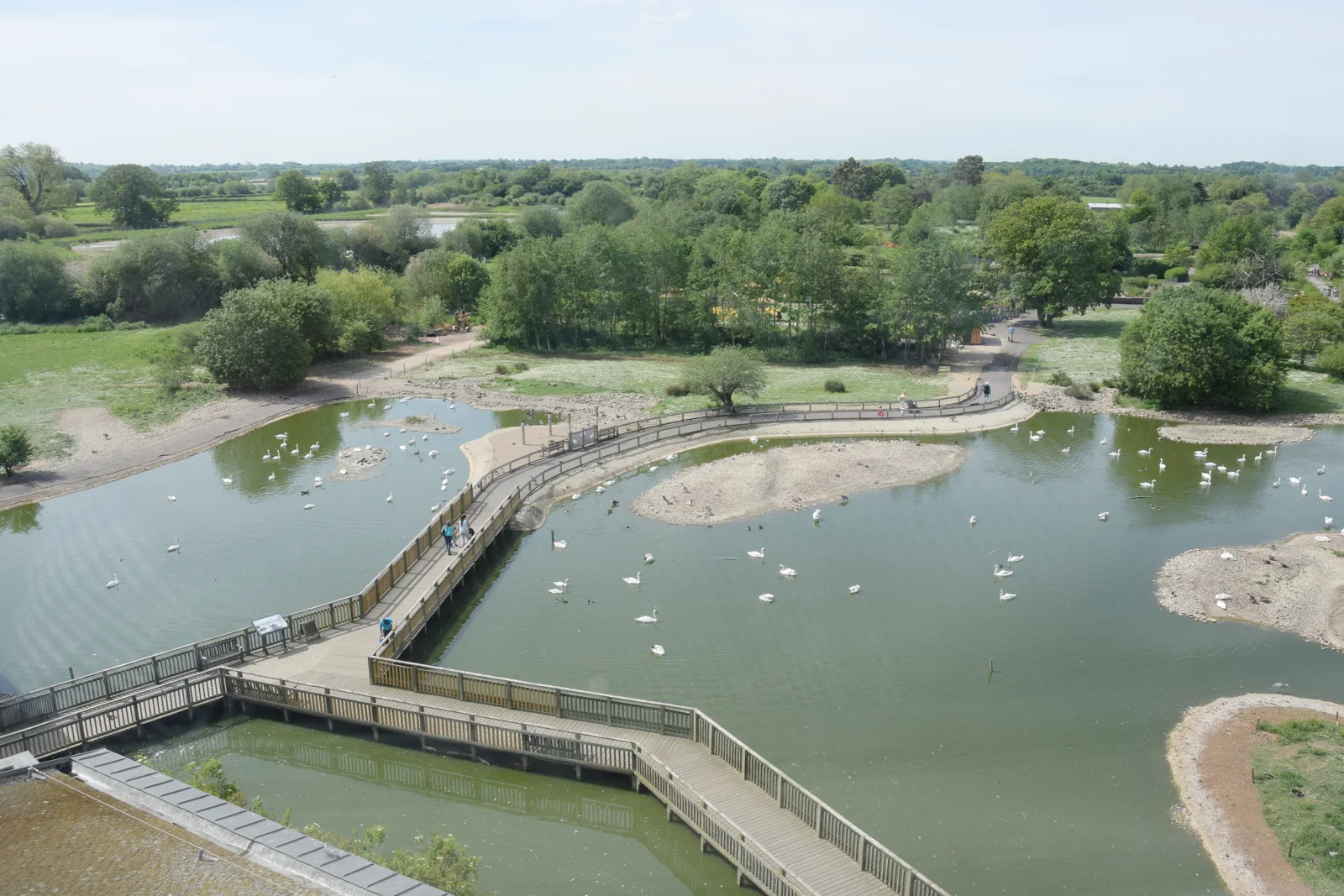
What to pack for winter birdwatching
Our choice is a light, manageable kit that keeps you warm while you watch and leaves a clear margin for the return. Begin with clothing, waterproofs, water, food and a charged phone, then add the optics you will actually use. A winter hide session and a long exposed estuary walk place different demands on the same bag. Choose the reserve and route first, then pack for that particular day.
Practise carrying the whole load for a short walk before a longer outing. A tripod that feels reasonable at the door may be tiring by the time you reach a distant viewpoint. Leave room for an extra layer and keep essential items accessible. Read the full reserve guide for current access, facilities and the kind of terrain involved. Comfort is useful equipment because it lets you watch carefully for longer.
Lay the bag out again after the trip and replace anything wet, eaten or nearly discharged. Having dry gloves, a charged battery and a replenished snack ready removes small obstacles to the next comfortable winter outing.
Layers for walking and standing still
Use layers you can adjust without emptying the bag. Walking to a hide may make you warm, while sitting afterwards can feel much colder. Carry a dry insulating layer for the watch and a waterproof outer layer suited to the forecast. Keep cuffs, collars and hems comfortable when raising binoculars. Try the combination at home so that sleeves do not pull awkwardly when you lift your arms.
A hat, neck covering and suitable gloves can make a long pause more enjoyable. Choose gloves that let you operate focusing wheels and zips without repeatedly exposing your hands. Pack a spare dry pair if the planned route is wet. Avoid making the first winter outing an equipment experiment far from shelter. A shorter reserve circuit gives you a useful chance to discover what works before committing to an exposed day.
Footwear and a comfortable place to pause
Choose footwear for the surface as well as the forecast. A firm visitor-centre route differs from a wet field path or a muddy approach. Read the route description and allow for standing still on cold ground. Dry spare socks can be a welcome addition when a wet walk is possible. If your boots or layers are unfamiliar, test them on a short local outing before planning a long birding day.
WWT Slimbridge and WWT Martin Mere are options to compare when facilities are important to your winter plan. RSPB Leighton Moss offers a reedbed setting with its own route and access distinctions. Use the guides to choose where a proper break fits. A seat, a warm drink and a shorter return can be more useful than another distant hide when energy begins to fade.
Binoculars first, telescope when it earns its weight
Binoculars are our first optics choice for a flexible winter day. Keep them ready while protecting them from rain when not in use. Practise focusing with your gloves on, check the strap and carry a clean cloth suitable for lenses. Avoid wiping grit across glass. At a viewpoint, take a moment to settle and adjust your position before deciding the view needs more magnification.
Read our binoculars guide for selection advice and our spotting-scope guide if distant waterbirds are your main interest. A telescope is useful only when you can carry and support it comfortably in the conditions. A heavy setup moving in strong wind may add effort without improving the observation. Share a view considerately and keep tripods out of walkways and accessible viewing spaces.
Food, drink and the small essentials
Carry enough water and food for the planned outing even when a café is part of the plan. A flask can make a pause inviting, but keep it secure and do not let it replace ordinary drinking water. Include the regular medication and personal items you need while away from home. Put the things you may need quickly near the top rather than beneath a tripod and several layers.
Take a small notebook, pencil and offline map. A power bank is useful if your phone handles tickets, navigation and return transport. Keep it and the phone protected from rain, and avoid spending the battery on continuous photography before the journey home. A small torch helps with an authorised late return, but daylight should remain the main planning tool. Pack a bag for litter and leave the reserve as you found it.
Tides decide the coastal kit and the route
RSPB Snettisham and RSPB Lough Foyle are winter estuary choices to compare through their guides. Before leaving, find the correct tide information and the reserve’s advice on where to watch. A tide prediction is part of understanding the visit, not permission to cross exposed mud or channels. Choose the authorised viewpoint and allow the birds to move naturally as feeding ground changes.
The RNLI warns that tide can cut off coastal walkers, so look at the whole return route rather than just the place you plan to stand. Keep clear of cliff edges and wave-exposed ground. If an approach depends on a safe crossing window, use the official local guidance and choose an alternative when the margin feels tight. A mainland hide day is an excellent winter outing when the coast is unsuitable.
Daylight, weather and the turnaround decision
Check the local forecast and sunset time, then decide when you need to turn back from the furthest point. Include packing optics, walking slowly, using toilets and reaching your transport. Winter light can fade while you are still enjoying a good view. A simple alarm can help when you tend to lose track of time, but set it so that it does not disturb the hide.
Wind, rain and visibility should influence the destination as well as the clothing. WWT Caerlaverock and Montrose Basin are Scottish winter options with different viewing settings to investigate. Read the guides and choose the route suited to the forecast. If conditions worsen, shorten the day early. Having a warm layer in the bag is helpful; a realistic decision to leave can matter more.
Choose winter reserves around your comfort needs
WWT Llanelli and RSPB Conwy are Welsh choices when you want to compare wetland routes and visitor facilities. In Northern Ireland, WWT Castle Espie and RSPB Belfast Window on Wildlife offer different kinds of winter day. Pick the guide that matches your journey, then identify the most suitable main viewpoint. The best birdwatching plan is the one you can enjoy without getting progressively colder or more tired.
For a longer reedbed visit, consider RSPB Ham Wall through the Somerset winter trip. Keep any evening watch within authorised arrangements and plan the return before settling. A late winter spectacle can be memorable, but darkness, rural transport and a long cold wait belong in the same decision. Warmth and a reliable exit should be arranged before the day begins.
Keep birds and other visitors comfortable too
Winter birds need space to feed and rest. Use your optics to maintain distance and avoid moving towards a flock for a closer frame. Keep to public paths and the reserve’s permitted routes. When birds become alert or start edging away, stop and give them more room. A single disturbance may seem brief to the visitor but can be one of many the birds face through the day.
Inside a hide, place bags and tripods where they leave access clear. Ask before opening a window that affects someone sitting beside it, and keep voices considerate. Finish by noting what worked in your kit, including anything you carried but never used. Explore winter big skies, responsible sightings and knowing when to stop before the next outing. A comfortable winter kit gets simpler as you learn from your own days outside.
Reserve guides for this visit
Sources and review
- Confirmed: RNLI — coastal walking safety
- Confirmed: RNLI — tide risks
- Confirmed: Met Office — UK weather forecasts
- Confirmed: BTO Birders’ Code — disturbance, access and sharing sightings
- Confirmed: WWT Slimbridge — operator setting, access and facilities
- Confirmed: WWT Martin Mere — operator setting, access and facilities
- Confirmed: RSPB Leighton Moss — operator setting, access and facilities
- Confirmed: RSPB Snettisham — operator setting, access and facilities
- Confirmed: RSPB Lough Foyle — operator setting, access and facilities
- Confirmed: WWT Caerlaverock — operator setting, access and facilities
- Confirmed: Montrose Basin — operator setting, access and facilities
- Confirmed: WWT Llanelli — operator setting, access and facilities
- Confirmed: RSPB Conwy — operator setting, access and facilities
- Confirmed: WWT Castle Espie — operator setting, access and facilities
- Confirmed: RSPB Belfast Window on Wildlife — operator setting, access and facilities
- Confirmed: RSPB Ham Wall — operator setting, access and facilities