
Responsible wildlife guide
Where to see Peregrines in the UK
A Peregrine can change the atmosphere of a wetland or coastline in seconds, but a useful visit allows for much longer quiet periods. Choose an official public watch with a broad view, learn the falcon’s outline and let ordinary activity unfold. You do not need a nest location to enjoy this bird.
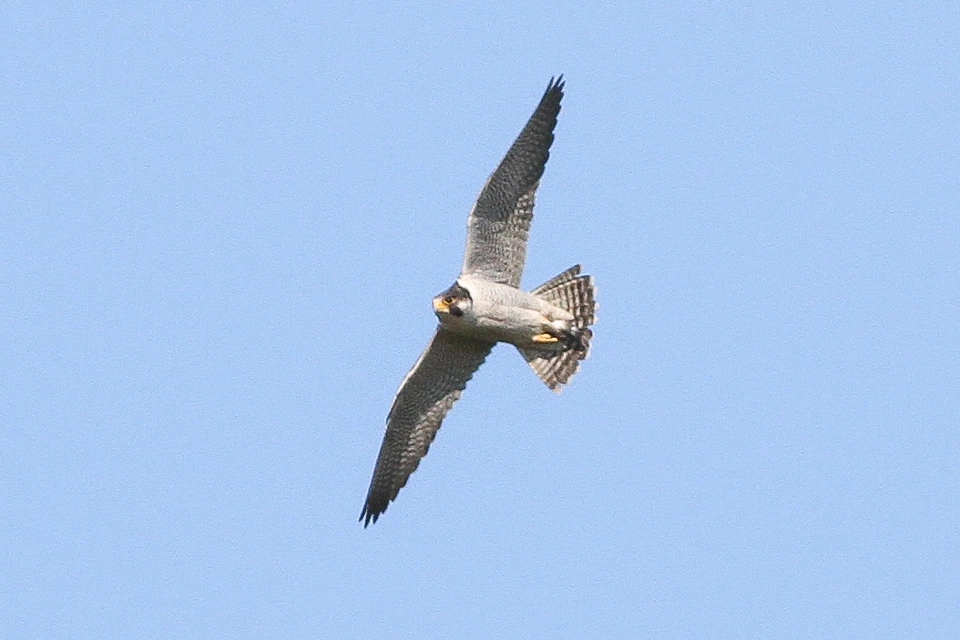
Coast, wetland or town: which visit suits you?
Choose the setting that lets you watch comfortably for a sustained period. A coastal reserve combines a broad flight view with other seabirds; a wetland can offer a sheltered hide and a more varied bird list; an officially managed urban watch can fit around an ordinary day in town. Our choice for a first attempt is the option with the clearest legitimate public viewing arrangement, rather than the most dramatic photograph online.
Peregrines use both natural cliffs and human structures, as described by RSPB and BTO. That broad adaptability does not make every cliff or tall building a visitor site. Use the matching reserve guides below to identify genuine public options. Keep opening arrangements, terrain and transport in the individual guide, then choose one destination where an unsuccessful falcon watch will still leave you with a worthwhile day.
What time of year can you see a Peregrine?
BTO records Peregrines throughout the year. There is therefore no need to organise every trip around breeding activity or seek a particular nest. A winter wetland day or a coastal walk can be an appropriate opportunity when the reserve's own target information supports it. Read national presence and local watching months as different pieces of information: the species can be in Britain while absent from the view you have chosen.
If you have limited dates, plan around access and the wider bird interest first. Check current operator observations for context, but do not treat yesterday's sighting as a timetable. A bird may be out of view for a long period. Give yourself permission to spend time with the landscape and return on another day instead of extending a watch beyond closing time or comfortable weather.
How do you identify a Peregrine in flight?
The RSPB describes a powerful falcon with pointed wings and a comparatively short tail. Use that overall structure before trying to see the dark facial markings. A distant fast-moving bird may give no dependable view of its face, and a shape seen against a bright sky loses much of its apparent colour. Notice proportions, how the wings are held and whether the bird is powering across the view or circling.
When a bird is already visible at rest from a legitimate public viewpoint, a telescope can help examine the face and underparts. Do not move closer to a building, ledge or sheltered place to obtain those details. If the view is insufficient, keep the identification provisional. Recognising the limits of a brief sighting is more useful than assuming that any rapid falcon over a wetland must be a Peregrine.
Watch the whole view rather than one presumed perch
Begin with a broad binocular scan and identify landmarks that will help you explain a moving bird's position. Agree simple descriptions with your companions before anything appears: above the distant treeline is clearer than a hurried instruction to look over there. Keep those directions within the public panorama. There is no need to map concealed resting or breeding places to communicate an ordinary bird in flight.
A sudden movement among other birds can be a reason to look, but it is not proof of a Peregrine. Wind, people and several other causes may produce activity. Check the sky and continue observing without supplying a predator the view does not support. A good watch can involve understanding why you remain uncertain, rather than repeatedly turning every flock movement into an exciting identification.
Binoculars first, telescope second
Our practical choice is to keep binoculars ready and the telescope on a broad, manageable view. High magnification can make a fast bird difficult to locate and follow, while a narrow field encourages hurried repositioning. If you are watching with someone who uses a scope, locate the moving bird with binoculars first, then describe its position calmly. Leave room for others and avoid swinging equipment across a busy viewing window.
A phone or camera can record a brief distant pass, but do not let it replace watching. You may learn more from following the bird with your eyes than from a large sequence of empty sky. When photographing, accept the public viewing distance. An image showing the falcon within its landscape can be more useful for remembering the encounter than an attempted close frame obtained by crossing a boundary.
How to choose weather and a manageable watch
Choose conditions in which you can use the public viewpoint comfortably and keep a clear view. Strong glare can make identification difficult, while exposed coastal wind may prevent steady optical work. Change to another permitted window or stance if it helps; never improve the angle by stepping closer to an edge. If the view becomes uncomfortable or unsafe, use the reserve's other official facilities or shorten the outing.
There is no universal hour when a Peregrine must hunt in front of visitors. Treat a fixed appointment suggested by a single old report with caution. A sustained watch gives you more opportunity to notice activity, but it still cannot guarantee an appearance. Plan breaks, food and the return journey so that patience remains enjoyable rather than becoming a reason to ignore tiredness or closing arrangements.
Respect protected birds and managed viewing arrangements
RSPB and BTO identify Peregrine as a specially protected breeding bird. This guide does not provide breeding-site directions or legal advice: its practical rule is to use official public watches and follow their boundaries. A volunteer may be able to explain an already authorised view, while a closed area remains closed regardless of how easily a bird could be photographed from it.
Do not climb structures, enter quarries or cross barriers to improve a sighting. Keep a distance from any bird that appears unsettled by people and do not use food or other tactics to trigger a flight. When sharing photographs, omit details that expose an unpublicised nest or resting place. Report a genuine welfare or disturbance concern through the operator's channels rather than encouraging a crowd to investigate it.
Turn a single sighting into better fieldcraft
After a pass, write down what made the identification convincing: relative wing width, tail length, flight action and any clearly seen plumage. Separate what you observed from what a companion or report supplied. That small habit makes future identifications more reliable and avoids a confident species name concealing a very uncertain glimpse. It also gives you something practical to compare on the next visit.
Return to the same manageable public viewpoint when you can. Learning its distances and skyline makes a later falcon easier to locate without searching more intrusive places. Read the related raptor and fieldcraft pages, then use the reserve list to choose a destination that fits your time and access needs. The successful plan is a responsible, enjoyable watch; the Peregrine remains a wild bird whose movements are its own.
Where to see peregrines by month
The months below come from each reserve’s local birding guide. They describe typical presence or a preferred watching season; national occurrence can be broader. Reports show past observations and cannot promise an encounter. Sensitive birds have no published watching position.
| Species | Reserve guide | Typical or preferred months |
|---|---|---|
| Peregrine | Bass Rock and Scottish Seabird Centre | January, February, March, April, May, June, July, August, September, October, November, December |
| Peregrine | Skomer Island | March, April, May, June, July, August, September |
| Peregrine | RSPB Bempton Cliffs | January, February, March, April, May, June, July, August, September, October, November, December |
| Peregrine | WWT Slimbridge | January, February, March, October, November, December |
| Peregrine | WWT Caerlaverock | January, February, September, October, November, December |
| Peregrine | RSPB South Stack | January, February, March, April, May, June, July, August, September, October, November, December |
| Peregrine | RSPB Lake Vyrnwy | January, February, March, April, May, June, July, August, September, October, November, December |
| Peregrine | RSPB Ramsey Island | April, May, June, July, August, September, October |
| Peregrine | WWT Steart Marshes | January, February, March, October, November, December |
| Peregrine | RSPB Frampton Marsh | January, February, March, October, November, December |
| Peregrine | RSPB Otmoor | January, February, March, October, November, December |
| Peregrine | RSPB Dee Estuary - Burton Mere Wetlands | January, February, March, October, November, December |
| Peregrine | RSPB Aghatirourke | April, May, June, July, August, September |
| Peregrine | Isle of May National Nature Reserve | April, May, June, July, August, September |
| Peregrine | Teifi Marshes Nature Reserve | January, February, March, April, May, June, July, August, September, October, November, December |
| Peregrine | RSPB Rainham Marshes | January, February, March, April, May, June, July, August, September, October, November, December |
| Peregrine | RSPB Insh Marshes | January, February, March, April, May, June, July, August, September, October, November, December |
| Peregrine | Lindisfarne National Nature Reserve | October, November, December, January, February, March |
| Peregrine | RSPB Dearne Valley – Old Moor | January, February, March, April, May, June, July, August, September, October, November, December |
| Peregrine | Ouse Washes | January, February, March, October, November, December |
| Peregrine | RSPB Pulborough Brooks | October, November, December, January, February, March |
| Peregrine | Oare Marshes Nature Reserve | August, September, October, November, December, January, February, March |
| Peregrine | RSPB Marshside | January, February, March, October, November, December |
| Peregrine | RSPB Northward Hill | January, February, November, December |
| Peregrine | RSPB Dove Stone | January, February, March, April, May, June, July, August, September, October, November, December |
| Peregrine | Mull of Galloway | January, February, March, April, May, June, July, August, September, October, November, December |
| Peregrine | RSPB Troup Head | January, February, March, April, May, June, July, August, September, October, November, December |
| Peregrine | RSPB Dee Estuary – Parkgate | October, November, December, January, February, March |
| Peregrine | RSPB Berney Marshes and Breydon Water | January, February, March, April, May, June, July, August, September, October, November, December |
| Peregrine | RSPB Nene Washes | January, February, November, December |
| Peregrine | RSPB Greylake | November, December, January, February, March |
| Peregrine | RSPB Medmerry | January, February, March, October, November, December |
| Peregrine | Lymington–Keyhaven Marshes Nature Reserve | October, November, December, January, February, March |
| Peregrine | Lunga and the Treshnish Isles | June |
| Peregrine | RSPB Hoy | January, February, March, April, May, June, July, August, September, October, November, December |
| Peregrine | Bardsey Island and Bird Observatory | January, February, March, April, May, June, July, August, September, October, November, December |
| Peregrine | Walthamstow Wetlands | January, February, March, April, May, June, July, August, September, October, November, December |
| Peregrine | Lundy | January, February, March, April, May, June, July, August, September, October, November, December |
Reserve guides for peregrines
- Bass Rock and Scottish Seabird Centre · Scotland
- Skomer Island · Wales
- RSPB Bempton Cliffs · England
- WWT Slimbridge · England
- WWT Caerlaverock · Scotland
- RSPB South Stack · Wales
- RSPB Lake Vyrnwy · Wales
- RSPB Ramsey Island · Wales
- WWT Steart Marshes · England
- RSPB Frampton Marsh · England
- RSPB Otmoor · England
- RSPB Dee Estuary - Burton Mere Wetlands · England
- RSPB Aghatirourke · Northern Ireland
- Isle of May National Nature Reserve · Scotland
- Teifi Marshes Nature Reserve · Wales
- RSPB Rainham Marshes · England
- RSPB Insh Marshes · Scotland
- Lindisfarne National Nature Reserve · England
- RSPB Dearne Valley – Old Moor · England
- Ouse Washes · England
- RSPB Pulborough Brooks · England
- Oare Marshes Nature Reserve · England
- RSPB Marshside · England
- RSPB Northward Hill · England
- RSPB Dove Stone · England
- Mull of Galloway · Scotland
- RSPB Troup Head · Scotland
- RSPB Dee Estuary – Parkgate · England
- RSPB Berney Marshes and Breydon Water · England
- RSPB Nene Washes · England
- RSPB Greylake · England
- RSPB Medmerry · England
- Lymington–Keyhaven Marshes Nature Reserve · England
- Lunga and the Treshnish Isles · Scotland
- RSPB Hoy · Scotland
- Bardsey Island and Bird Observatory · Wales
- Walthamstow Wetlands · England
- Lundy · England
Sources and review
Reviewed 2026-10-19.