
Responsible wildlife guide
Where to see Marsh Harriers in the UK
Choose a reedbed reserve with a broad public viewpoint and give Marsh Harriers time to appear above the vegetation. Spring and summer usually offer lively watching, while many established wetlands now support winter visits too. Our choice for a first encounter is one comfortable hide session within a varied wetland day.
When is the best time to see Marsh Harriers?
Start with the month you can travel, then choose a reserve whose local advice fits it. BTO describes Marsh Harriers as birds now recorded consistently throughout the year, after a period when they were mainly summer visitors. The RSPB still describes a migratory component arriving in spring and leaving in autumn, alongside birds remaining for winter. Both patterns matter when you plan: a winter visit can be worthwhile, but a famous summer reedbed does not automatically offer the same experience in January.
Our choice for a first visit is a spring or early-summer wetland day with enough time to sit and watch the air above the reeds. There is more to enjoy than a single close pass: compare flight height, direction and the way a bird checks the ground beneath it. For winter, pick a guide that specifically includes the species in its winter targets and build the visit around other wetland birds as well. Let local seasonal advice refine the broad national calendar.
Where to see Marsh Harriers in the UK
The RSPB names East Anglia, Somerset and the south-east among the main areas, with further opportunities in north-west England and parts of Wales and Scotland. That gives several practical starting points rather than one compulsory pilgrimage. Minsmere, Ham Wall, Leighton Moss and Blacktoft Sands are among the reserves linked from its species account. Use the matching guide list to compare a suitable route, public watching places and the months when each reserve is strongest.
Choose geography before trying to rank every reserve. A comfortable day near home, repeated in a different month, often teaches more than an exhausting journey for a distant report. If you are planning a holiday, combine one substantial reedbed reserve with another habitat rather than spending every day pursuing the same bird. The guide’s access details should decide whether the stop works for your party; a name on a species list cannot tell you how far the walk is or whether a hide is reached by steps.
Where should you stand to watch a hunting harrier?
Use an official outlook with enough open sky and reedbed in view to follow a bird without constantly moving your feet. Before settling, look for glare, the angle of the wind and obstructions immediately in front of the opening. Our preference is a place where you can sit comfortably with binoculars ready, then lift them as movement appears. A wide view is especially helpful when a bird briefly drops below the vegetation and reappears elsewhere.
Scan in overlapping sections and occasionally check above the near reeds as well as the distant horizon. Resist leaving a promising public viewpoint every time another visitor mentions a bird at the other end of the reserve. You may spend the next useful flight walking between hides. If several people are watching, quietly give a direction against a fixed landscape feature, then let each person find the bird. Keep doors, windows and shared viewing space manageable for everybody.
How to identify a Marsh Harrier in flight
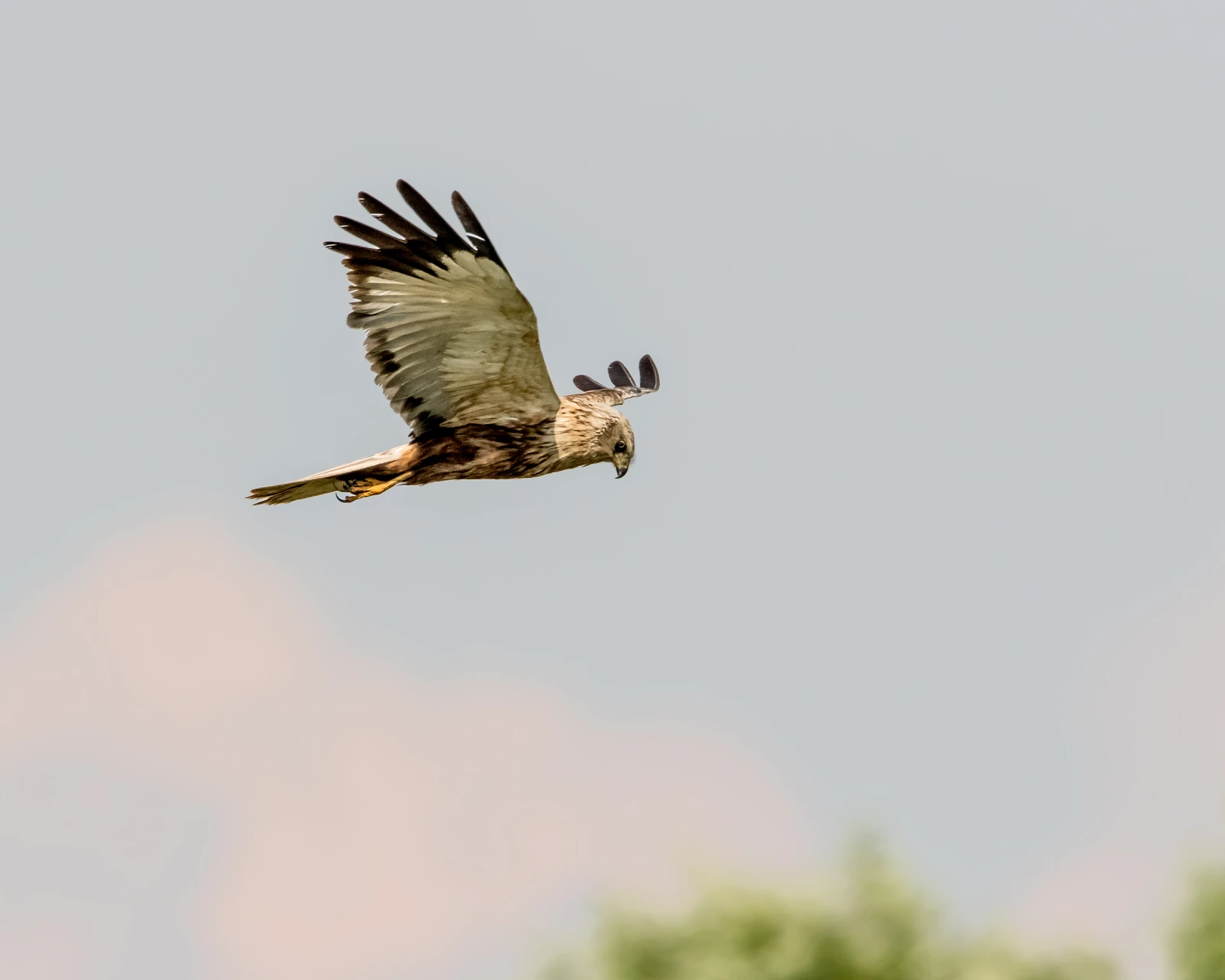
Begin with structure: broad wings, a long tail and a buoyant flight with the wings slightly raised. The RSPB describes Marsh Harrier as heavier and broader-winged than Hen Harrier, without that species’ conspicuous white rump. Female and young Marsh Harriers are mainly dark brown, often showing a pale cream head area. Adult males can show a striking combination of brown, grey and black in the wings. These are useful clues when the bird turns and changes the view.
Do not decide from one pale patch seen against bright water. Follow several wingbeats and glides, noting the body shape before studying colour. A bird turning towards you can briefly look much narrower than the same individual side-on. Write down what you actually saw: wing shape, rump pattern, broad colour areas and flight style. If the view was too brief, leaving the identification open is a better foundation for learning than attaching certainty to the nearest photograph in a field guide.
Binoculars or a spotting scope for Marsh Harriers?
Binoculars are our first choice for finding and following a moving harrier. Practise lifting them to a fixed point across the reeds before the bird appears, keeping both eyes comfortably aligned. A telescope can add detail when a bird is distant or resting, but a narrow field of view makes a close flying bird easy to lose. Begin with a low magnification and improve the view only after you have located the subject.
Shared equipment works best when somebody explains where the bird is before moving away from the eyepiece. If a scope user has the bird, ask rather than pushing in front of another visitor’s binoculars. For photographs, a wider image showing the reedbed can be more useful than an unrecognisable crop. Our priority would be a clear observation and a short note before changing settings or reviewing the camera screen while the bird continues across the view.
What weather and time of day work best?
Choose conditions you can watch in comfortably. Typically, a steady outlook, useful visibility and manageable glare matter more to a beginner than an ambitious weather theory. Check the local forecast and plan a sheltered alternative if exposed paths will be unpleasant. At the viewpoint, reassess the light: moving to another authorised window or waiting for cloud may improve the view without adding distance to the day.
A morning start is our practical preference when it leaves the rest of the day free for a second relaxed session. It is not a guarantee of harrier activity. For an afternoon visit, work backwards from the actual car-park and hide closing arrangements. Darkening skies can make a distant brown bird difficult to assess well before you need a torch. Keep time for the return walk and avoid letting a hoped-for final pass turn into a hurried departure.
Watch Marsh Harriers without disturbing them
Marsh Harriers receive special protection during breeding, and the public viewing infrastructure is the place to enjoy them. If you see repeated trips towards one area, carry on watching the wider landscape rather than trying to work out an approach. Keep exact nesting information out of public posts. An incidental close pass is a privilege to accept quietly; it does not justify walking after the bird to repeat the view.
Our suggested visit is simple: settle at one suitable official viewpoint, note the birds and their behaviour, take a break, then return if the day allows. Record the time and broad public location with your observation so that it remains useful to you later. Share sensitive details only through the reserve or county recorder’s appropriate private route. A worthwhile harrier day leaves both the birds’ routine and other visitors’ opportunity to watch intact.
Where to see marsh harriers by month
The months below come from each reserve’s local birding guide. They describe typical presence or a preferred watching season; national occurrence can be broader. Reports show past observations and cannot promise an encounter. Sensitive birds have no published watching position.
| Species | Reserve guide | Typical or preferred months |
|---|---|---|
| Marsh Harrier | RSPB Minsmere | January, February, March, April, May, June, July, August, September, October, November, December |
| Marsh Harrier | RSPB Leighton Moss | January, February, March, April, May, June, July, August, September, October, November, December |
| Marsh Harrier | WWT Arundel | November, December, January, February |
| Marsh Harrier | WWT Slimbridge | January, February, March, April, May, June, July, August, September, October, November, December |
| Marsh Harrier | WWT Martin Mere | January, February, March, April, May, June, July, August, September, October, November, December |
| Marsh Harrier | WWT Caerlaverock | April, May, June, July, August, September, October |
| Marsh Harrier | WWT Llanelli | January, February, March, April, May, June, July, August, September, October, November, December |
| Marsh Harrier | RSPB Dungeness | January, February, March, April, May, June, July, August, September, October, November, December |
| Marsh Harrier | RSPB Newport Wetlands | January, February, March, April, May, June, July, August, September, October, November, December |
| Marsh Harrier | RSPB Portmore Lough | August, September, October, November, December |
| Marsh Harrier | RSPB Loch of Strathbeg | March, April, May, June, July, August, September, October |
| Marsh Harrier | RSPB Titchwell Marsh | January, February, March, April, May, June, July, August, September, October, November, December |
| Marsh Harrier | WWT Steart Marshes | January, February, March, October, November, December |
| Marsh Harrier | RSPB Mersehead | January, February, March, April, May, June, July, August, September, October, November, December |
| Marsh Harrier | WWT Welney | January, February, March, April, May, June, July, August, September, October, November, December |
| Marsh Harrier | RSPB Otmoor | January, February, March, April, May, June, July, August, September, October, November, December |
| Marsh Harrier | RSPB Cors Ddyga | January, February, March, April, May, June, July, August, September, October, November, December |
| Marsh Harrier | RSPB Dee Estuary - Burton Mere Wetlands | January, February, March, April, May, June, July, August, September, October, November, December |
| Marsh Harrier | RSPB Blacktoft Sands | January, February, March, April, May, June, July, August, September, October, November, December |
| Marsh Harrier | RSPB Loch of Kinnordy | March, April, May, June, July, August, September |
| Marsh Harrier | RSPB Arne | September, October, November, December, January, February, March |
| Marsh Harrier | NWT Cley and Salthouse Marshes | January, February, March, April, May, June, July, August, September, October, November, December |
| Marsh Harrier | RSPB Rainham Marshes | January, February, March, April, May, June, July, August, September, October, November, December |
| Marsh Harrier | RSPB Insh Marshes | March, April, May, June, July, August, September, October |
| Marsh Harrier | RSPB Ham Wall | January, February, March, April, May, June, July, August, September, October, November, December |
| Marsh Harrier | Shapwick Heath National Nature Reserve | January, February, March, April, May, June, July, August, September, October, November, December |
| Marsh Harrier | Holkham National Nature Reserve | January, February, March, April, May, June, July, August, September, October, November, December |
| Marsh Harrier | RSPB Dearne Valley – Old Moor | January, February, March, April, May, June, July, August, September, October, November, December |
| Marsh Harrier | RSPB St Aidan's | January, February, March, April, May, June, July, August, September, October, November, December |
| Marsh Harrier | RSPB Strumpshaw Fen | January, February, March, April, May, June, July, August, September, October, November, December |
| Marsh Harrier | NWT Hickling Broad and Marshes | January, February, March, April, May, June, July, August, September, October, November, December |
| Marsh Harrier | Lakenheath Fen | January, February, March, April, May, June, July, August, September, October, November, December |
| Marsh Harrier | Ouse Washes | January, February, March, April, May, June, July, August, September, October, November, December |
| Marsh Harrier | RSPB Fen Drayton Lakes | January, February, March, April, May, June, July, August, September, October, November, December |
| Marsh Harrier | RSPB Pulborough Brooks | September, October, November, December, January, February, March |
| Marsh Harrier | Oare Marshes Nature Reserve | January, February, March, April, May, June, July, August, September, October, November, December |
| Marsh Harrier | Elmley National Nature Reserve | January, February, March, April, May, June, July, August, September, October, November, December |
| Marsh Harrier | RSPB Wallasea Island | January, February, March, April, May, June, July, August, September, October, November, December |
| Marsh Harrier | Potteric Carr | January, February, March, April, May, June, July, August, September, October, November, December |
| Marsh Harrier | RSPB Lodmoor | January, February, March, April, May, June, July, August, September, October, November, December |
| Marsh Harrier | RSPB Northward Hill | March, April, May, June, July, August, September, October |
| Marsh Harrier | Carlton Marshes Nature Reserve | January, February, March, April, May, June, July, August, September, October, November, December |
| Marsh Harrier | RSPB Dee Estuary – Parkgate | October, November, December, January, February, March |
| Marsh Harrier | RSPB Nene Washes | March, April, May, June, July, August, September, October |
| Marsh Harrier | RSPB Old Hall Marshes | January, February, March, April, May, June, July, August, September, October, November, December |
| Marsh Harrier | RSPB Greylake | November, December, January, February |
| Marsh Harrier | RSPB Medmerry | January, February, March, April, May, June, July, August, September, October, November, December |
| Marsh Harrier | Titchfield Haven National Nature Reserve | January, February, March, April, May, June, July, August, September, October, November, December |
| Marsh Harrier | Lymington–Keyhaven Marshes Nature Reserve | October, November, December, January, February, March |
| Marsh Harrier | RSPB North Warren | January, February, March, April, May, June, July, August, September, October, November, December |
| Marsh Harrier | RSPB Havergate Island | January, February, March, April, May, June, July, August, September, October, November, December |
| Marsh Harrier | Wicken Fen | January, February, March, April, May, June, July, August, September, October, November, December |
| Marsh Harrier | Lackford Lakes | March, April, May, June, July, August, September, October |
| Marsh Harrier | RSPB Langford Lowfields | March, April, May, June, July, August |
| Marsh Harrier | Whiteford National Nature Reserve | April, May, June, July, August, September, October |
Reserve guides for marsh harriers
- RSPB Minsmere · England
- RSPB Leighton Moss · England
- WWT Arundel · England
- WWT Slimbridge · England
- WWT Martin Mere · England
- WWT Caerlaverock · Scotland
- WWT Llanelli · Wales
- RSPB Dungeness · England
- RSPB Newport Wetlands · Wales
- RSPB Portmore Lough · Northern Ireland
- RSPB Loch of Strathbeg · Scotland
- RSPB Titchwell Marsh · England
- WWT Steart Marshes · England
- RSPB Mersehead · Scotland
- WWT Welney · England
- RSPB Otmoor · England
- RSPB Cors Ddyga · Wales
- RSPB Dee Estuary - Burton Mere Wetlands · England
- RSPB Blacktoft Sands · England
- RSPB Loch of Kinnordy · Scotland
- RSPB Arne · England
- NWT Cley and Salthouse Marshes · England
- RSPB Rainham Marshes · England
- RSPB Insh Marshes · Scotland
- RSPB Ham Wall · England
- Shapwick Heath National Nature Reserve · England
- Holkham National Nature Reserve · England
- RSPB Dearne Valley – Old Moor · England
- RSPB St Aidan's · England
- RSPB Strumpshaw Fen · England
- NWT Hickling Broad and Marshes · England
- Lakenheath Fen · England
- Ouse Washes · England
- RSPB Fen Drayton Lakes · England
- RSPB Pulborough Brooks · England
- Oare Marshes Nature Reserve · England
- Elmley National Nature Reserve · England
- RSPB Wallasea Island · England
- Potteric Carr · England
- RSPB Lodmoor · England
- RSPB Northward Hill · England
- Carlton Marshes Nature Reserve · England
- RSPB Dee Estuary – Parkgate · England
- RSPB Nene Washes · England
- RSPB Old Hall Marshes · England
- RSPB Greylake · England
- RSPB Medmerry · England
- Titchfield Haven National Nature Reserve · England
- Lymington–Keyhaven Marshes Nature Reserve · England
- RSPB North Warren · England
- RSPB Havergate Island · England
- Wicken Fen · England
- Lackford Lakes · England
- RSPB Langford Lowfields · England
- Whiteford National Nature Reserve · Wales
Sources and review
Reviewed 2026-10-19.