
Birding life · Practical UK birdwatching
Why common birds deserve your attention
Familiar birds give you time to compare shape, sound and behaviour. A modest local visit can become a valuable fieldcraft lesson.
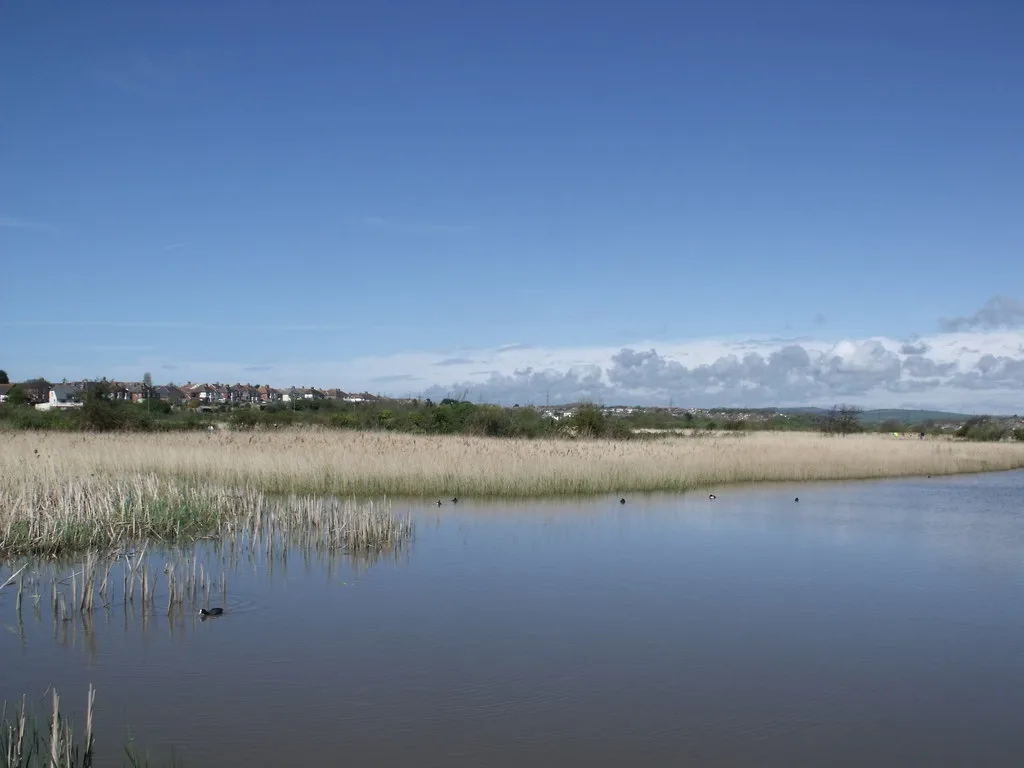
What common birds can teach a birdwatcher
Watch the birds you can find often and your field skills have room to improve. Our view is that familiar ducks, gulls and garden birds deserve a full part of any birding day. They give you opportunities to compare shape, movement, sound and behaviour without the pressure of travelling far or identifying something before it disappears.
The word common can make a bird sound unimportant. In the field it can mean something much more useful: a chance to watch again. You can return to the same pool, compare several individuals and change your first impression. A single hurried encounter may leave you with a name; repeated ordinary encounters can teach you how you reached it. That difference matters when a less familiar bird eventually appears.
Begin with shape before plumage
Choose a bird you can see clearly and describe its outline without reaching for a field guide. Look at the relative size of head and body, the length of the legs and the way the tail sits. Watch what changes when it stands upright, crouches or swims. The exercise is useful precisely because you already have a reasonable idea of its identity and can concentrate on observation.
Then compare two birds together. Ask which difference remains visible when they turn away or move into shadow. Fine colour details may disappear, while posture or proportions stay helpful. Write a few plain words before checking illustrations. You are building a way of looking that can travel from a town wetland to an unfamiliar coast, and from a close bird to a distant silhouette.
Where to practise with familiar wetland birds
RSPB Radipole Lake, Attenborough Nature Reserve and WWT London Wetland Centre are useful places to investigate if you want an approachable wetland setting. Choose the public view that lets you sit or stand comfortably, then stay with one group of birds. Keep the route short enough that the watching remains enjoyable. A beginner rarely needs the most remote corner of a reserve to learn something valuable.
RSPB Conwy, RSPB Lochwinnoch, RSPB Leighton Moss, RSPB Belfast Window on Wildlife and RSPB Minsmere give further regional choices. Open the reserve guide to compare the journey, viewing and access arrangements. Our recommendation is to favour the place you can revisit rather than travel specifically for a long checklist. The birds present on the day supply the lesson, whether or not they include a species you hoped for.
Learn behaviour as well as names
Pick one individual and watch what it actually does. Follow a short sequence: feeding, moving, pausing or interacting with another bird. Notice what prompts a change. Write the action rather than assigning a motive you cannot know. A bird looking up, moving away and settling elsewhere is a clear observation; a confident story about its intentions needs more evidence.
Group watching adds another layer. Scan the whole flock, then select a smaller section for comparison. Notice how spacing changes and whether different birds use different parts of the water or bank. Give yourself permission to finish with a question. Learning that you cannot yet separate two similar birds is useful when you can also explain what you need to observe more clearly next time.
Listening starts with sounds you hear often
A familiar local walk can become a place to practise separating sounds. First decide where a call comes from and whether it repeats, changes or overlaps another sound. When you can see the calling bird, connect its movements with what you hear. Keep a short written description in your own words; it can be easier to remember than an elaborate transcription copied from a book.
Do not play recordings to make birds respond. Listening is valuable because it helps you attend to what is already happening. If the sound remains unidentified, record the setting and your uncertainty. An honest unresolved note gives you something to investigate later. It also prevents the habit of converting a plausible guess into a certainty simply because a species is familiar from a guide.
An ordinary birding day is worth recording
At the end of the walk, choose one observation you could explain to someone else. Perhaps you compared two postures, followed a feeding sequence or connected a call with a visible bird. Write it beside the species name. Over time, these entries show a kind of progress that a tally alone misses: birds becoming less like labels and more like living parts of a place.
Enjoy the occasional unusual bird when it appears, while keeping space for the common ones around it. Resist pressure to move closer for an impressive photograph or announce an uncertain identification with confidence. The reserve remains worthwhile after the headline report has gone quiet. Our advice is to leave with a clearer observation, a better question and a reason to return, even if every bird on your list was already familiar.
Reserve guides for this visit
Sources and review
- Confirmed: RSPB Radipole Lake — operator visitor guidance
- Confirmed: RSPB Conwy — operator visitor guidance
- Confirmed: RSPB Leighton Moss — operator visitor guidance
- Confirmed: RSPB Lochwinnoch — operator visitor guidance
- Confirmed: Attenborough Nature Reserve — operator visitor guidance
- Confirmed: WWT London Wetland Centre — operator visitor guidance
- Confirmed: RSPB Belfast Window on Wildlife — operator visitor guidance
- Confirmed: RSPB Minsmere — operator visitor guidance