
Birding life · Practical UK birdwatching
The joy of going back to a bird reserve
A familiar reserve gives you more time to notice, compare and understand. Choose a manageable route and let small observations accumulate.
Why visit the same bird reserve again?
Choose one reserve you can reach easily and visit it through the year. Our view is that familiar ground teaches birdwatching more effectively than a succession of rushed first visits. Once you know the path and the shape of a pool, you have more attention available for birds, weather and the small differences that make an ordinary morning worth remembering.
The first visit often contains practical distractions. You are finding the entrance, learning which path returns to the centre and wondering how much farther the next hide lies. Going back removes some of that effort. A familiar turn in the path becomes a place to pause, and a known viewpoint lets you begin watching immediately. You do not need to manufacture a new destination to earn another enjoyable day outdoors.
Choose a reserve that fits an ordinary week
Pick somewhere close enough that a modest visit feels worthwhile. RSPB Radipole Lake and WWT London Wetland Centre offer options for people based near those urban wetlands; RSPB Lochwinnoch and RSPB Conwy are useful starting points for comparing rail approaches. The right choice is the one whose journey, walking and facilities fit your actual routine. An impressive distant reserve rarely becomes familiar if every visit needs a major expedition.
RSPB Leighton Moss, RSPB Minsmere, Teifi Marshes Nature Reserve and RSPB Belfast Window on Wildlife illustrate how different a regular patch can look. You might choose a large reedbed, a varied coastal reserve or a compact wetland. Read the individual guide for access and transport, then select a route you can repeat comfortably. Familiarity grows from having enough time to look, not from completing the longest possible circuit.
Watch one view change through the year
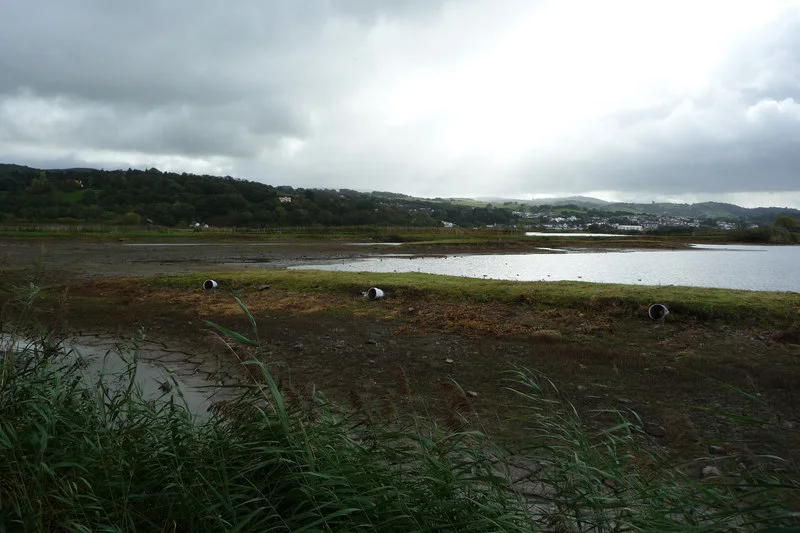
Choose a public viewpoint with a recognisable feature: a pool edge, a stand of reeds or a line of trees. On each visit, look at the whole scene before searching for particular birds. Notice the water level, the extent of exposed mud, the direction of light and the parts sheltered from wind. These are observations you can make for yourself, without needing to identify a single unfamiliar call.
Then add the birds. Record which areas they use, whether they are feeding or resting and how they move between cover and open ground. A spring morning will typically feel different from a winter afternoon, but the comparison becomes more interesting when it is yours. You begin to ask better questions: has the viewpoint changed, have the birds changed, or are you simply watching at a different time?
Keep notes small enough to continue
Use a notebook format that takes only a few minutes after the visit. Write the date, approximate time, weather and route, followed by three things you noticed. Add one uncertainty and one question for next time. A description of behaviour may be more helpful than a list crowded with names you cannot defend. Small notes accumulate into a personal understanding of the reserve without becoming another demanding project.
Read the previous entry before returning, then leave space for the day to surprise you. If you intended to compare ducks but spend a happy half-hour listening beside scrub, record that instead. The point is to strengthen attention, not enforce an assignment. A simple sketch of where birds stood can explain a view better than a hurried photograph, particularly when distance or light makes identification difficult.
A repeat visit needs fresh attention
Familiarity can also become a habit of walking past things. Change one element occasionally: spend longer at the first viewpoint, take the shorter authorised route or visit at another suitable time of day. Ask a volunteer what ordinary feature is worth understanding that month. Avoid turning each return into a search for whatever has appeared on a recent report; the reserve has more to offer than a list of targets.
Use a familiar common bird as a benchmark. Watch how it feeds, how it reacts to nearby birds and how its shape changes with posture. Return to your notes later and see whether you described an observation or merely wrote an identification. This is where a known place becomes a useful classroom: the surroundings stay understandable while your questions gradually become more precise.
Let the reserve set the pace
Keep to the paths and accept temporary restrictions as part of visiting a living place. Never use familiarity as permission to approach a nest, enter a closed section or publish sensitive directions. A regular visitor can help others by sharing considerate viewing space and encouraging quiet observation. The pleasure of knowing a reserve includes seeing how to enjoy it without asking the wildlife to accommodate you.
After several visits, try a different reserve and take the same habits with you. You may recognise a habitat boundary or spot a change in flock behaviour that once escaped you. Then return to your local place. Our recommendation is to let the occasional expedition and the ordinary repeat visit support one another: one widens your experience, while the other gives it depth. Neither needs a remarkable sighting to have been time well spent.
Reserve guides for this visit
Sources and review
- Confirmed: RSPB Leighton Moss — operator visitor guidance
- Confirmed: RSPB Conwy — operator visitor guidance
- Confirmed: RSPB Minsmere — operator visitor guidance
- Confirmed: RSPB Radipole Lake — operator visitor guidance
- Confirmed: RSPB Lochwinnoch — operator visitor guidance
- Confirmed: WWT London Wetland Centre — operator visitor guidance
- Confirmed: RSPB Belfast Window on Wildlife — operator visitor guidance
- Confirmed: Teifi Marshes Nature Reserve — operator visitor guidance